You know, in recent years, there's been a real rise in how many people are searching for efficient ways to get their energy fix, especially when it comes to Grid Tied Inverters. Experts keep stressing how crucial these devices are if you want to make the most out of your solar energy. I remember John Anderson, this big name in renewable energy, once said, "A Grid Tied Inverter doesn’t just boost your system’s performance—it also helps push us toward greener living." That's pretty much the gist of it.
Now, here's where things get tricky for most folks—choosing the right Grid Tied Inverter. With so many options out there, it can honestly feel a bit overwhelming. People tend to get stuck trying to figure out what really matters—efficiency, reliability, whether it plays nice with their existing setup. A mistake I see quite often? Forgetting to check out the warranty details. And don’t forget, installation costs can add up quickly too.
Figuring all this out isn’t exactly a walk in the park, but being informed really pays off. Picking the right inverter can seriously boost your energy savings and make everything run more smoothly. The key is to seriously think about your own needs—what’s practical for your space, your budget, and even local rules or regs. Because, let’s be honest, not every product is perfect for every situation—and that’s totally normal.
Overview of Grid Tied Inverters: Definition and Functionality
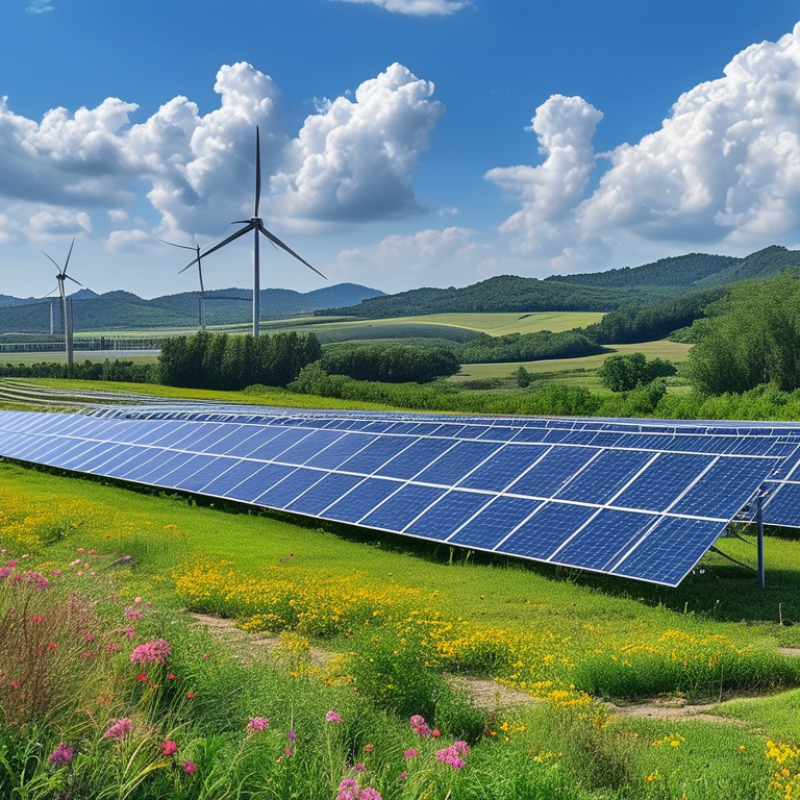
Grid-tied inverters are essential for solar energy systems. They convert direct current (DC) from solar panels into alternating current (AC) for home use. This process enables homeowners to utilize solar energy and reduce reliance on traditional power sources. When excess energy is produced, it can be sent back to the grid, often resulting in credits on electricity bills.
The functionality of these inverters goes beyond mere conversion. They help stabilize voltage and frequency while ensuring safety standards are met. Monitoring systems often accompany grid-tied inverters, providing real-time data on energy production and consumption. However, one must consider that these inverters only operate when the grid is online. In case of a blackout, the system shuts down to prevent hazards.
Choosing the right inverter involves evaluating several factors. Users should consider efficiency ratings, installation requirements, and warranty options. While some products excel in one area, they may lag in another. It can feel overwhelming to determine the best fit. Learning from others’ experiences in solar installation may provide valuable insights.
Key Factors to Consider When Choosing a Grid Tied Inverter
Choosing a grid-tied inverter requires careful consideration of various factors. Efficiency is crucial, as it affects overall energy production. Look for inverters that convert a high percentage of DC to AC power. A rating above 90% is often ideal. Also, pay attention to the inverter's voltage range. It should be compatible with your solar panel setup.
Durability matters too. An inverter can last for over a decade, so seek models with proven reliability. Extreme weather can take a toll on equipment. Selecting weather-resistant options can guard against rust and corrosion. Additional features, such as monitoring capabilities, enhance convenience. Real-time data helps users track performance.
Consider that installation can vary in complexity. Some systems may require professional help, adding to costs. DIY options exist, but they can pose risks for those unfamiliar with electrical work. Reflecting on these aspects can guide you toward a suitable choice. An off-grid inverter might also be beneficial for specific applications, like remote locations. Balancing your energy needs with these considerations is essential for long-term satisfaction.
Top Grid Tied Inverter Brands and Models for 2026
As we look ahead to 2026, the demand for grid-tied inverters continues to grow globally. Industry reports indicate that the global inverter market is expected to witness a compound annual growth rate (CAGR) of 10.4% by 2026. This surge is driven by the increasing investments in renewable energy projects and the shift towards sustainable power solutions.
Inverter technologies are evolving rapidly. The best models now offer features like smart grid compatibility and enhanced efficiency. Some advanced models can reach efficiencies of over 98%. Buyers should consider both performance and warranty options when selecting inverters. The reliability of an inverter is crucial in ensuring a stable energy supply. Many reports suggest that a reliable inverter can boost returns on investment significantly over time.
Tips for choosing an inverter include evaluating the system's voltage rating and compatibility with your current setup. Look for models that offer remote monitoring capabilities. This feature allows for ongoing performance tracking and troubleshooting. Lastly, ensure that customer support and service are readily available. A responsive support team can help you optimize your solar energy system's performance.
Comparison of Efficiency Ratings Among Leading Inverter Options
In recent years, the solar inverter market has expanded significantly. The efficiency ratings of inverters are crucial for potential buyers. Many today are considering On Grid Solar Inverter solutions for their energy needs. Efficiency directly impacts energy production and overall system performance.
According to the California Energy Commission, the average efficiency of leading inverters is around 95-98%. However, not all inverters perform equally under different conditions. Factors like temperature, shading, and installation quality can affect efficiency ratings. Reports show that some units may underperform in real-world scenarios, leading to unexpected energy losses.
A study from the National Renewable Energy Laboratory (NREL) indicates that even a 1% drop in efficiency can result in hundreds of dollars lost over the inverter's lifespan. Buyers should consider these data points and conduct thorough research. Reviews and user experiences can provide insights into how specific models perform. Not all inverters maintain their peak performance consistently. Such reflections are essential for making informed decisions in the evolving solar energy market.
2026 Best Grid Tied Inverter Options for Global Buyers
| Inverter Type |
Efficiency (%) |
Power Rating (kW) |
Warranty (years) |
Features |
| String Inverter |
98.5% |
5 |
10 |
Wi-Fi monitoring, Integrated DC disconnect |
| Micro Inverter |
97.5% |
1.2 |
25 |
Module-level monitoring, Shade management |
| Power Optimizer |
98% |
3.5 |
20 |
Enhanced safety, Performance tracking |
| Hybrid Inverter |
97% |
6 |
10 |
Battery integration, Off-grid capabilities |
Installation Requirements and Guidelines for Grid Tied Inverters
When considering grid-tied inverters, installation requirements are paramount. Selecting the right inverter ensures efficient solar energy conversion and compliance with local regulations. According to the International Renewable Energy Agency, grid-tied systems contribute to over 90% of solar installations worldwide. Proper installation increases energy yield and system longevity.
Professional assessments should evaluate roof structure and shading. Solar panels need ample sunlight for optimal performance. Additionally, local electrical codes significantly influence the installation process. Engaging a certified electrician for connections enhances safety and compliance. Missteps in this phase can lead to unreliable energy output.
Tips for a successful installation include checking the inverter's compatibility with existing electrical systems. Understanding the inverter's specifications helps avoid future operational issues. Regular maintenance checks are crucial. Lack of routine inspections may lead to reduced efficiency. It's essential to reflect on the overall installation process, as even minor mistakes can have long-term consequences. Focusing on detail-oriented installation can foster reliability and peace of mind.
Future Trends in Grid Tied Inverter Technology for Global Markets
The future of grid-tied inverter technology is evolving rapidly, with advancements designed to enhance efficiency and integration. Innovations are focusing on energy management, improving grid stability, and maximizing solar energy utilization. As global markets grow, there is a demand for smarter, more efficient systems. This transition can lead to complex challenges in compatibility and performance that need addressing.
In addition, improvements in battery storage capabilities are transforming how grid-tied inverters interface with renewable energy sources. Power fluctuations can create inconsistencies, affecting overall energy output. Incorporating systems like the Deye Off Grid Inverter can provide solutions for balancing excess generation, especially during peak sunlight hours. Users are encouraged to reflect on their unique energy needs when choosing an inverter.
Market trends indicate a shift toward user-friendly technology and better communication between devices. The rise of digitalization in solar energy means that inverters will soon include advanced data analytics. This progression allows for real-time monitoring and enhanced operational insights, but it requires consumers to adapt to new tools. Adopting such technology is not without its hurdles, as maintaining reliability and performance remains critical.
2026 Best Grid Tied Inverter Options for Global Buyers
Common Challenges and Solutions for Grid Tied Inverter Users
Grid tied inverters are essential for maximizing solar energy utilization. However, users often face various challenges. One common issue is inverter overheating, especially in hot climates. This can lead to reduced efficiency and shutdowns. Regular maintenance and monitoring can help mitigate this problem.
Another challenge is the complexity of connection to the grid. Users may struggle with understanding local regulations and installation procedures. It's vital to stay informed about local standards when setting up an inverter. Enlisting a professional can save time and ensure compliance.
Solis Off Grid Inverter can help users address some of these problems. This option allows for flexible energy storage solutions, especially during peak usage times. Another aspect to consider is system updates. Regular software updates can enhance functionality and performance. Users should keep track of these updates to ensure optimal operation.
Investing time in training on proper use and maintenance is beneficial. Understanding how to monitor energy production can further enhance system efficiency. Users sometimes overlook simple checks, like ensuring connections are secure. These small actions can lead to improved reliability and performance.
FAQS
: Efficiency impacts overall energy production. Aim for models with over 90% DC to AC conversion.
Many inverters can last over a decade. Choose reliable models for longevity.
Temperature, shading, and installation quality all play a role. Some may underperform unexpectedly.
Yes, weather-resistant features prevent rust and corrosion. Extreme weather can damage equipment.
DIY options are available but risky. Professional installation might be safer and prevent mistakes.
They provide data on performance. Users can track energy production effectively.
An off-grid inverter may be a better option. It suits specific energy needs away from the grid.
Absolutely, they provide insights on real-world performance. Reviews can highlight potential issues.
Even a 1% drop can cost hundreds over time. Efficiency matters for long-term savings.
Yes, not all maintain peak performance. Reflect on data points before making a decision.
Conclusion
In the evolving landscape of renewable energy, the grid tied inverter plays a crucial role by converting direct current (DC) from solar panels into alternating current (AC) compatible with the electrical grid. This article provides an overview of grid tied inverters, including their definition and functionality, which allows for efficient energy use and storage in residential and commercial applications.
When selecting a grid tied inverter, key factors such as efficiency ratings, installation requirements, and compatibility with existing systems must be considered. The article also discusses future trends in grid tied inverter technology, emphasizing advancements that are expected to enhance performance and reliability. Additionally, common challenges faced by users, such as system integration and maintenance, are addressed alongside effective solutions, ensuring a comprehensive understanding for global buyers navigating their options in 2026.

 HZEB-LCT-5
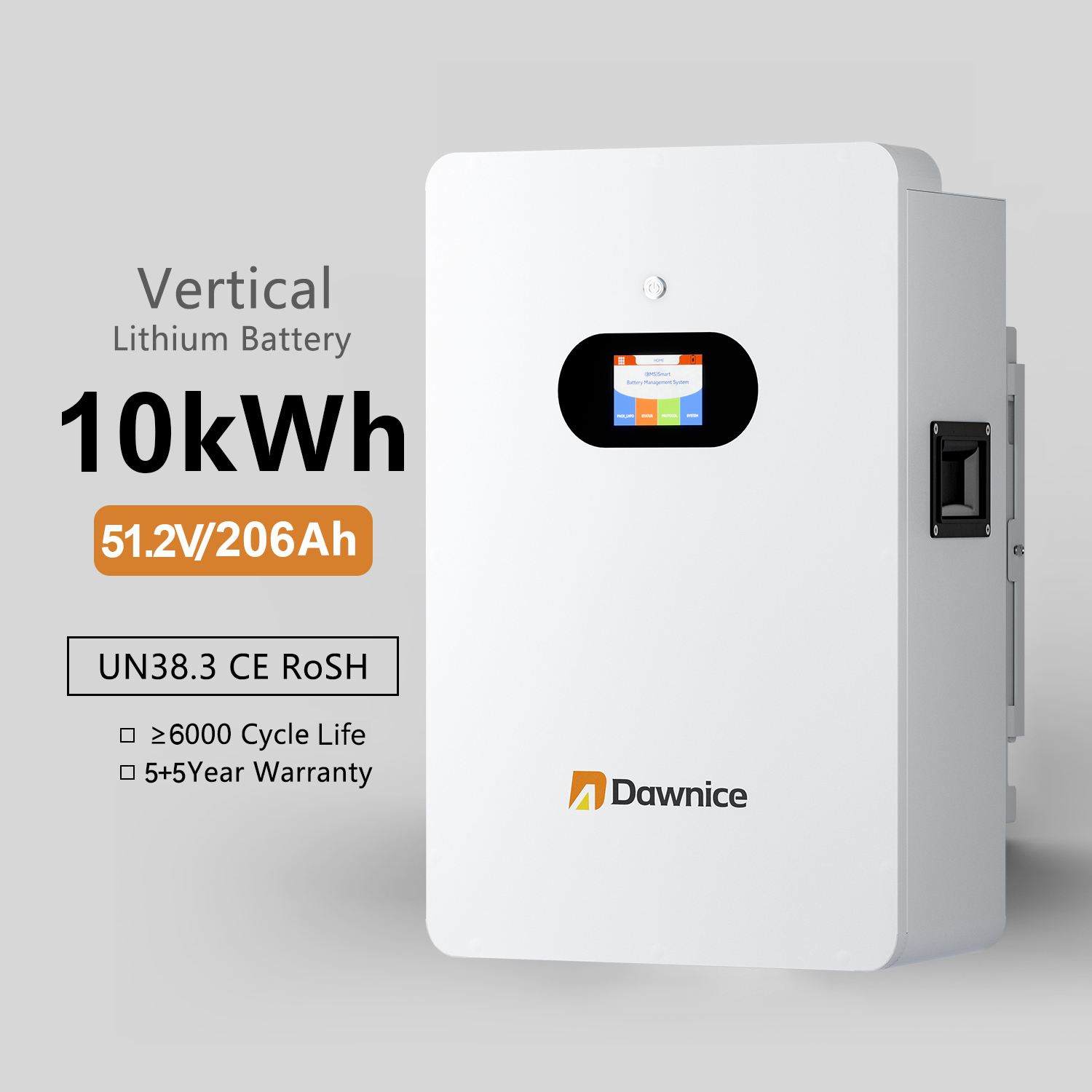 HZEB-LCT-10
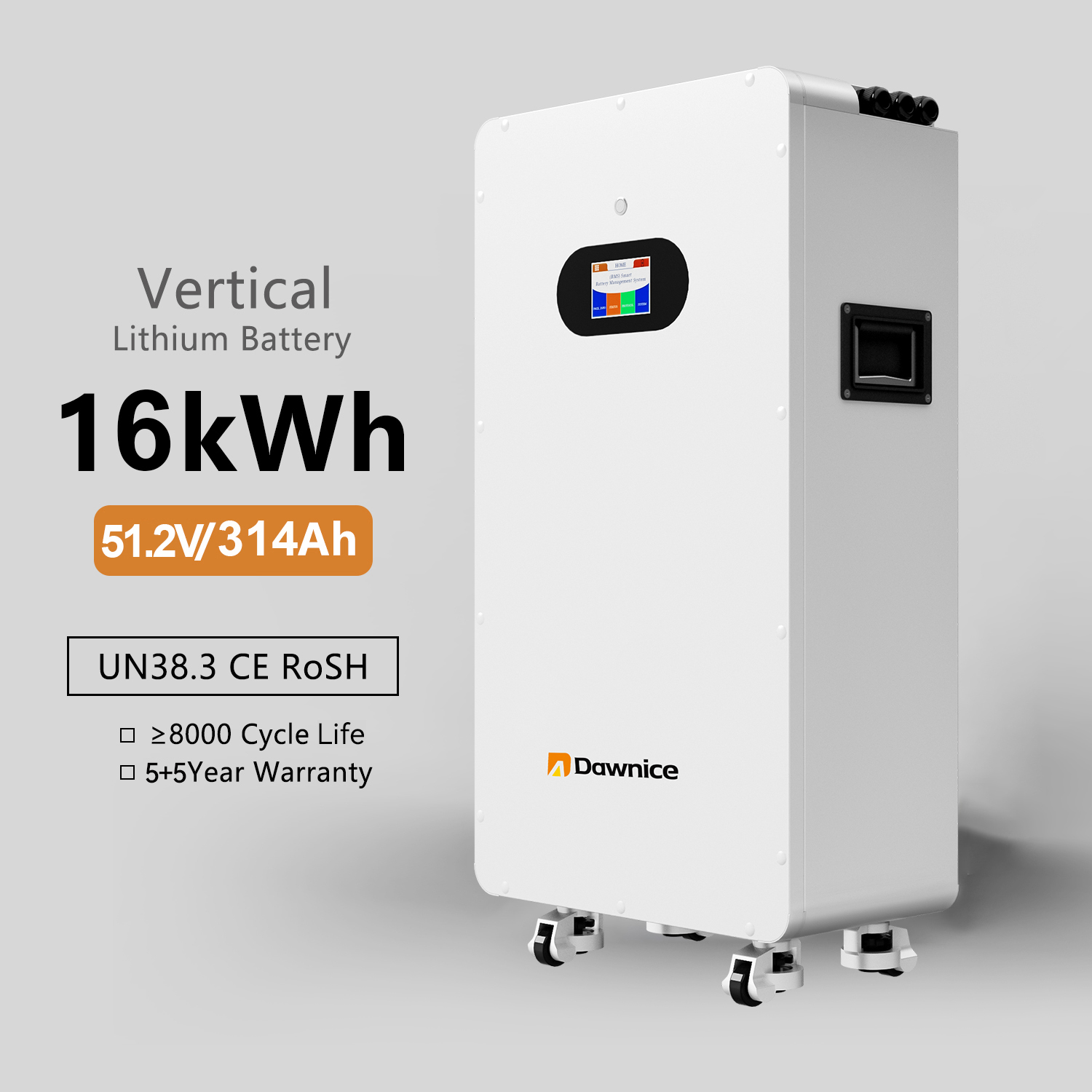 HZEB-LCT-16
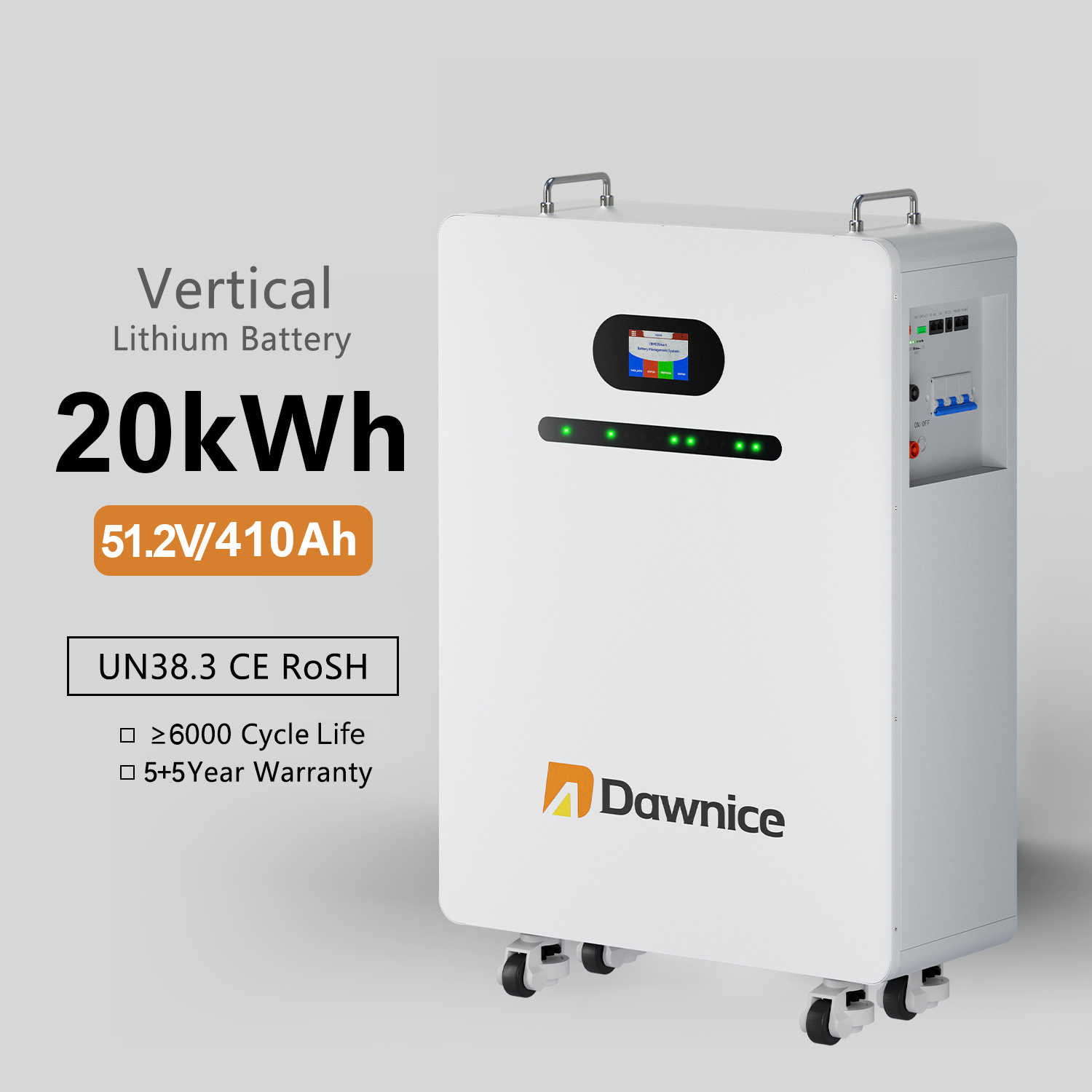 HZEB-LCT-20
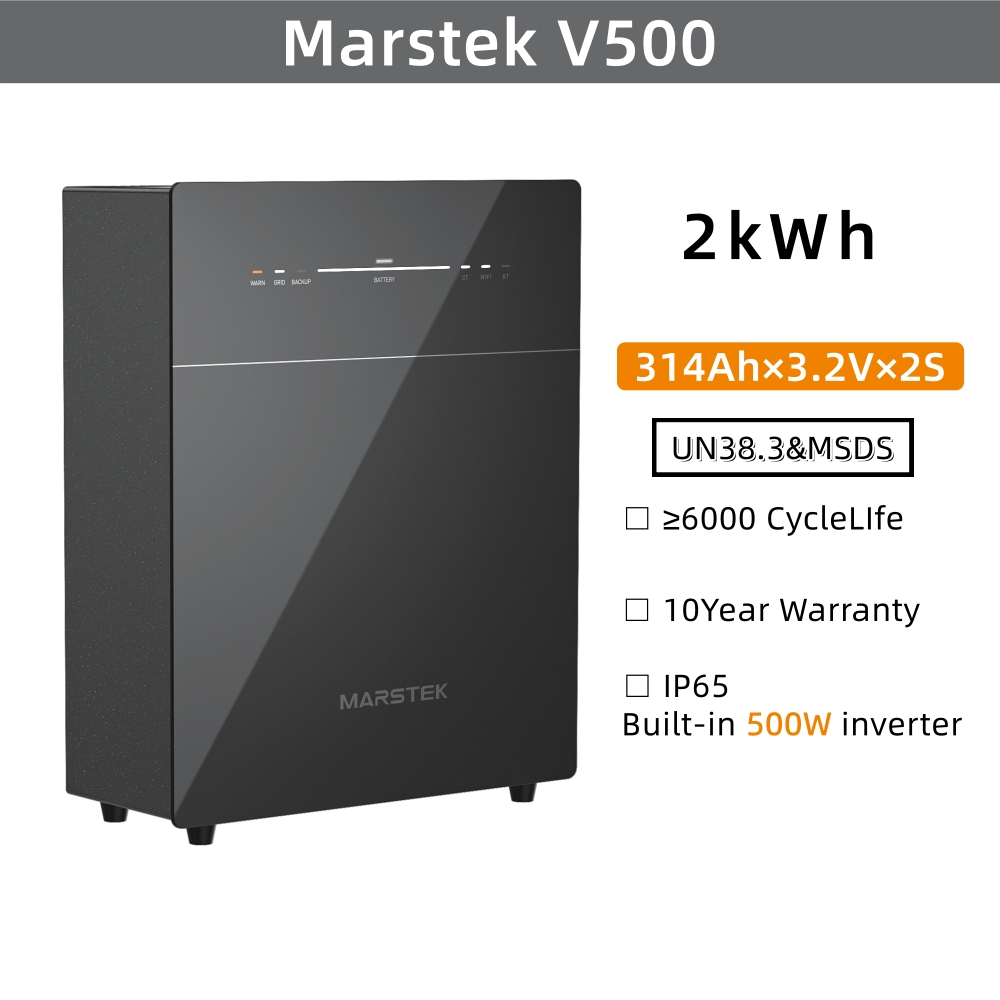 Msrstek V500
 SixUltra BS06-SSeries
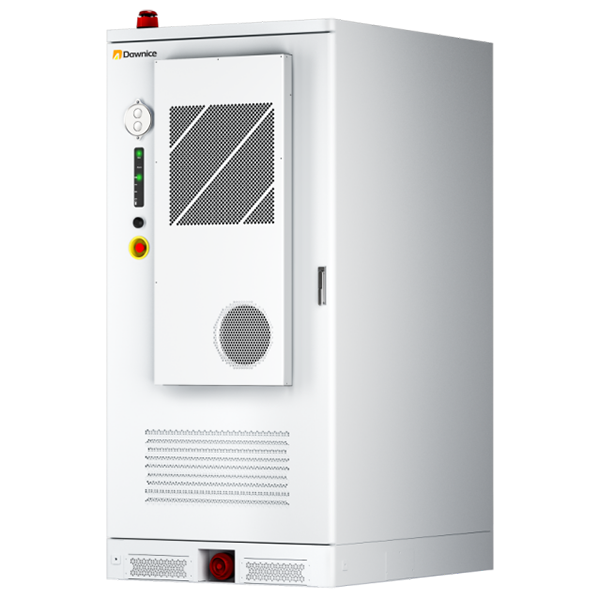 HZEB-HCT-125/522
 PrimeSun-265K
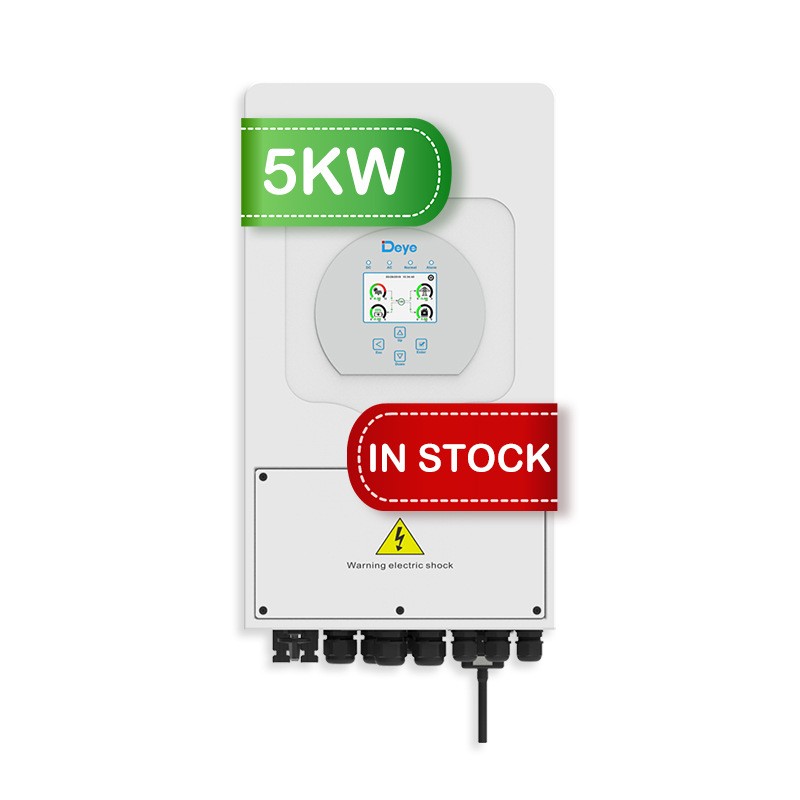 5kW Solar Inverter
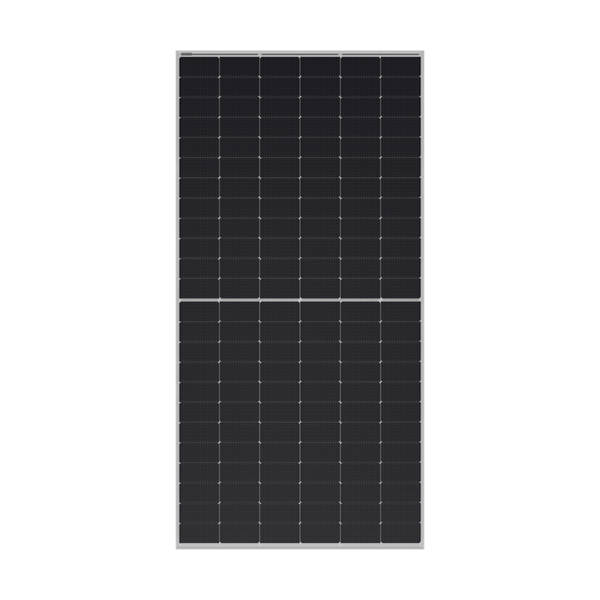 MEiKE 615W