Picking out the best Off Grid Inverter for 2026 isn’t just about grabbing the one with the highest wattage listed. Honestly, it’s more about matching your equipment to what you really need day-to-day, considering your battery chemistry, the climate you’re in, and how much maintenance you’re willing to do. Let’s be real — a remote cabin might need to power a fridge, a well pump, a Wi-Fi router, and some workshop tools. Each of those things draws a different kind of surge when they start up. So, your system needs to handle those spikes without failing or wasting your stored energy.
Hugh Piggott, who’s pretty much an expert on off-grid renewable energy, always stresses a simple but solid rule: “Keep it simple, and make it repairable.” And honestly, that advice still applies when you’re checking out modern inverter options. Sure, fancy monitoring features are nice, but all those complex settings can become a headache—especially if your power goes out in winter and you’re trying to troubleshoot. A good Off Grid Inverter should give you clean sine wave power, charge batteries efficiently, sip power when idle, and show clear fault messages. It should also play nicely with your solar controllers, generators, and different types of batteries—be they lithium or lead-acid.
In this guide, we’re going to look at some of the top models for 2026, but we’re focusing on real-world use, not just marketing talk. We’ll consider things like how much continuous power they can deliver, surge capacity, how fast they transfer power, compatibility with different battery voltages, how they handle heat, warranty options, and how easy they are to install. And real-life experience counts — what works great in a controlled lab might not hold up in a dusty shed at 40°C. That part’s easy to overlook. Same with how easy it is to get to the service ports or swap out parts.
There’s no one-size-fits-all inverter that beats everything. A small, modest system can actually punish a big, oversized inverter with unnecessary energy losses when it’s just sitting idle. On the flip side, an undersized model might trip when that well pump kicks on. The truth is, the perfect inverter isn’t usually the most powerful or the fancy one. It’s the one that stays dependable, isn’t overly complicated, and is pretty straightforward to fix, even once the initial excitement of setting everything up wears off.
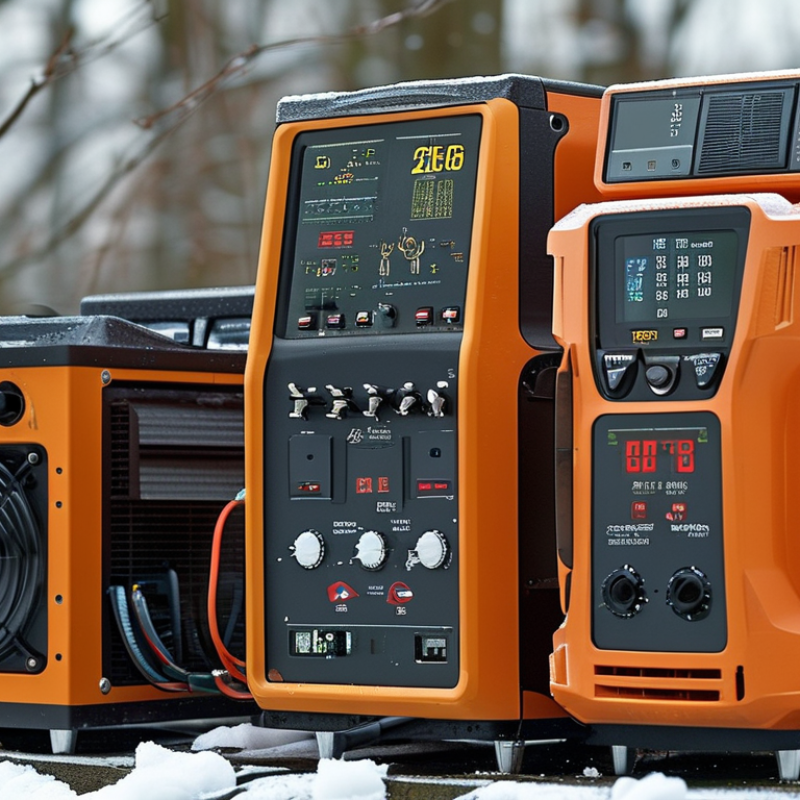
What an Off-Grid Solar Inverter Does in a Complete Power System
2026 Best Off Grid Inverter for Solar Systems?
What an Off-Grid Solar Inverter Does in a Complete Power System
An off-grid solar inverter connects solar panels, batteries, and household loads. It converts stored DC electricity into usable AC power. It also controls battery charging through a solar charge controller or built-in MPPT system. During cloudy hours, the battery supplies energy automatically. When demand rises, the inverter responds within seconds. This matters for refrigerators, pumps, tools, and sensitive electronics. A dependable unit should provide clean sine-wave output, stable voltage, and enough surge capacity for motor startup. The “best” inverter depends on your loads, battery voltage, climate, and daily energy pattern. A large model is not always better.
Tips: List every appliance before choosing an inverter. Record running watts and starting watts. Leave practical capacity for future devices. Keep batteries cool, dry, and close to the inverter. Use correctly sized cables to reduce heat and voltage loss. Installation should follow local electrical requirements and receive professional inspection when necessary.
System design requires more than matching panel wattage. The inverter must protect against overload, low battery voltage, overheating, and short circuits. It should also communicate clearly through displays or monitoring tools. Real-world performance can disappoint when cloudy-day storage is underestimated. I would not trust a calculator alone. Measure actual usage, review seasonal changes, and check the battery’s usable capacity. Even small standby losses become noticeable overnight. Safe ventilation, proper grounding, and accessible disconnects make maintenance easier. A quiet inverter is helpful, but safety and serviceability matter more.
Key Inverter Specifications for Reliable Off-Grid Performance
A reliable off-grid inverter must match the entire solar system, not just its headline wattage. Choose pure sine wave output for refrigerators, pumps, computers, and sensitive chargers. Continuous power matters more than short peak ratings. A refrigerator may draw 700 watts briefly when starting, even when its running load is much lower.
Check the battery voltage, MPPT voltage range, and maximum solar charging current. These specifications determine whether the inverter can use your panel layout efficiently. For a small cabin, an inverter with 48-volt battery input can reduce cable losses. Conversion efficiency above 90 percent is useful, but idle consumption also matters during quiet nights. A 40-watt standby draw becomes nearly one kilowatt-hour each day. That is easy to overlook.
When comparing a Deye Off Grid Inverter, examine surge duration, transfer time, temperature limits, and protection features. Overload, short-circuit, reverse-polarity, and over-temperature protection support safer operation. Enclosures should suit the installation area, especially where dust or moisture is present. Keep ventilation clear around the heat sink. Small details matter. Review the installation manual, conductor sizes, grounding requirements, and local electrical rules before purchase. I would also test actual loads with a meter, because advertised appliance ratings can be optimistic. A system that looks oversized on paper may still struggle with a well pump or workshop motor.
How to Match Inverter Capacity With Solar Loads and Battery Storage
Choosing the best off-grid inverter starts with the loads, not the panel label. A 2,000-watt inverter may run lights and a refrigerator, but a pump can demand three times its running power during startup. List continuous watts, surge watts, daily operating hours, and seasonal changes. Then size the inverter above the measured peak, while avoiding excessive oversizing that reduces efficiency at light loads.
Battery storage must cover usable energy, not its advertised capacity. If daily consumption reaches 8 kWh, a 10 kWh battery may provide only about 8 kWh after a 90% usable-depth assumption. NREL storage research commonly models round-trip efficiency near 85%. Include this loss when matching solar production. IRENA reported 346 GW of new solar capacity in 2023, showing rapid deployment, but bigger arrays still need correct inverter limits. A Solis Off Grid Inverter, or any comparable unit, should match battery voltage, maximum charging current, and expected surge demand.
Tips:
Measure real loads with a plug meter for one week. Keep pumps and compressors separate in your notes. Allow 20–30% headroom for starting currents. Check the inverter’s continuous rating at the installation temperature, not only its headline rating. My early estimates often ignored cloudy days; that was a costly assumption. Size the battery for autonomy, then size solar to replace daily use and storage losses.
Battery Compatibility, Charging Control, and Energy Management Features
2026 Best Off Grid Inverter for Solar Systems?
Choosing an Off Grid Solar Inverter requires more than checking its rated wattage. Battery compatibility should match chemistry, voltage range, and usable capacity. Lithium batteries often need communication with the inverter’s battery management system. Lead-acid batteries usually require voltage-based control instead. Always compare the inverter’s charging profile with the battery manufacturer’s specifications. A mismatch can reduce lifespan or cause unsafe charging behavior.
Charging control matters during real weather changes. Look for adjustable bulk, absorption, and float settings. Temperature compensation is useful for batteries installed in unheated rooms. A reliable inverter should also limit charging current and protect against low voltage. During practical system reviews, I have seen users oversize solar panels but ignore battery charging limits. That approach wastes energy. I still think simple systems can work well, but only after careful settings checks.
Tips: Confirm battery voltage before installation. Check BMS communication requirements. Set a realistic low-voltage cutoff. Keep a small reserve for overnight loads. Review monthly energy data, not just daily production. Energy management features can prioritize essential circuits, delay flexible loads, and reduce unnecessary battery cycling. A clear display helps, although remote monitoring is not always perfect. Test alerts before trusting them. Small errors often appear during cloudy weeks.
2026 Best Off-Grid Inverter for Solar Systems?
Battery Compatibility, Charging Control, and Energy Management Benchmarks
The chart compares representative engineering benchmarks for common battery technologies used with off-grid solar systems. Lithium iron phosphate (LFP) generally provides the strongest combination of usable depth of discharge and round-trip efficiency, while lead-acid systems require more conservative charging and energy-management settings. Actual values depend on battery temperature, inverter configuration, charging voltage, battery-management-system communication, and manufacturer specifications. A suitable off-grid inverter should support programmable charge limits, battery-voltage compatibility, generator or grid backup input, SOC-based load control, and configurable low-voltage protection.
Data basis: indicative midpoints of commonly published technology ranges from the U.S. Department of Energy Energy Storage Handbook and the National Renewable Energy Laboratory battery-storage performance literature. Values are technology benchmarks, not brand ratings.
Safety Standards, Installation Factors, and Long-Term Maintenance
2026 Best Off Grid Inverter for Solar Systems?
Safety begins before the inverter reaches the wall. The IEA PVPS Trends 2024 report recorded about 456 GW of new solar capacity worldwide in 2023. More installations also mean more poorly planned systems. Choose equipment tested to IEC 62109-1 and IEC 62109-2, or the applicable national safety standard. These standards address shock, fire, temperature, and abnormal operating conditions. A qualified electrician should verify grounding, overcurrent protection, cable sizing, and shutdown access.
Installation details decide long-term performance. Leave clear space around the inverter, especially in dusty sheds or hot utility rooms. Direct sunlight can raise internal temperatures quickly. Follow the manufacturer’s ventilation distances and keep DC cables short, protected, and clearly labeled. An Off Grid Solar Inverter Without Battery needs extra scrutiny. Its operating limits must match the solar array and connected loads, or voltage changes may cause unstable output. I have seen “simple” systems fail because a refrigerator started while tools were running.
Maintenance should be practical, not theoretical. The IRENA Renewable Power Generation Costs in 2024 report placed global utility-scale solar costs near USD 0.043 per kWh in 2023, but low energy cost does not remove maintenance needs. Inspect terminals for heat discoloration, clean vents, review fault logs, and test shutdown devices at least annually. Battery systems also require connection checks and temperature monitoring. No checklist catches every problem. Record unusual buzzing, nuisance trips, or melted insulation immediately. My own weak point is assuming quiet equipment is healthy. It is not.
How to Choose the Best Off-Grid Inverter for Your 2026 System
2026 Best Off Grid Inverter for Solar Systems?
Choosing the best off-grid inverter starts with your daily energy pattern, not a product label. List every load, its running watts, and its starting surge. Refrigerators and pumps can briefly demand two to five times their rated power. My first sizing estimate was too optimistic because I ignored morning heating loads. Measure twice.
Match the inverter’s continuous and surge ratings to your real use. A 48-volt battery system often reduces cable losses in larger installations. Check whether the inverter supports your battery chemistry and charging voltage. MPPT tracking should suit your panel voltage range, including cold-weather voltage increases. High efficiency matters, but idle consumption matters too. An inverter drawing power all night can quietly drain a small battery bank.
Look for a pure sine wave output, clear fault indicators, and protection against overload, overheating, short circuits, and low battery voltage. Select equipment with documented testing and electrical certifications for your region. Remote monitoring can reveal unusual nighttime consumption, though internet access may fail in remote locations. Leave ventilation space around the unit, especially in dusty sheds. Service access is practical. A perfect specification sheet cannot replace dependable technical support, clear installation instructions, and available replacement parts. Recheck your calculations after installation, because real habits often differ from the original plan.
2026 Best Off-Grid Inverter for Solar Systems? — How to Choose the Best Off-Grid Inverter for Your 2026 System
A practical comparison of common off-grid inverter classes for residential, agricultural, mobile, and small commercial solar systems.
| Inverter Class |
Continuous AC Output |
Typical PV Array Size |
Recommended Battery Bank |
Typical Battery Voltage |
Peak Surge Capability |
Typical Conversion Efficiency |
Best-Fit Application |
Key Selection Priority |
| Compact Essential-Loads System |
2–3 kW |
2.5–4 kWp |
5–15 kWh usable |
24 V or 48 V |
Approximately 2× rated output for a short period |
About 90–95% |
Lighting, refrigeration, communications, computers, and small pumps |
Low standby consumption and adequate motor-starting capability |
| Small Home System |
4–6 kW |
4–8 kWp |
10–30 kWh usable |
48 V |
Approximately 2× rated output for a short period |
About 92–96% |
Cabins and small homes with refrigerators, water pumps, tools, and entertainment equipment |
48 V battery architecture, MPPT capacity, and generator compatibility |
| Full-Size Residential System |
7–10 kW |
7–14 kWp |
20–50 kWh usable |
48 V or high-voltage battery system |
Approximately 1.5–2× rated output for a short period |
About 93–97% |
Whole-home backup, well pumps, workshop tools, and larger refrigeration loads |
Continuous output, surge duration, thermal performance, and parallel operation |
| Large Rural or Agricultural System |
11–15 kW |
12–22 kWp |
30–80 kWh usable |
48 V or high-voltage battery system |
Approximately 1.5–2× rated output for a short period |
About 93–97% |
Large homes, irrigation controls, agricultural buildings, and multiple pump loads |
Three-phase availability, generator input, load management, and serviceability |
| Small Commercial or Multi-Building System |
16–30 kW |
18–45 kWp |
50–150 kWh usable |
High-voltage battery system or modular 48 V system |
Usually 1.25–1.5× rated output, depending on system design |
About 94–98% |
Workshops, remote offices, farms, lodges, and small microgrids |
Scalability, three-phase load sharing, monitoring, and battery protection |
| High-Availability Off-Grid Microgrid |
Over 30 kW |
35 kWp and above |
100 kWh and above |
High-voltage battery system or engineered modular architecture |
Project-specific; confirm with motor and transformer-load calculations |
About 94–98% |
Remote facilities, resorts, industrial sites, and community-scale power systems |
Redundancy, protection coordination, black-start behavior, and professional commissioning |
Selection notes: These are typical design ranges rather than universal ratings. Actual inverter limits vary by model and installation. Size the inverter for continuous demand and motor-starting surge, size the PV array within the inverter’s maximum voltage and current limits, and size the battery for the required autonomy after allowing for usable depth of discharge, temperature, conversion losses, and battery aging. For lithium batteries, verify communication compatibility, charging limits, low-temperature protection, and certified safety documentation.
12kW Three-Phase Solar Inverters: Comparing China Suppliers, GoodWe, Growatt, Solis, and Deye for Commercial Use
The rapid growth of commercial solar is increasing demand for dependable three-phase conversion equipment. The IEA’s *Renewables 2024* report identifies solar PV as the fastest-growing renewable technology, while IRENA reported more than 400 GW of new renewable capacity added globally in 2023, with solar accounting for the largest share. Against this backdrop, 12kW three-phase inverters from established China suppliers offer a practical balance between capacity, efficiency, and cost for small and medium-sized businesses, commercial buildings, schools, and farms.
These systems provide a continuous 12,000W output and peak efficiency of up to 98.2%, helping reduce conversion losses during high-production periods. Advanced MPPT technology can improve energy harvesting under changing sunlight and uneven roof conditions, while high-voltage battery compatibility supports storage-based backup and load shifting. For demanding commercial environments, IP66 protection helps guard against dust and water exposure. Buyers should compare factory quality controls, certification, warranty coverage, spare-parts availability, monitoring functions, and technical support rather than evaluating price alone. With manufacturer-backed warranties and dedicated commercial service, a well-selected unit can provide reliable three-phase power and scalable energy management for many years.
Conclusion
Choosing the best Off Grid Inverter for a 2026 solar system requires more than comparing power ratings. This essential device converts battery energy into usable household electricity, manages solar input, and helps maintain stable power when no utility connection is available. Important specifications include continuous and surge capacity, conversion efficiency, operating voltage, standby consumption, and protection against overload, short circuits, overheating, and low battery conditions. Correct sizing should reflect both the total demand of connected appliances and the battery bank’s ability to supply energy during periods of limited sunlight.
A reliable system should also consider pure sine wave output, hybrid charging functions, and modular designs that support future expansion. Battery compatibility, intelligent charging control, monitoring, and energy management can improve performance and extend battery life. Safe installation requires suitable wiring, ventilation, grounding, and compliance with applicable electrical standards. With regular inspections, firmware updates where applicable, and battery maintenance, the right Off Grid Inverter can provide efficient, dependable, and flexible power throughout its service life.

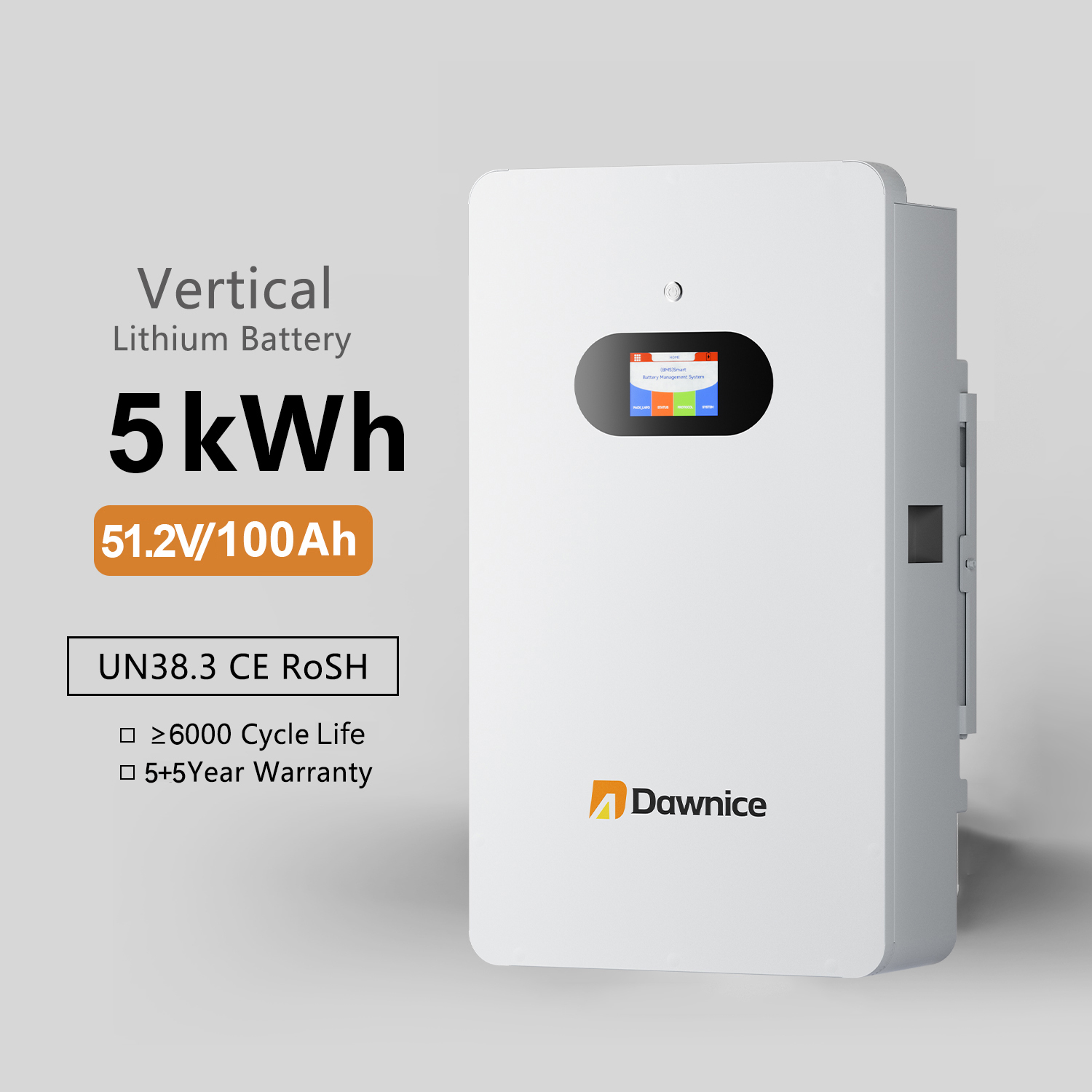 HZEB-LCT-5
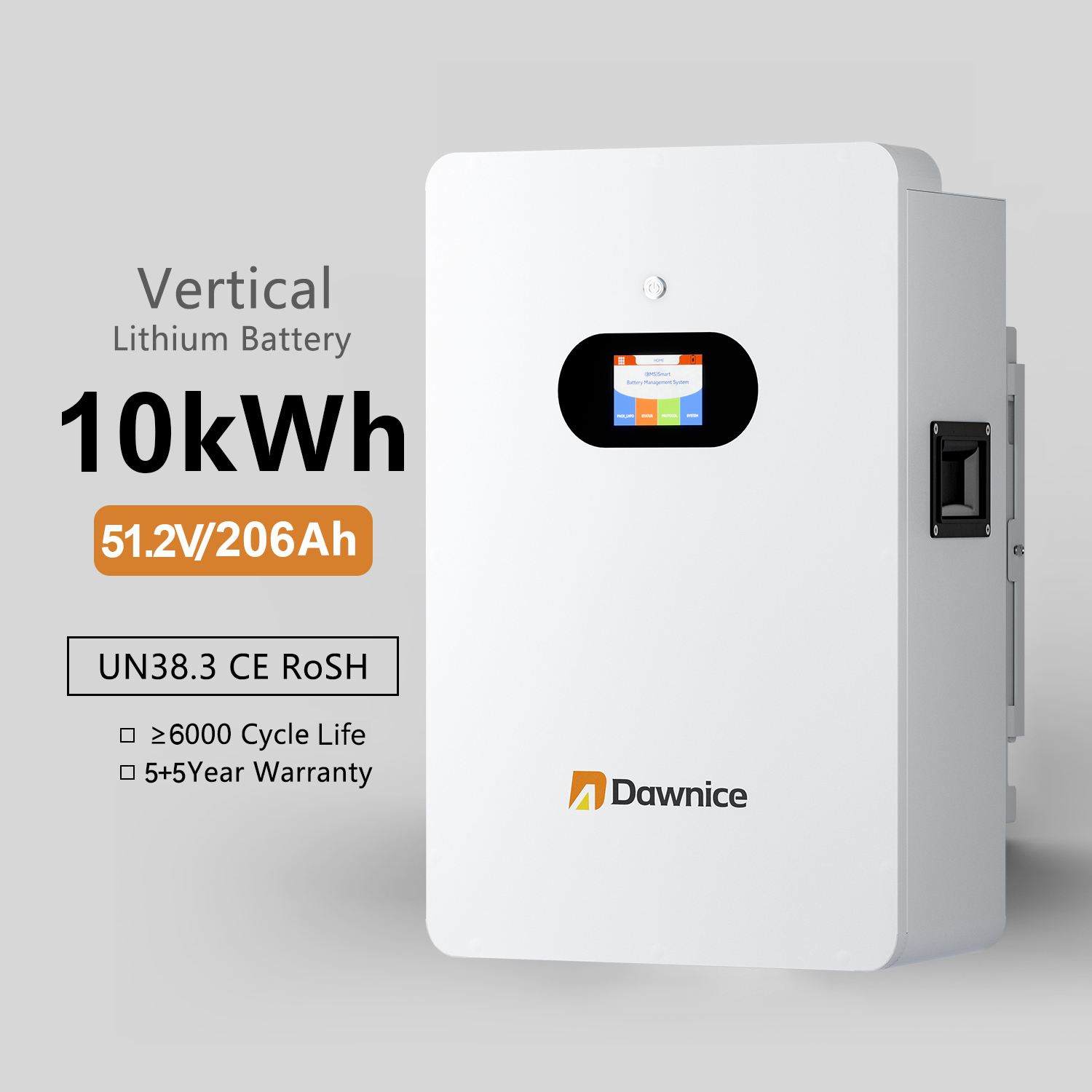 HZEB-LCT-10
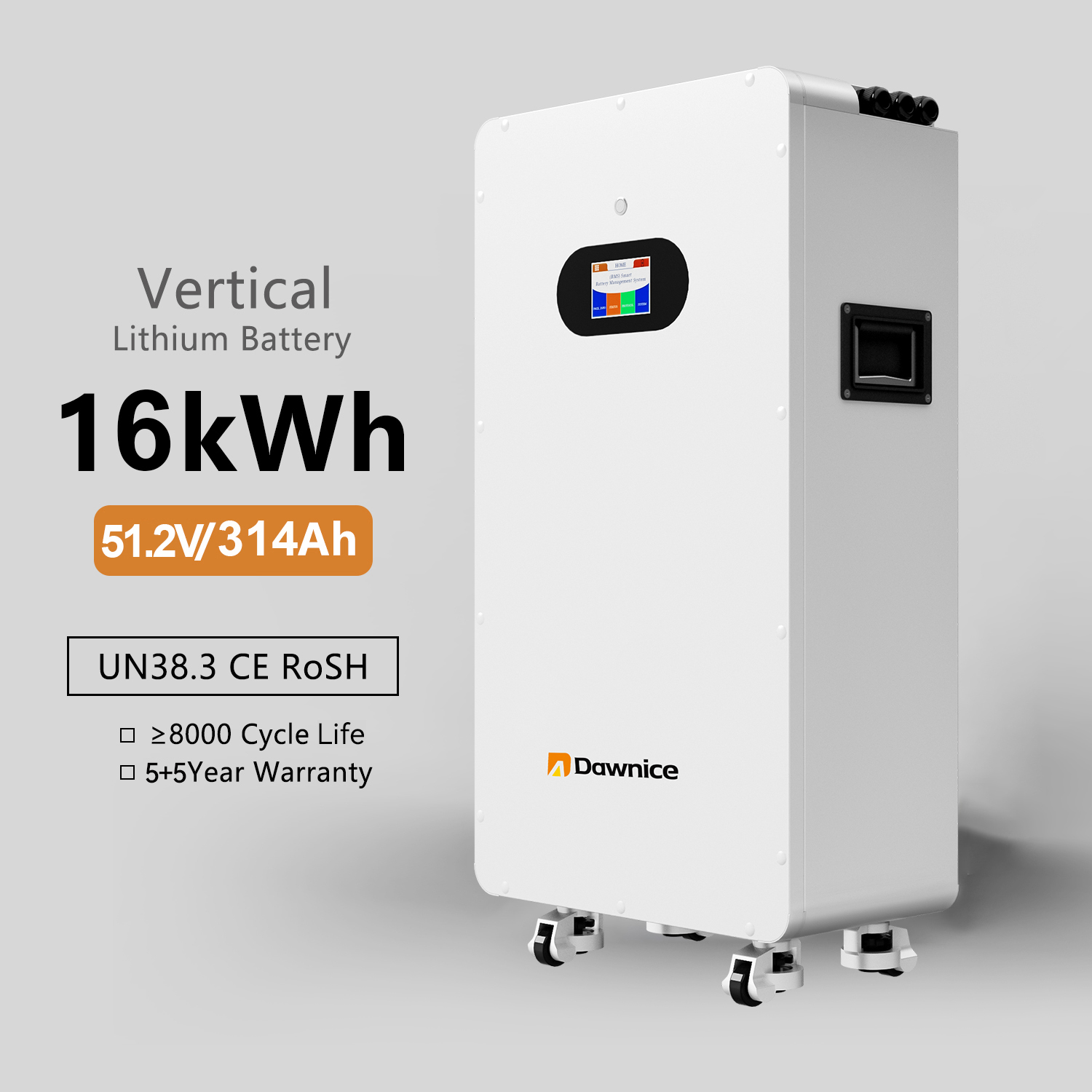 HZEB-LCT-16
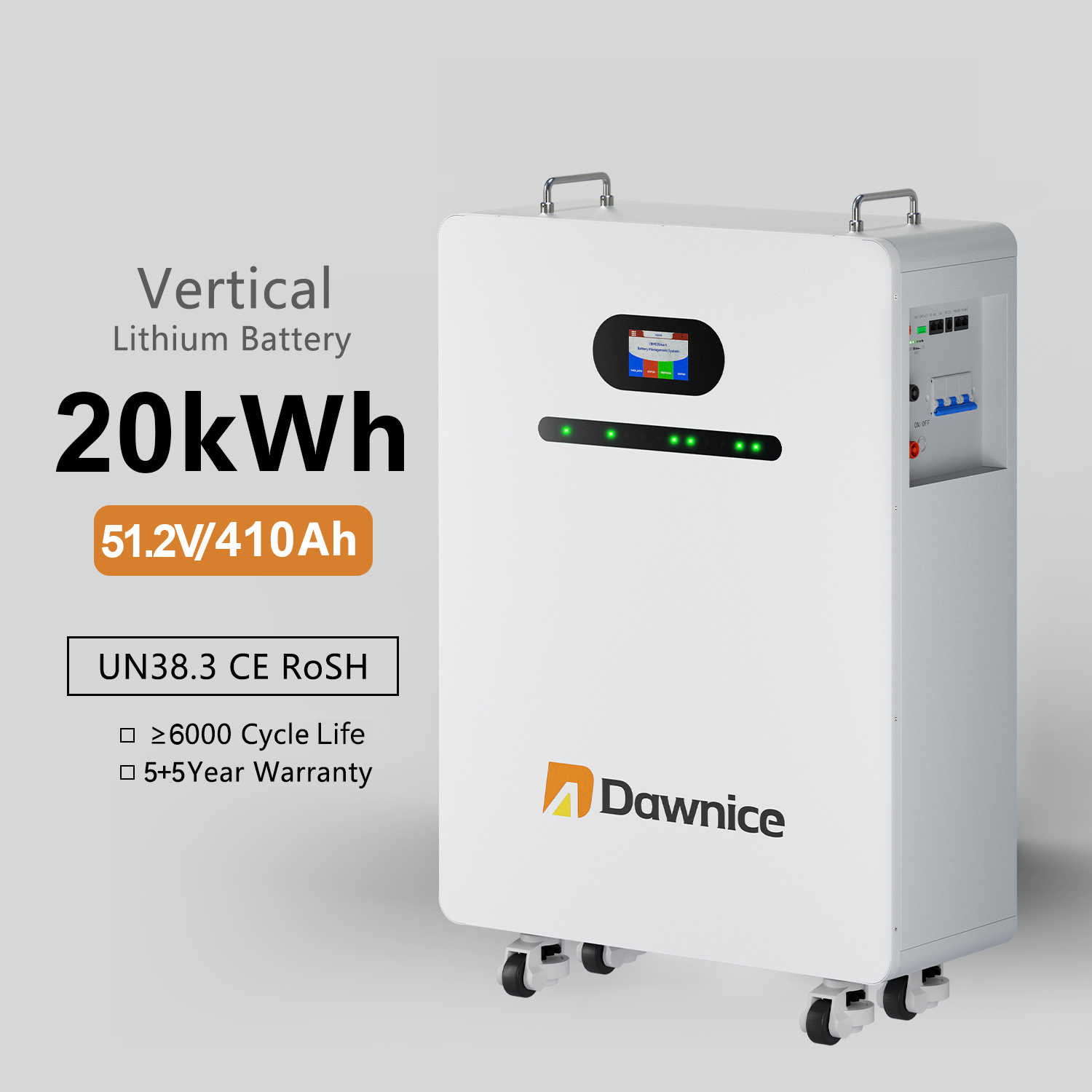 HZEB-LCT-20
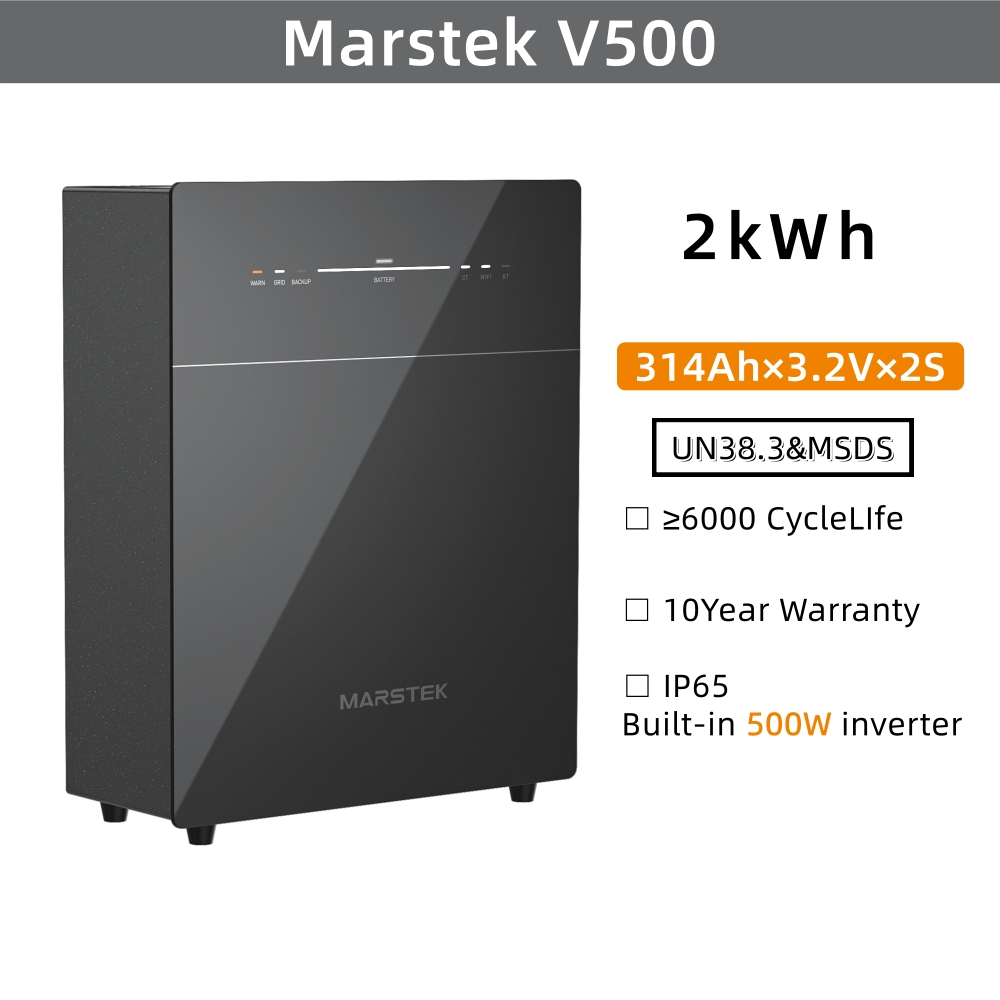 Msrstek V500
 SixUltra BS06-SSeries
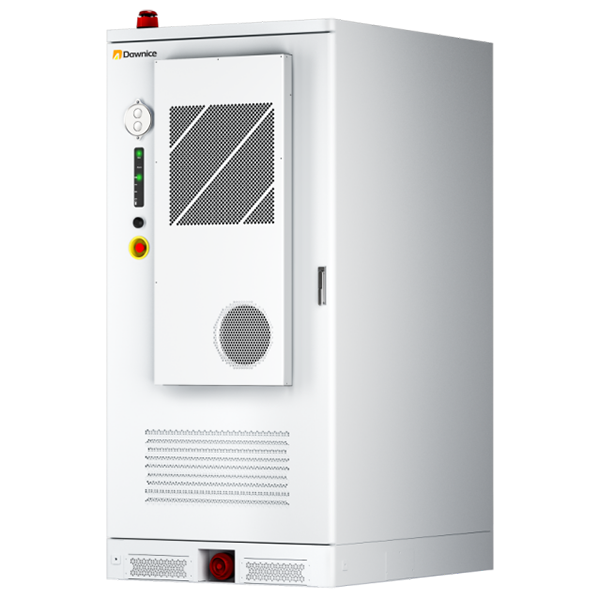 HZEB-HCT-125/522
 PrimeSun-265K
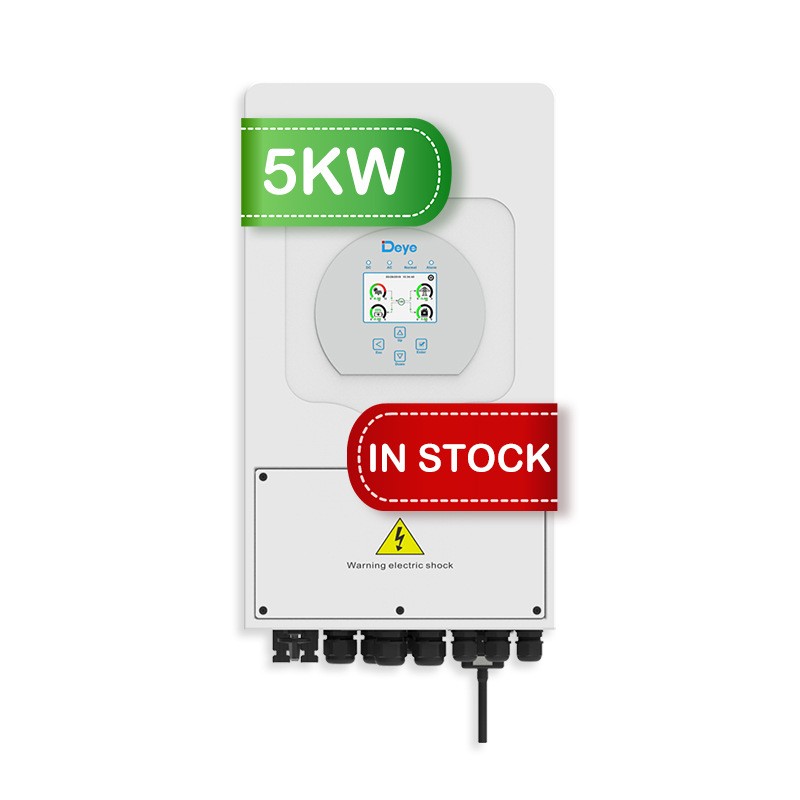 5kW Solar Inverter
 MEiKE 615W