To Strive Forward No Energy Waste

You know, during noon, solar panels can produce way more electricity than a typical home needs. That extra juice can be stored in a battery—perfect for evening lights, fans, and those essential appliances. If your home faces power outages or you're in an area with weak grid supply, picking the right battery can really make a difference—and save you a lot of hassle.
According to the International Energy Agency’s Renewables 2024 report, global capacity for renewables added up to nearly 510 gigawatts in 2023. Pretty impressive, right? Most of that—about three-quarters—came from solar PV. Now, keep in mind, that's about new solar capacity, not specifically battery sales. Still, it shows why having reliable home storage options is becoming more and more important.
One option you might come across is a Solar Tubular Battery, especially if you’re into tried-and-true lead-acid tech and want something readily available. Just a heads-up though—these batteries tend to be pretty heavy, and they often need good ventilation plus some regular maintenance. Honestly, there’s no one perfect choice out there.
In this guide, I’ll compare seven different home battery models, focusing on things you can easily check yourself—like capacity ratings, how many cycles they claim to last, warranty details, charging compatibility, and how easy it is to get service. Make sure to verify if the capacity’s rated at C20, and ask how it performs with deeper discharges. Also, don’t forget to read the manufacturer’s instructions about ventilation, watering, and temperature requirements since those can vary quite a bit.
Sure, a battery might look affordable at first glance, but don’t forget to think about future replacement costs. Some listings also mention test conditions, which is good to know—just take a closer look to be sure. Use this comparison as a starting point, and then pick a battery that fits your daily power needs and local support options. It’s all about finding the right balance for your home.
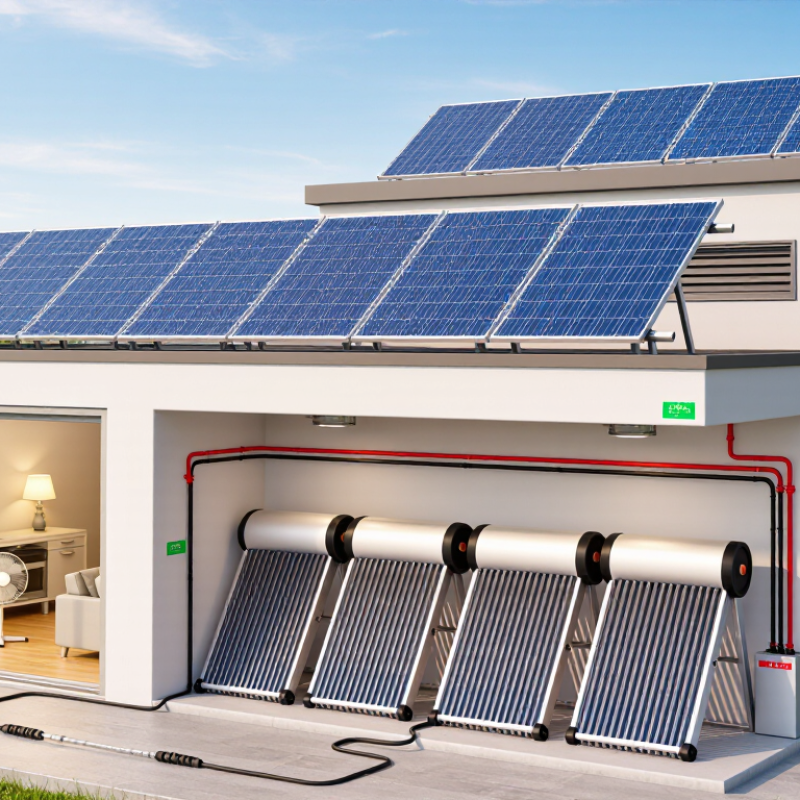
In a home solar system, tubular batteries store electricity through a reversible chemical reaction. Solar panels send direct current to a charge controller during daylight. The controller regulates voltage and current, protecting the battery from harmful overcharging. Inside each battery, lead plates sit in an electrolyte solution. Tubular positive plates hold active material in protective tubes, reducing shedding during repeated charge and discharge cycles. The stored energy becomes direct current until an inverter changes it into household alternating current.
A typical evening load may power lights, a router, and a small refrigerator from this reserve. Battery capacity depends on temperature, age, charging accuracy, and discharge depth. Lowering the battery too far can shorten its working life. Keep flooded models upright, ventilated, and checked for electrolyte levels. Some sealed versions require less maintenance, but they still need suitable charging settings. In practical home installations, I have seen poor sizing cause more trouble than weak sunlight. A battery bank that is too small reaches deep discharge every night. One that is too large may remain partly charged and lose efficiency. Tubular design helps, but it cannot correct an unsuitable system. Real performance also differs between homes, so records of daily consumption are worth keeping. Small mistakes matter.
Choosing among the 7 best solar tubular batteries requires more than comparing prices. Start with usable capacity, not the number printed on the label. A 200Ah battery at 12 volts stores about 2.4kWh before losses. Check the recommended depth of discharge, because frequent deep cycling can shorten battery life. A reliable tubular model should also list cycle ratings, warranty terms, and charging limits clearly.
Look at daily conditions. In a warm utility room, heat can accelerate battery aging. Ventilation matters because lead-acid batteries may release gas during charging. Measure the installation area before purchasing; a battery that cannot stand securely is a poor choice. Also confirm compatibility with the inverter’s charging voltage and current. Small mismatches can cause weak charging or unnecessary wear.
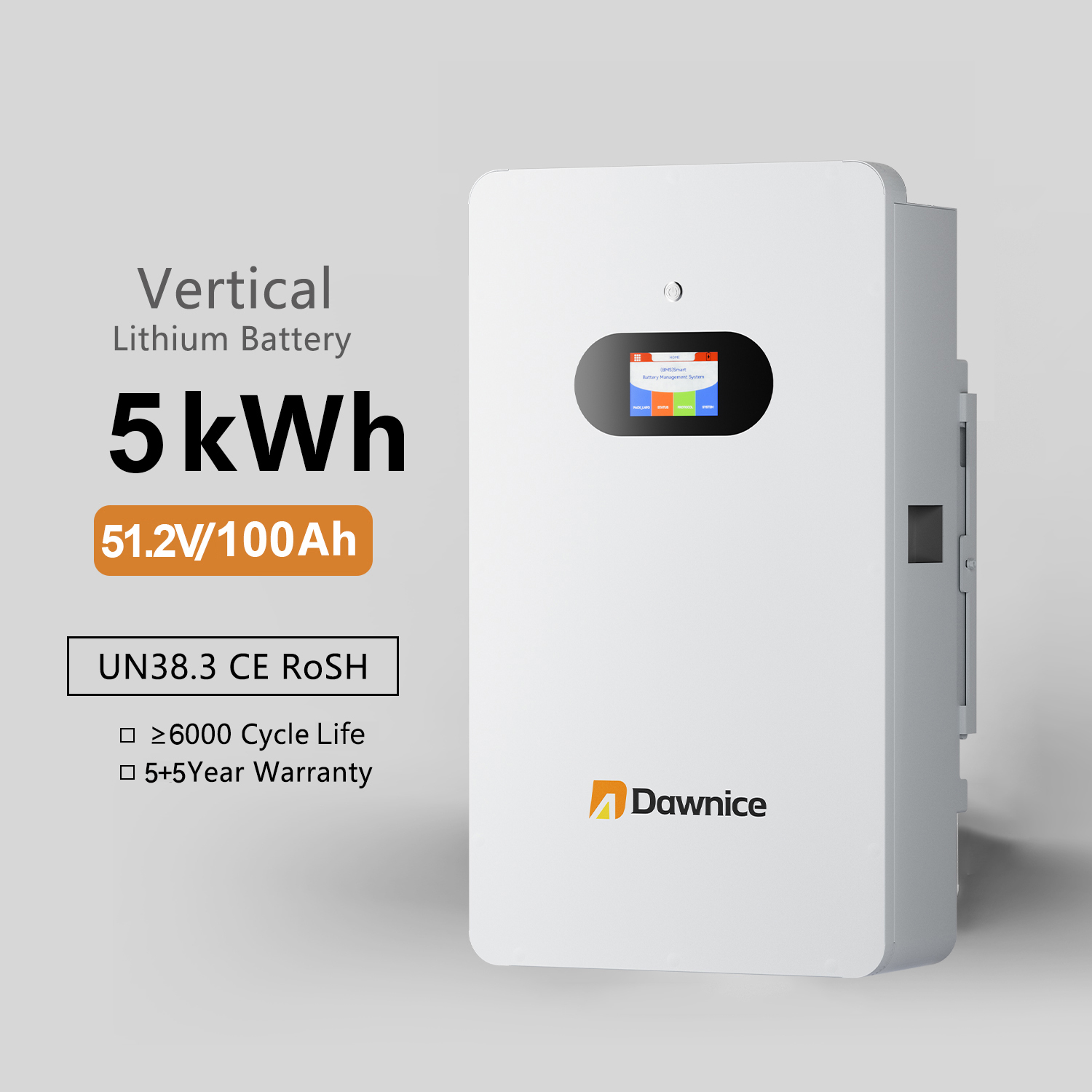
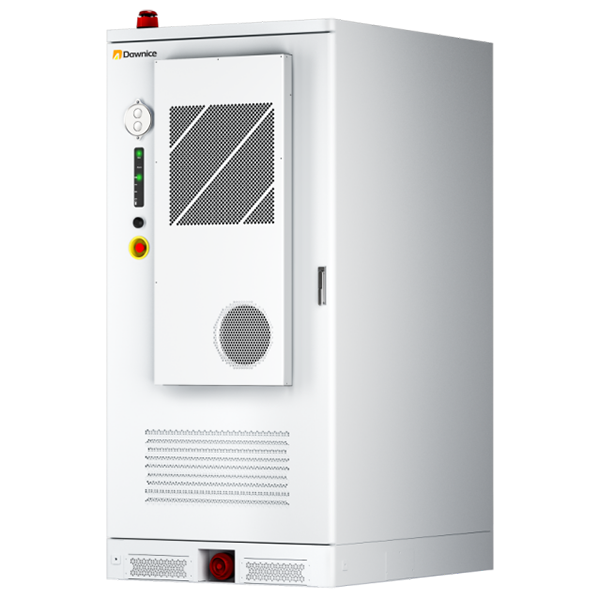
Maintenance deserves attention. Flooded tubular batteries need distilled water checks, while sealed versions reduce routine work but may cost more. Ask whether replacement parts and technical support are available locally. Some buyers search for “Dawnice 5kWh Lithium Battery Home Solar Energy Storage System,” but lithium systems differ from tubular batteries in charging behavior, weight, and maintenance. Do not compare them by capacity alone. I would also question impressive cycle claims without testing conditions. Were those cycles measured at shallow discharge, mild temperatures, and controlled loads? Real homes rarely behave so neatly.
For residential solar use, the seven strongest tubular battery choices are tall tubular flooded, short tubular flooded, tubular AGM, tubular gel, OPzS flooded, OPzV gel, and hybrid tubular designs. Each Solar Battery suits a different household pattern. Tall tubular models handle frequent cycling well, while AGM versions fit cleaner indoor installations. Gel batteries reduce spill risk but often cost more. OPzS batteries can deliver long service in ventilated utility rooms, while OPzV units offer sealed operation.
The International Energy Agency reported over 500 GW of new solar capacity worldwide in 2023. More homes now need dependable storage after sunset. Battery selection should consider daily energy use, backup hours, temperature, and usable depth of discharge. The U.S. Department of Energy’s Energy Storage Grand Challenge highlights efficiency, safety, durability, and lifecycle cost as core evaluation points. A 10 kWh battery may not provide 10 kWh every night.
Real installation details matter. A refrigerator, router, and several lights can draw modest power, but a pump or heater changes the calculation quickly. Flooded tubular batteries need water checks and ventilation. Sealed types need less maintenance, though heat still shortens life. I have seen homeowners oversize capacity while ignoring charging voltage and cable losses. That mistake is easy to make. Reported cycle life also varies by test conditions, so published figures deserve careful review. A shaded, cool battery cabinet and a correctly programmed charge controller often matter as much as the battery type.
Matching a solar tubular battery to household energy needs starts with real measurements, not guesswork. List each appliance, its wattage, and daily operating hours. A refrigerator may consume power in short cycles, while lights run for several hours. Add these daily watt-hours together, then include roughly 15% for inverter losses and wiring.
Battery capacity also depends on voltage, backup time, and usable discharge. For example, a home using 3,000 watt-hours daily may need about 250 amp-hours at 12 volts for one day. However, frequent deep discharge can shorten battery life. A larger bank may be wiser, especially during cloudy weather. Check the manufacturer’s recommended depth of discharge, charging current, and operating temperature range.
Real homes rarely follow the spreadsheet perfectly. My first estimate was too optimistic because evening cooking and water pumping overlapped. That mistake mattered. Track energy use for at least seven days before choosing among tubular battery options. Consider future loads, such as a small freezer or work equipment. Do not size only for today. Installation quality matters too; loose connections create heat and waste energy. A qualified technician should verify cable size, ventilation, fuses, and compatibility with the solar controller. Keep records after installation, because unusual voltage drops may reveal a problem earlier than a complete power failure.
Choosing among the 7 best solar tubular batteries for home use requires more than comparing capacity. Installation conditions strongly affect safety, lifespan, and daily performance. A qualified installer should assess the roof system, inverter, charge controller, and household load before connecting a Solar Pv Battery. The battery needs a dry, shaded, well-ventilated area with a stable, non-combustible floor. Keep it away from children, standing water, heat sources, and direct sunlight. Measure twice.
Cables should match the battery’s current rating and remain short enough to reduce energy loss. Tight, correctly sized terminals prevent overheating, while protective fuses help limit damage during faults. The installer must confirm polarity before energising the system. Incorrect connections can destroy equipment within seconds. Tubular batteries also require suitable charging settings, because excessive voltage can increase water loss and shorten service life. Follow the manufacturer’s technical specifications rather than copying another system.
Maintenance is practical but easy to neglect. Inspect terminals monthly for corrosion, loose connections, or swelling. Clean dust with a dry cloth. For flooded models, check electrolyte levels using the recommended schedule and add only distilled water when required. Wear suitable eye and hand protection. Never add acid casually. Record voltage, water levels, and unusual smells in a simple log. I have found that small readings often reveal problems early, although manual checks are not perfect. A professional inspection should follow any repeated low-voltage warning, overheating, or unexpected capacity drop.
When comparing seven solar tubular batteries, judge safety and replacement risk before sticker price. Check the data sheet for cycle life at a stated depth of discharge; a cycle rating without that condition is nearly meaningless. A 48v Solar Battery bank also needs a correctly sized charger, ventilation, secure terminals, and protection against overcurrent.
Lead-acid charging can release hydrogen. Small details matter: keep sparks away, inspect cables, and follow the supplier’s charging limits. Not glamorous.
Long-term cost includes the battery, charger compatibility, maintenance, usable energy, and eventual replacement. Battery Council International’s 2021 U.S. National Recycling Rate Study reported that about 99% of lead batteries were recycled. That supports recycling access, not a promise that every local collection point accepts every unit.
Compare usable kilowatt-hours over the warranted service life, not just purchase price. Also account for reduced capacity if the battery regularly sits deeply discharged or in heat. A low-cost option can become expensive after an early replacement. One limitation is easy to miss: published cycle tests rarely mirror a home’s irregular solar use, so treat them as comparisons, not guarantees.
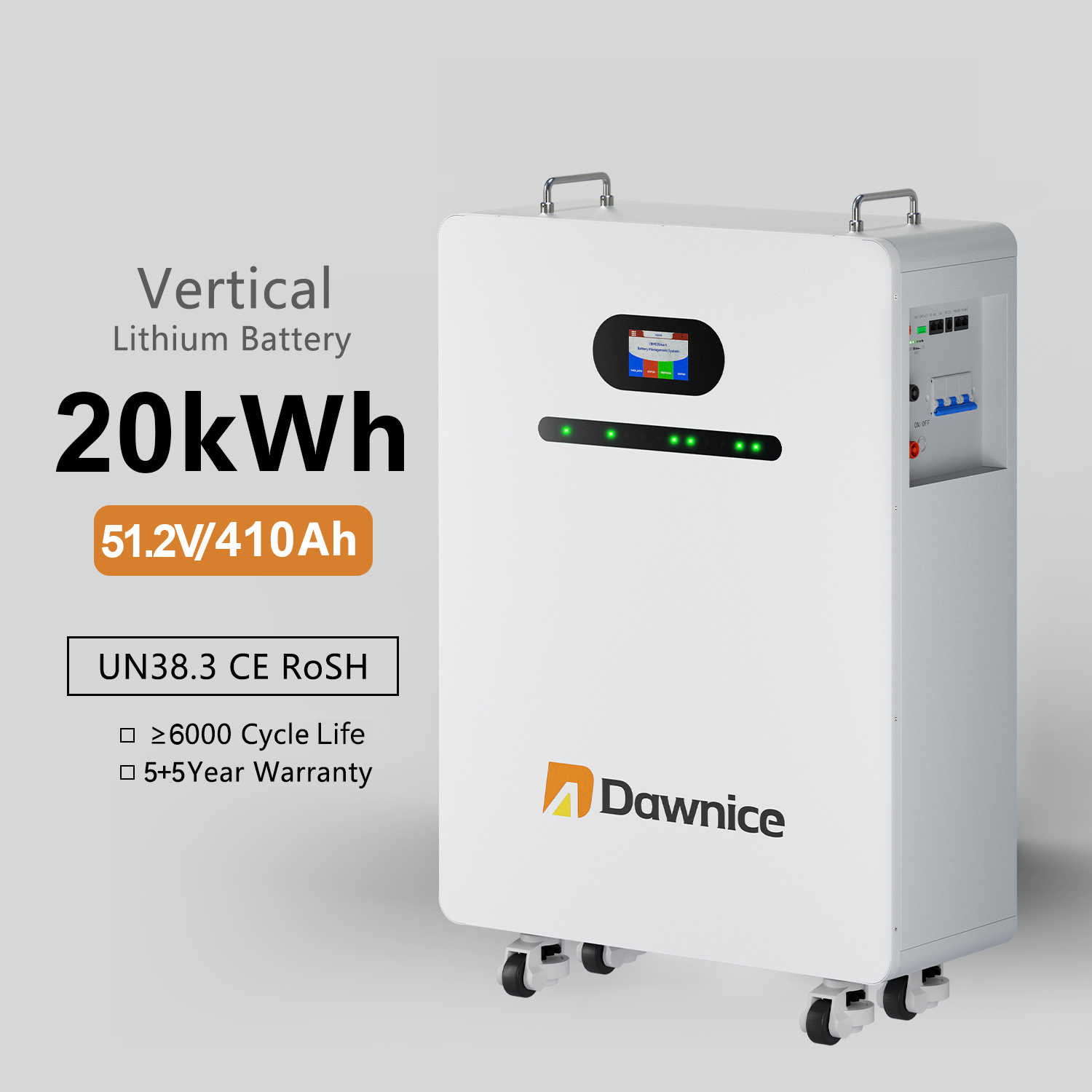
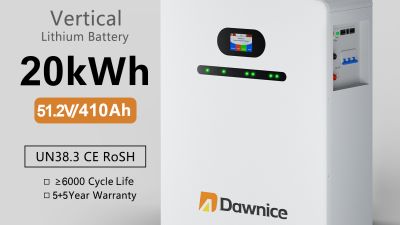
The IEA’s *Batteries and Secure Energy Transitions 2024* highlights the growing role of battery storage in integrating renewable power and strengthening energy security. In its net-zero pathway, global battery storage deployment must expand roughly fourteenfold by 2030. For households and small businesses, a 20kWh system can help shift daytime solar generation into evening use, reduce reliance on grid electricity, and provide backup during outages. Actual backup duration depends on usable capacity, inverter output, and the building’s demand.
A well-designed 20kWh system should pair durable lithium iron phosphate cells with a battery management system that monitors temperature, voltage, and charging conditions. For example, a system rated for more than 6,000 cycles at 90% depth of discharge can offer substantial long-term storage when operated within its specifications. Compatibility through common RS232, RS485, or CAN communications is also important, allowing the battery to coordinate with a suitable inverter and support reliable energy management.
Before choosing a system, compare usable—not just nominal—capacity, continuous power output, safety documentation, enclosure rating, warranty, and local installation requirements. Modular storage can accommodate changing needs, while load planning helps determine whether 20kWh is appropriate for a home or light commercial site. These practical details turn the IEA’s wider energy-transition priorities into a storage choice suited to everyday use.
Check usable capacity, not just the label. A 200Ah battery at 12 volts stores about 2.4kWh before losses.
Frequent deep discharges can shorten battery life. Check the recommended limit and match it to your nightly energy use.
Tall tubular models are designed for frequent cycling. Actual performance still depends on temperature, charging, and daily loads.
Measure the space and provide stable support. Flooded batteries need ventilation, especially during charging. Measure first.
Flooded models need distilled-water checks. Sealed types reduce routine work, but they may cost more.
Compare the battery’s charging voltage and current with the inverter settings. Small mismatches can cause weak charging or extra wear.
Not by itself. Test conditions matter, including discharge depth and temperature. I would double-check impressive claims.
A refrigerator, router, and lights use less power than a pump or heater. Add up real loads and backup hours; estimates can still miss cable losses.
This guide explains how a Solar Tubular Battery stores electricity generated by a home solar system and makes that energy available when sunlight is limited or household demand rises. It outlines the main features to compare when choosing a battery, including capacity, performance, durability, and suitability for residential use, and introduces seven options for homeowners to consider without focusing on brand names.
Readers will also learn how to estimate battery capacity based on daily energy use and backup needs, what to expect from installation and routine maintenance, and how to assess safety, lifespan, and long-term ownership costs. By weighing these factors together, households can make a more informed choice and select a battery system that fits their energy needs and budget.