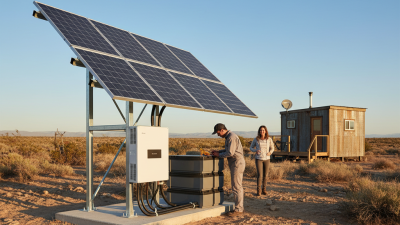
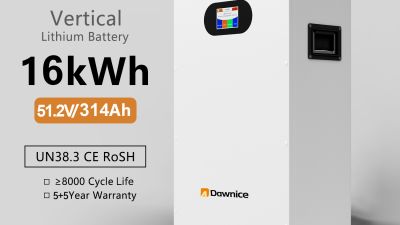
Picking a hybrid solar battery in 2026 isn't just about looking at storage capacity or the price tag. You really need a system that lines up well with your solar setup, inverter, household energy needs, and backup plans. And honestly, in real-world installations, it’s often those small details that count the most. For example, a battery might advertise 10 kWh of capacity, but after adjusting for reserve settings and efficiency losses, you're probably only getting around 8 kWh to use. That little difference really shows up late at night when you need it most.
Energy storage guru Dr. Imre Gyuk once said, ‘Energy storage is the key to enabling the next generation of energy systems,’ and honestly, that still hits home today, especially as more homes combine rooftop solar, electric vehicles, heat pumps, and backup power. When you're looking at a hybrid solar battery, it’s smart to check things like how much of the capacity is actually usable, the overall round-trip efficiency, cycle life, operating temps, and warranty details. Lithium iron phosphate batteries are often a solid pick because they stay stable in heat and last a long time. But let’s be real—just because they’re popular doesn’t mean they’re the best fit for every single home.
And don’t forget to look beyond just the battery. Make sure your inverter supports a smooth backup switch, handles generator connection, and can grow with your needs down the road. Check its continuous output—don’t just go for the power boost during a quick spike. A big capacity battery can seem impressive, but if it can’t handle your well pump or AC, it’s kind of pointless. Want to be sure? Ask your installer to run a model of your evening energy load based on your actual bills—guesswork might save some money upfront, but it rarely pays off long-term.
And honestly, admitting that bigger isn’t always better can be a tough pill to swallow. Oversizing might cost more without giving you much extra benefit, while undersizing could mean you’re always plugging back into the grid. The perfect solar hybrid battery should really match your habits, local climate, roof solar production, and your resilience goals. After installation, keep an eye on the monitoring data—sometimes real-world performance throws a curveball compared to those initial plans, and paying attention to that feedback is key.
In the end, it’s all about making a choice that suits your lifestyle—and not just chasing the biggest or cheapest option out there.
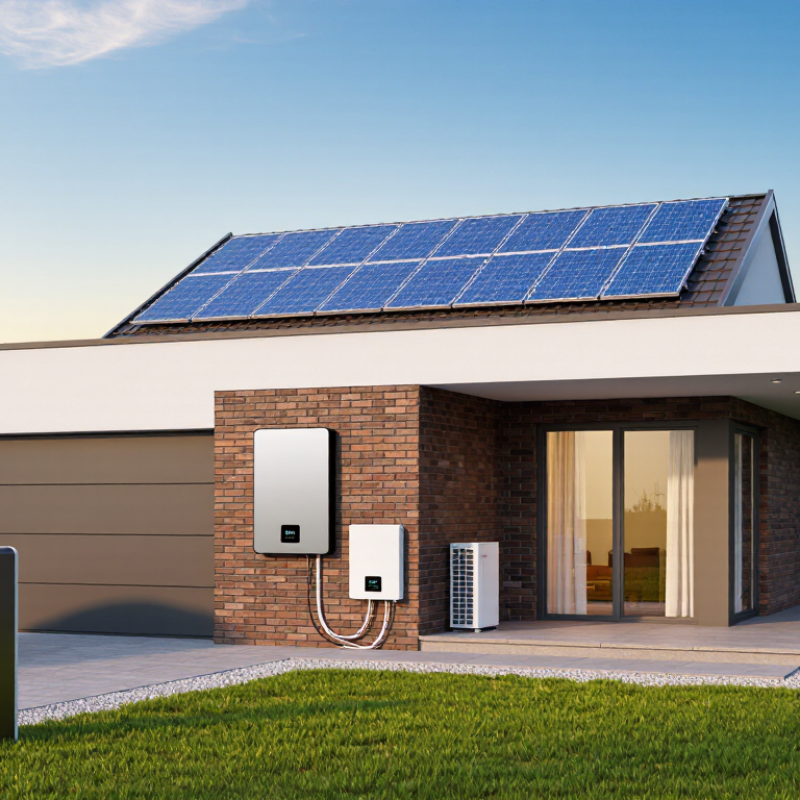
Map Household Loads and Solar Yield Using 24-Hour kWh and Peak-kW Data
Choosing a hybrid solar battery starts with your household’s actual energy pattern, not its advertised capacity.
Record electricity use for at least seven ordinary days. Include weekends, cloudy weather, and evening routines. Your meter may show 18 kWh per day, but that figure hides important timing.
List major loads hour by hour. Note the refrigerator, heat pump, water heater, induction cooker, pumps, and electric vehicle charger.
Then identify the highest simultaneous demand. A home might use 18 kWh daily but reach 7 kW at 7 p.m. A battery with enough energy may still fail if its inverter cannot support that peak. My first estimate was too optimistic because I counted total usage, but ignored the cooking and heating overlap.
Tips:
Separate daily energy from peak power. Size usable battery capacity around evening consumption, then allow for reserve and conversion losses. Check continuous output, short surge capability, usable depth of discharge, and backup circuits. Solar yield also matters. A 6 kW rooftop system may produce 24 kWh on a bright summer day, but far less during winter rain. Compare seasonal production with household demand before selecting storage. Ask for measured efficiency, operating temperature limits, warranty conditions, and monitoring accuracy. Leave room for uncertainty. People often buy for their best month, then feel disappointed in December. A smaller battery with realistic charging data can be more useful than a larger unit that rarely reaches a meaningful state of charge.
Compare LFP and NMC by 3,000–10,000 Cycle Ratings and Thermal Stability
Choosing a Hybrid Solar Battery in 2026 requires more than comparing storage capacity. Cycle ratings often range from 3,000 to 10,000 cycles. However, test conditions can differ widely. Depth of discharge, charging speed, and operating temperature affect real service life. A battery rated for 10,000 cycles may perform differently under daily rooftop solar use.
LFP batteries usually offer stronger thermal stability and longer cycle potential. They can suit homes needing frequent daily charging. NMC batteries commonly provide higher energy density in a smaller enclosure. That advantage matters where installation space is limited. Yet NMC systems need careful thermal management and safe ventilation. The chemistry alone does not guarantee reliability. A compatible inverter and well-designed battery management system are equally important.
Tips: Ask how the cycle rating was tested. Check the usable capacity, not only the nameplate capacity. Review performance at your local temperature range. A 3,000-cycle battery may be adequate for occasional backup. A 10,000-cycle model may justify its cost for heavy daily use. I would avoid choosing by headline numbers alone. Real-world losses are easy to underestimate.
Size Usable Capacity with 80–100% DoD and 1–2 Days of Backup
How to Choose a Hybrid Solar Battery in 2026?
Battery sizing should begin with critical loads, not total household consumption. List the refrigerator, lighting, internet equipment, medical devices, and water pumps. Record their daily energy use in kilowatt-hours. A practical audit often reveals that backup needs are smaller than expected. Yet brief motor surges can still affect inverter selection.
For one day of backup, multiply critical daily consumption by one. For two days, multiply it by two. Then account for inverter losses and the battery’s usable depth of discharge. A 6 kWh daily load for two days needs about 13.3 kWh delivered, assuming 90% system efficiency. At 90% DoD, the nominal battery should be roughly 14.8 kWh. Check the datasheet carefully. Some batteries advertise capacity before reserve limits.
Use an 80–100% DoD range only when the manufacturer supports it under your operating conditions. An 80% DoD setting can extend battery life, while 100% may provide more emergency energy. The trade-off is real. Weather also matters. Two cloudy winter days may demand more capacity than a sunny forecast suggests.
A properly matched Hybrid Solar Inverter should handle continuous loads, startup currents, charging limits, and backup switching. I have seen systems sized perfectly on paper but disappoint during pump starts. That mistake is easy to repeat. Leave a modest reserve, then review actual consumption after several months.
Rank Systems by 85–95% Round-Trip Efficiency and 97–99% Inverter Efficiency
Choosing a hybrid solar battery in 2026 requires more than comparing storage capacity. Start by ranking systems through round-trip efficiency, ideally between 85% and 95%. This figure measures energy retained after charging and discharging the battery. For example, a 10 kWh solar input may deliver 9 kWh from a 90% efficient system. That missing energy becomes heat, conversion loss, or wiring loss. Ask for test conditions, not only headline figures. Laboratory results can differ from a garage installation during cold mornings or high summer heat. Field measurements often change when batteries operate below 30% capacity. Real conditions matter.
Evaluate inverter efficiency separately, targeting 97% to 99% under suitable operating loads. A Hybrid Solar Inverter 5kw may advertise 98% peak efficiency, yet perform differently at 600 watts. Check efficiency curves, standby consumption, and performance during cloudy, low-load periods. A battery that loses little energy can still waste power through an oversized inverter. Compare usable capacity rather than the nameplate capacity printed on the cabinet. Request independent test reports, installation records, and clear warranty conditions from qualified professionals. If data is missing, treat the claim cautiously. My calculations sometimes look too neat; household demand rarely does. Leave room for uncertainty. A small efficiency gap becomes noticeable after thousands of cycles.
Verify Battery–Inverter Compatibility, MPPT Limits, and Grid-Code Support
How to Choose a Hybrid Solar Battery in 2026?
Battery selection starts with the inverter, not the battery label. A battery may have the correct voltage yet fail communication tests. Check supported chemistry, voltage range, continuous current, peak current, and communication protocol. Confirm whether the inverter requires CAN, RS485, or another approved connection. A 5kw Hybrid Solar Inverter may limit battery charging even when the battery can deliver more power.
MPPT limits deserve separate attention. They control the solar array, not the battery, but poor matching can reduce daily harvest. Check each tracker’s maximum voltage, operating voltage, short-circuit current, and input power. Cold weather can raise panel voltage near the inverter’s limit. Leave a safe margin. Grid-code support is equally important. The system should meet local requirements for voltage response, anti-islanding, frequency control, and export limitation. Ask for current compliance documents, not verbal promises.
Tips: Request a compatibility table before buying. Compare the battery’s usable capacity, not only its advertised capacity. Confirm installer settings and firmware procedures. Test the shutdown response during commissioning. I have seen tidy specifications hide unclear peak-current durations. That detail matters. Also, a battery that works today may lose support after an update, so keep written records and verify service arrangements.
Check UL 9540, IEC 62619, and NFPA 855 Safety Compliance
Choosing a hybrid solar battery in 2026 requires more than checking capacity and warranty length. Safety paperwork matters. The International Energy Agency’s Batteries and Secure Energy Transitions report estimates that global battery storage must reach about 1,200 GW by 2030. Rapid growth increases the need for disciplined installation and verification.
Key certification distinction: UL 9540 evaluates the complete energy storage system, including batteries, inverters, controls, and protective functions. Ask for a certificate covering the exact model and configuration.
IEC 62619 focuses on industrial lithium battery safety, including abnormal operation and electrical abuse testing. A cell-level certificate is not automatically a system-level approval. This distinction is often missed.
Installation requirements
NFPA 855 addresses installation details, such as spacing, ventilation, detection, suppression, emergency shutdown, and separation from occupied areas.
Local compliance
Local authorities may apply a newer edition or additional requirements. Check the authority having jurisdiction before purchase.
The U.S. Energy Information Administration reported roughly 15 GW of utility-scale battery capacity operating by the end of 2023, showing how quickly storage is entering real sites. Ask for UL 9540A test evidence where applicable, even though it is a test method rather than a certification.
A broader safety review
I once focused too heavily on round-trip efficiency. That was incomplete. A safer review also checks temperature limits, fault alarms, maintenance access, and installer qualifications.
Paperwork can look convincing. Scope is what matters.
Calculate 10–15-Year Cost per kWh with 70–80% Warranty Retention
How to Choose a Hybrid Solar Battery in 2026?
A hybrid solar battery should be judged by delivered energy, not its advertised capacity. The International Energy Agency reported that lithium-ion battery pack prices fell 14% in 2023. Lower prices help, but installation, inverter losses, software, and replacement risk still shape ownership cost. The U.S. National Renewable Energy Laboratory’s 2024 Annual Technology Baseline also treats round-trip efficiency, cycling, and project life as essential cost variables.
Use this practical calculation: total lifetime cost divided by usable lifetime kilowatt-hours. For example, an 8 kWh battery costing $8,000, operating 300 cycles yearly for 12 years, with 90% efficiency and 80% end-of-warranty retention, may deliver about 23,300 kWh. That equals roughly $0.34 per delivered kWh before financing and maintenance. A stricter 70% retention assumption raises the result. Check the warranty carefully. Some warranties guarantee energy retention, while others limit annual throughput or cycle counts.
Do not confuse this figure with your electricity savings. Savings depend on tariffs, solar production, backup use, and local export rules. The battery may cycle less during cloudy winters. It may also lose capacity faster in a hot garage. I would request test data at the expected temperature, usable capacity, and discharge rate. A neat spreadsheet can still mislead. Include inverter replacement, monitoring fees, and possible battery recycling costs. NREL’s cost models are useful benchmarks, but household results require measured consumption data. Expect 10–15-year projections to contain uncertainty. That is not a flaw; hiding it is.
How to Choose a Hybrid Solar Battery in 2026?
Estimated 10–15-year cost per delivered kWh under 70–80% warranty-retention scenarios
The comparison uses a representative 10 kWh hybrid battery, an installed cost of $7,000, 300 equivalent full cycles per year, and 90% round-trip efficiency. Cost per delivered kWh is calculated as installed cost divided by lifetime delivered energy, with degradation modeled through average usable capacity based on the stated end-of-warranty retention. Lower values indicate better long-term energy economics.
Formula: Cost per delivered kWh = Installed cost ÷ (usable capacity × annual cycles × service years × round-trip efficiency × average capacity factor).
Dawnice 16kWh Solar Battery Storage: A Complete Guide to Home Energy Independence
Home energy independence is becoming increasingly practical as solar generation and battery storage develop together. The International Energy Agency’s *Electricity 2024* report noted that global battery-storage additions nearly doubled in 2023, reaching almost 42 GW, reflecting growing demand for flexible, reliable electricity. A 16 kWh home battery can capture surplus midday solar power and release it during the evening, reducing grid purchases and helping households maintain essential loads during outages.
Designed for modern residential energy systems, this high-capacity lithium battery uses LiFePO4 chemistry and is rated for more than 8,000 cycles at 90% depth of discharge. Its intelligent Battery Management System continuously monitors voltage, temperature, and current to support safe, efficient operation. With an IP54 enclosure, the unit can be installed in suitable indoor or sheltered outdoor locations, while RS232, RS485, and CAN communication ports support plug-and-play integration with compatible solar inverters.
The U.S. Department of Energy’s *Energy Storage Grand Challenge Roadmap* highlights longer-duration storage, safety, and system interoperability as key priorities for a resilient clean-energy network. In practical household applications, a 16 kWh system can support lighting, refrigeration, communication equipment, heating controls, and other critical appliances, improving solar self-consumption and providing dependable whole-home backup when grid power is unavailable.
FAQS
List critical loads first, including refrigeration, lights, internet equipment, medical devices, and water pumps. Record their daily energy use. For two backup days, multiply critical consumption by two. Then include inverter losses and usable battery capacity.
Two days require 12 kWh before losses. At 90% system efficiency, delivery needs about 13.3 kWh. With 90% DoD, choose roughly 14.8 kWh nominal capacity. The exact result depends on datasheet definitions.
No. An 80% DoD setting may support longer battery life. A 100% setting offers more emergency energy. Use the manufacturer’s approved range for your operating conditions. The trade-off is real.
Two cloudy winter days may produce less solar energy than expected. Leave a modest reserve above your calculated requirement. Check actual household consumption after several months. My spreadsheet may look precise, but household demand rarely behaves neatly.
Compare round-trip efficiency between 85% and 95%. Also check inverter efficiency, preferably around 97% to 99%. A 10 kWh input may deliver only 9 kWh at 90% efficiency. Look beyond peak laboratory results.
Peak efficiency may occur under specific loads. A large inverter can consume unnecessary standby power. Check efficiency curves at low loads, such as 600 watts. Cloudy afternoons reveal this weakness. Real conditions matter.
Check chemistry, voltage range, continuous current, peak current, and communication protocol. Confirm whether CAN, RS485, or another approved connection is required. Ask for a written compatibility table before purchasing. Matching voltage alone is not enough.
Review each MPPT’s maximum voltage, operating voltage, short-circuit current, and input power. Cold weather can raise panel voltage near the inverter limit. Leave a safety margin. Poor matching can reduce daily solar harvest.
Request current documents covering voltage response, anti-islanding, frequency control, and export limitation. Confirm installer settings and firmware procedures. Test shutdown behavior during commissioning. Keep written service records. Details can disappear later.
Conclusion
Choosing a Hybrid Solar Battery in 2026 starts with understanding your household’s actual energy behavior. Review 24-hour electricity consumption, peak demand, and expected solar generation before estimating the required storage size. Compare LFP and NMC batteries by cycle life, typically ranging from 3,000 to 10,000 cycles, while also considering thermal stability and installation conditions. Usable capacity should reflect an 80–100% depth of discharge and provide one to two days of backup without unnecessary oversizing.
Efficiency, compatibility, safety, and long-term value are equally important. Prioritize systems offering approximately 85–95% round-trip efficiency and 97–99% inverter efficiency, then verify battery–inverter communication, MPPT voltage and current limits, and grid-code support. Confirm compliance with recognized standards such as UL 9540, IEC 62619, and NFPA 855. Finally, compare the projected 10–15-year cost per usable kWh, warranty coverage, and expected retention of 70–80% to identify a reliable and financially sensible solution.

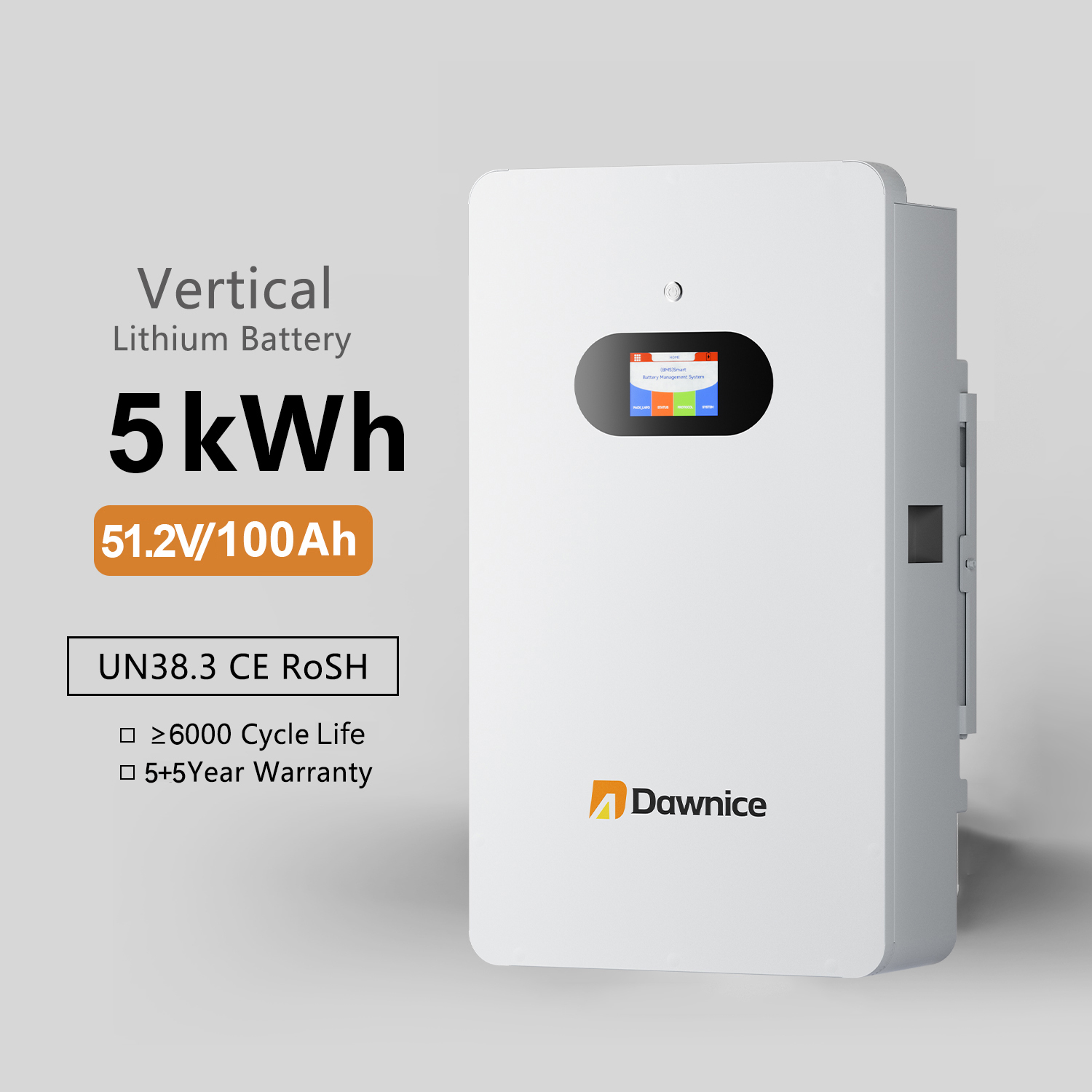 HZEB-LCT-5
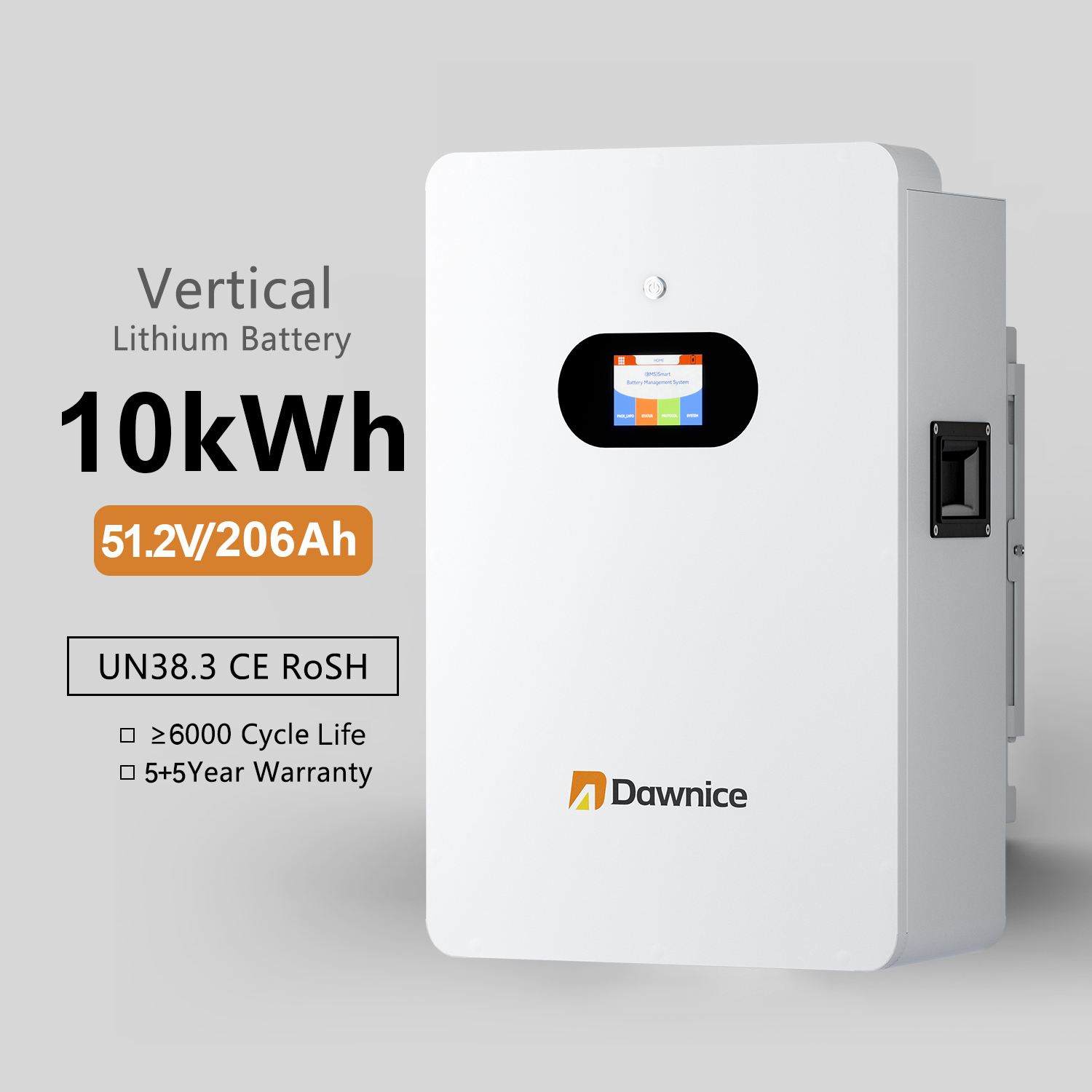 HZEB-LCT-10
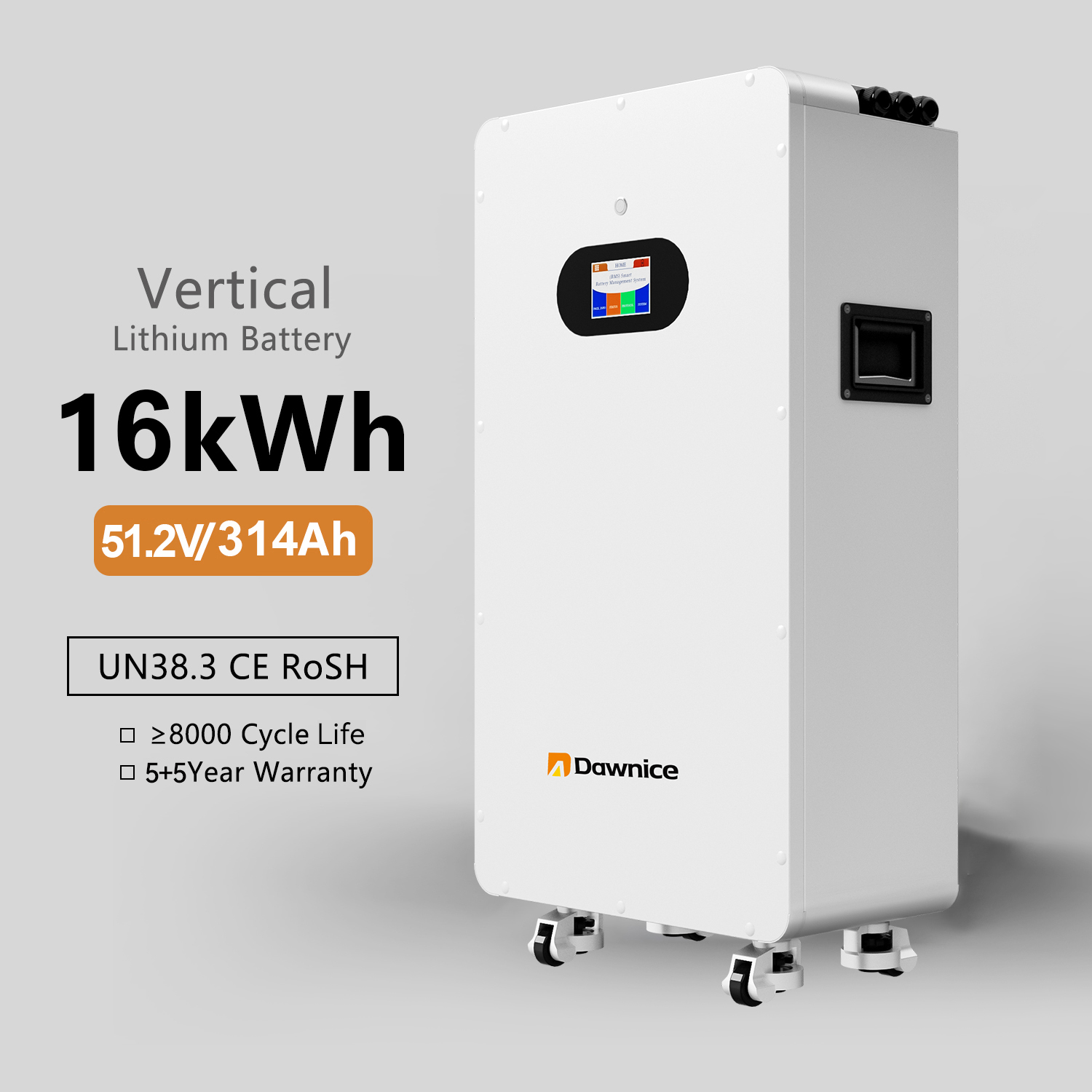 HZEB-LCT-16
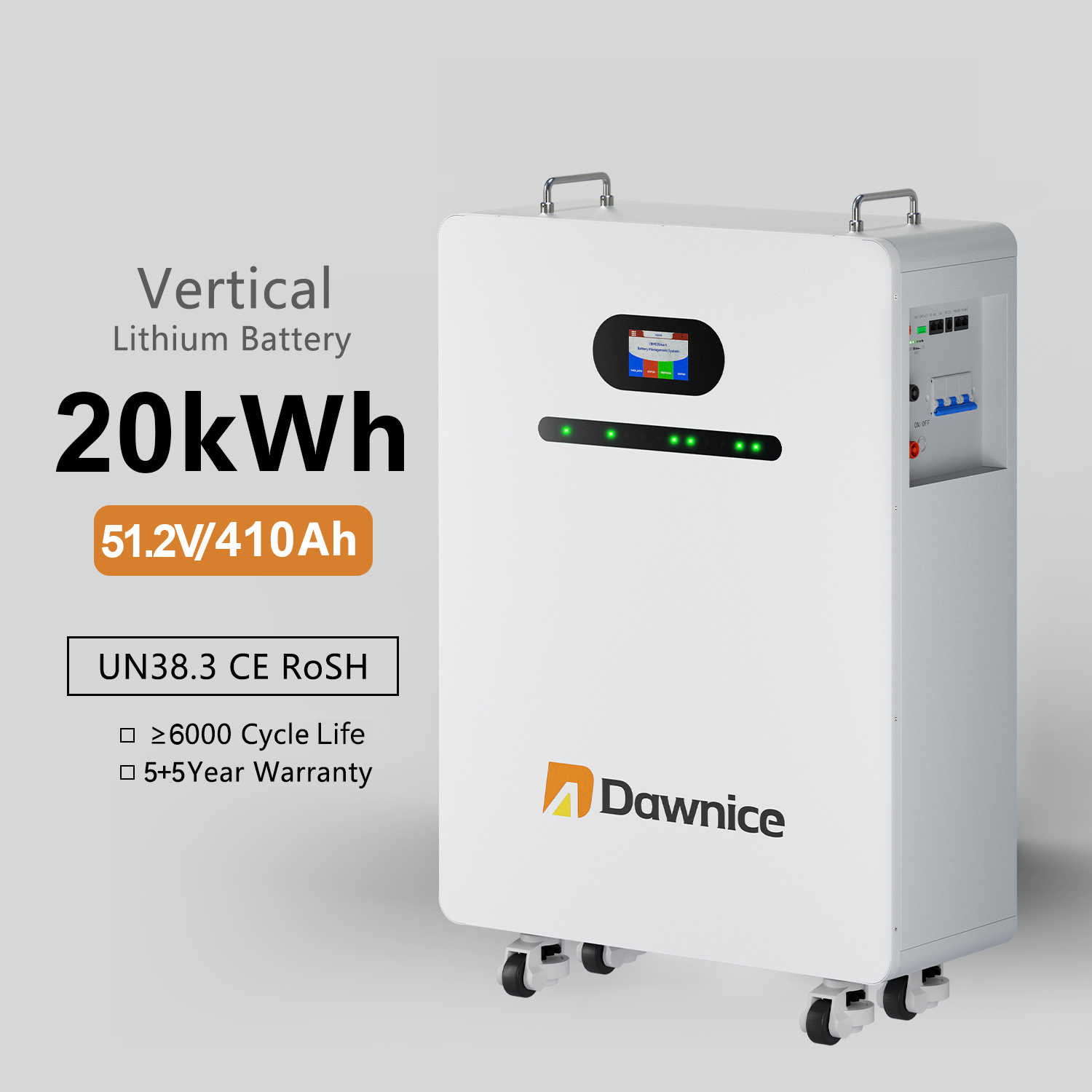 HZEB-LCT-20
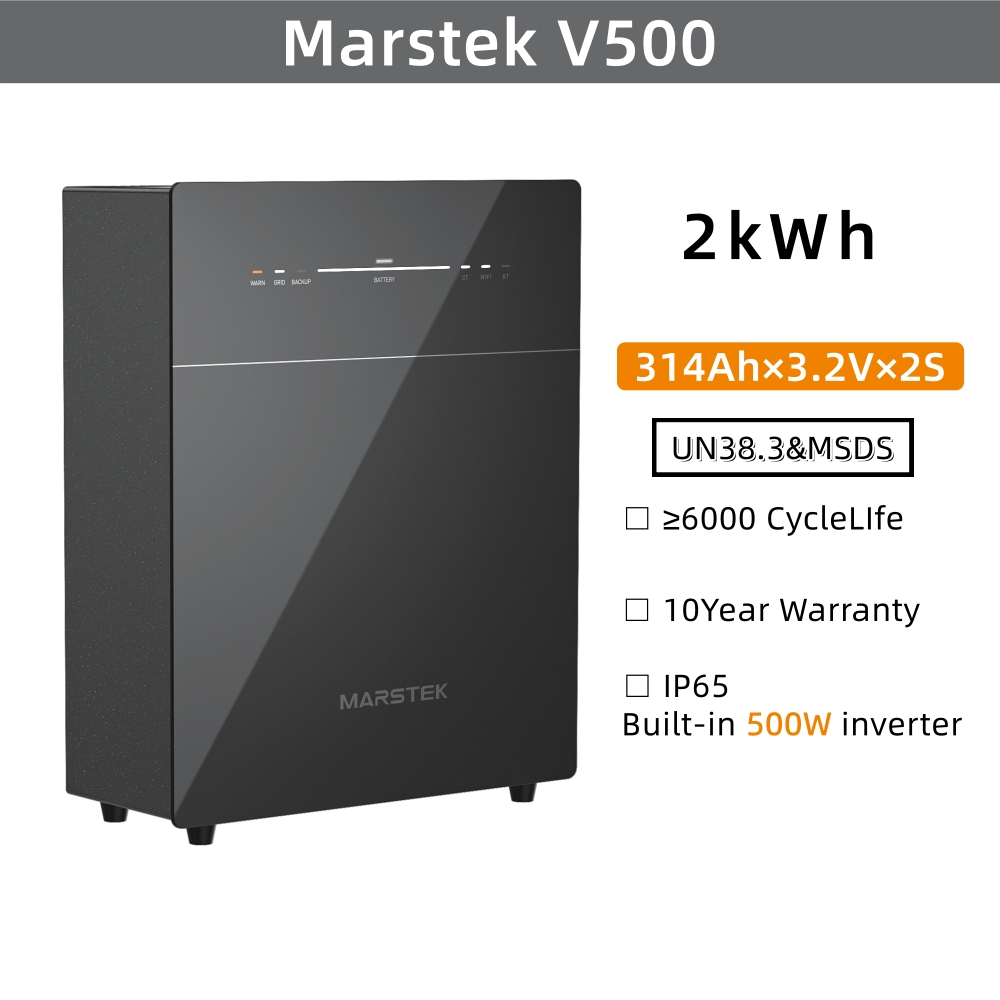 Msrstek V500
 SixUltra BS06-SSeries
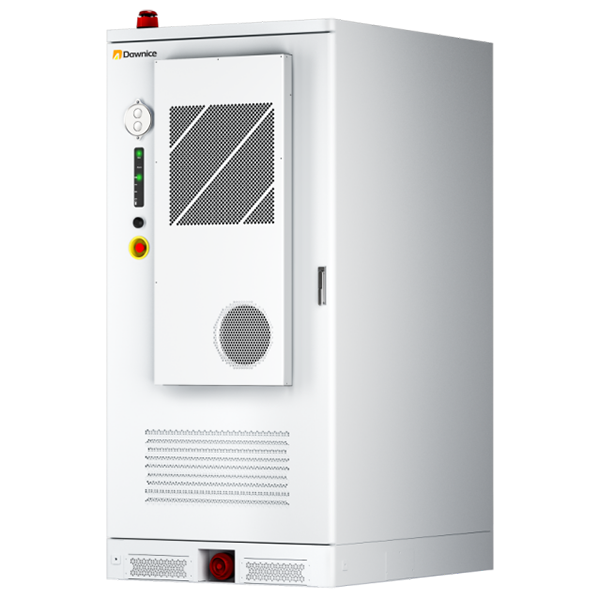 HZEB-HCT-125/522
 PrimeSun-265K
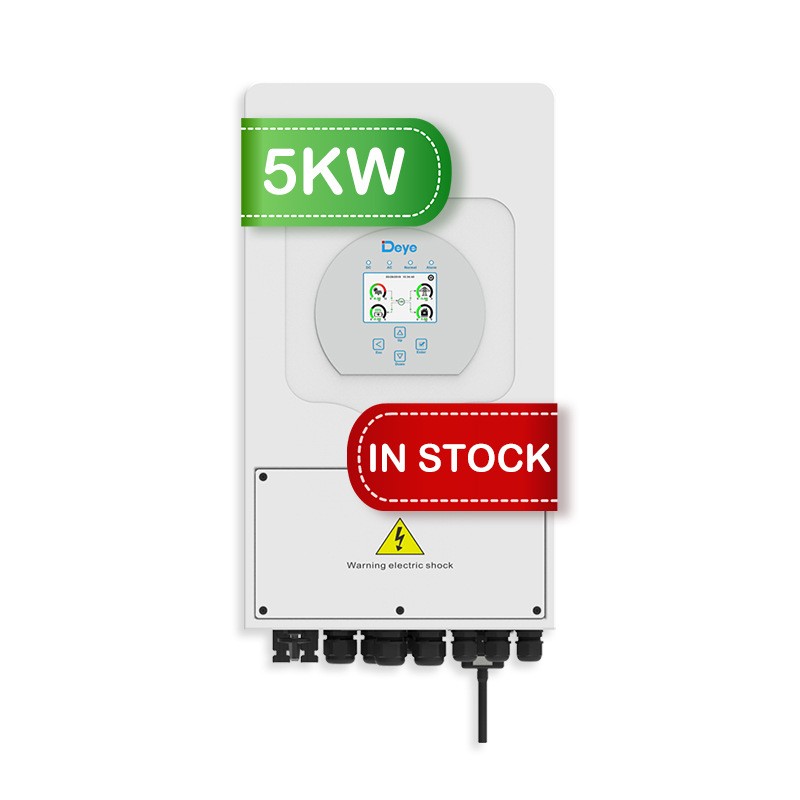 5kW Solar Inverter
 MEiKE 615W