To Strive Forward No Energy Waste

Picking the right Off Grid Inverter manufacturer in China isn’t just about chasing the lowest price. Trustworthiness really matters— especially if you're talking about powering a remote clinic, farm, or even just your home during the night. Did you know that, according to the International Energy Agency, around 685 million folks still didn’t have access to electricity back in 2022? And with the Renewables 2024 report predicting a big surge in renewable capacity by 2030, it’s clear why you need to pick dependable, decentralized energy solutions carefully.
China has a pretty solid manufacturing scene for solar inverters, batteries, and power electronics. But, just because a factory’s big doesn’t automatically mean their products will stand up in real-world conditions. When you’re shopping around, it’s a good idea to look into things like steady power output, how well the inverter handles surges, whether it plays nicely with your batteries, how efficient it is at converting energy, how it cools itself, and what protective features it offers. Independent certifications matter too—so keep an eye out for IEC standards, ISO 9001 quality systems, and safety approvals that match your needs.
The IRENA Renewable Power Generation Costs report points out that storage options and overall system design are playing an increasingly big role in the economics of renewable projects. That means, an inverter that seems cheap upfront might end up costing more over time if it keeps failing or is hard to fix. The real proof is in the field. It's worth asking manufacturers for installation histories, warranty details, remote monitoring options, spare part support, and how their equipment performs in hot temperatures. World Bank and ESMAP reports often mention that accessing reliable service can be a real challenge in off-grid setups. A good supplier should be upfront about what their equipment can and can’t do—vague promises are usually warning signs.
Of course, no ranking system is perfect, and spreadsheets can sometimes be misleading. Real-world projects tend to reveal issues that brochures often gloss over. This guide aims to compare China-based manufacturers based on solid, measurable specs, documented quality practices, real-world application experience, and after-sales support. All of this should help you make a more informed, balanced choice—rather than just guessing or jumping at the cheapest deal.
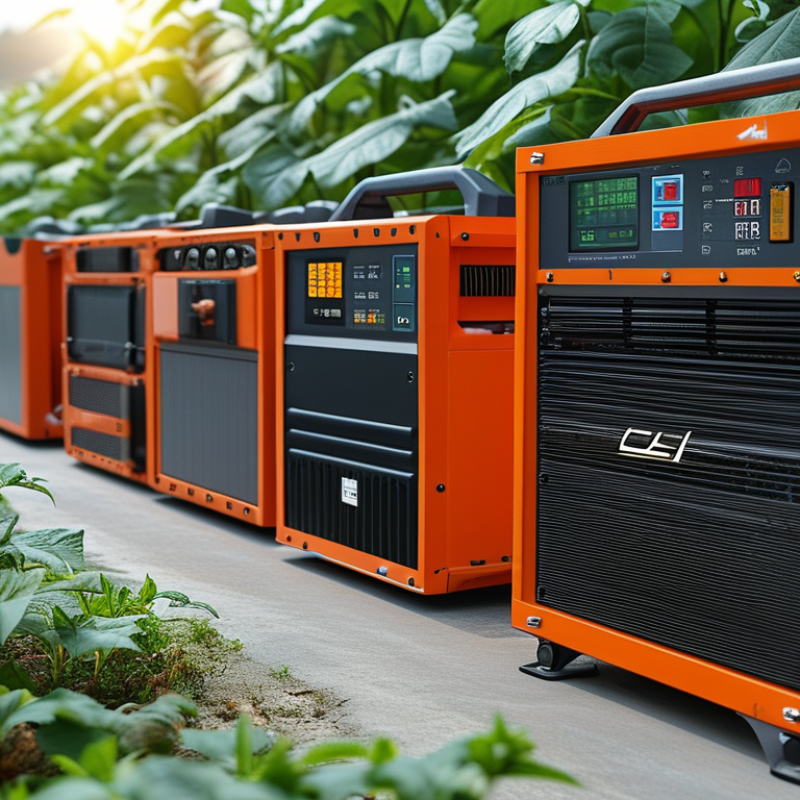
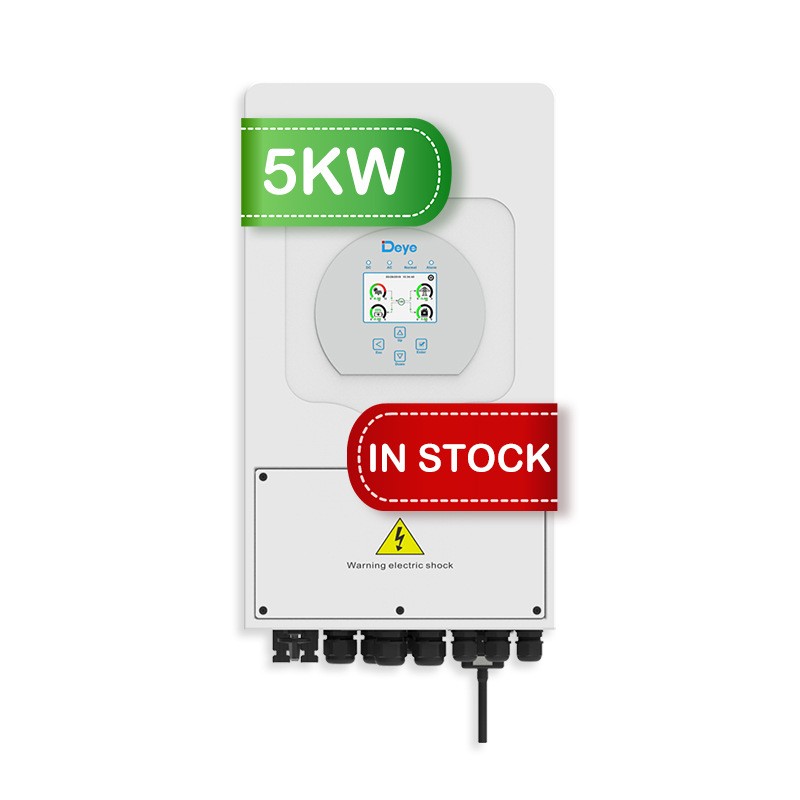
An off-grid inverter converts stored battery energy into usable household electricity. Solar panels produce direct current, or DC, while most lights, pumps, and appliances use alternating current, or AC. The inverter manages this conversion without relying on a utility grid. A Deye Off Grid Inverter is often discussed in this context, but the working principle remains similar across properly designed systems.
During daylight, solar energy may power loads and recharge the battery. When clouds pass or evening arrives, the battery supplies DC power to the inverter. Its internal control system then creates stable AC output for connected equipment. Many models also monitor battery voltage, temperature, load demand, and charging conditions. This protection matters when a refrigerator starts suddenly or a water pump draws extra current.
Choosing the right unit requires more than checking its advertised wattage. Measure the starting surge of motors, not only their running power. Check battery voltage compatibility, continuous output, surge capacity, and available charging sources. Installation should include suitable cables, fuses, grounding, and ventilation. A small cable can become dangerously hot.
Real projects are less perfect than spreadsheets suggest. Dust, high temperatures, aging batteries, and cloudy weeks reduce performance. I would leave practical reserve capacity instead of designing for the exact average load. That small compromise can keep essential lighting and refrigeration running when conditions change.
Choosing an off-grid inverter starts with the energy system, not the product label. A small cabin with LED lights and a refrigerator usually needs a pure sine wave inverter. It protects sensitive electronics and reduces unwanted buzzing. Keep the capacity above the refrigerator’s starting surge. A 2,000-watt load may briefly demand twice that power.
High-frequency inverters are compact and efficient for light residential loads. They suit mobile offices, monitoring stations, and small solar cabins. Low-frequency models use heavier transformers. They handle pumps, compressors, and workshop tools better. The extra weight is real. So is the stronger surge performance. In field testing, motor startup often exposes an undersized inverter within seconds.
Battery type also changes the decision. Lithium batteries can deliver strong current, but they need accurate charging communication and voltage limits. Lead-acid systems require wider charging control and careful ventilation. For solar systems with changing sunlight, an inverter with a built-in MPPT controller can simplify installation. Some users search for “Solis Off Grid Inverter” when comparing specifications, but the name matters less than verified efficiency, idle consumption, protection functions, and service documentation. Check those figures.
For water pumping, select a model with generous surge capacity. For telecom equipment, prioritize stable output and remote monitoring. For a whole-house system, confirm phase requirements and generator compatibility. I have seen buyers focus on peak watts and overlook nighttime losses. That mistake can empty a battery before sunrise. Room for improvement remains in every design. Noise, heat, and cable length still deserve practical testing.
| Off-Grid Inverter Type | Typical Architecture | Common Power Range | Battery Voltage | Solar Charging Function | Typical Efficiency | Surge Capability | Best-Suited Energy System | Main Selection Criteria |
|---|---|---|---|---|---|---|---|---|
| Pure Sine Wave Inverter | DC-to-AC inverter producing a low-distortion sine-wave output. | Approximately 300 W to 10 kW for residential and small commercial systems. | 12 V, 24 V, 36 V, 48 V, or higher DC systems. | Usually requires a separate PWM or MPPT solar charge controller unless an integrated charger is included. | Typically 85%–95%, depending on load level and design. | Commonly 2–3 times rated power for a short period, depending on the model. | Homes, cabins, telecommunications equipment, medical devices, computers, pumps, and other sensitive loads. | Check output waveform, continuous power, peak power, idle consumption, transfer time, protection functions, and compatibility with the selected battery. |
| Modified Sine Wave Inverter | Stepped waveform with a simpler switching circuit than a pure sine wave design. | Approximately 150 W to 3 kW, mainly for basic loads. | Most commonly 12 V or 24 V DC. | Normally requires an external solar charge controller. | Typically 80%–90%. | Often 2–3 times rated power, but motor starting performance varies significantly. | Simple lighting, resistive heaters, basic chargers, and non-sensitive appliances where low initial cost is important. | Avoid for motors, audio equipment, laser printers, medical equipment, variable-speed drives, and appliances requiring a clean sine wave. |
| Low-Frequency Transformer-Based Inverter | Uses a heavy low-frequency transformer for voltage conversion and electrical isolation. | Approximately 1 kW to 20 kW or more, depending on the system design. | Typically 24 V, 48 V, or higher DC systems. | May include an AC battery charger and can be paired with an external MPPT controller. | Typically 85%–93%; standby consumption is often higher than high-frequency designs. | Strong motor-starting capability, often 2–5 times rated power for short periods. | Water pumps, refrigerators, compressors, workshop tools, agricultural equipment, and systems with high inrush currents. | Evaluate transformer capacity, thermal management, weight, no-load consumption, overload duration, and short-circuit protection. |
| High-Frequency Inverter | Uses high-frequency switching components and a smaller transformer or transformerless conversion stage. | Approximately 500 W to 10 kW for portable, residential, and light commercial systems. | Commonly 12 V, 24 V, or 48 V DC; 48 V is preferred for higher power because it reduces DC current. | Often available with an integrated PWM or MPPT solar charge controller. | Typically 90%–97% under suitable operating conditions. | Usually lower than low-frequency designs; commonly 1.5–3 times rated power. | Portable power stations, small homes, mobile systems, emergency backup, and installations where low weight and compact size matter. | Check surge rating, cooling design, switching noise, electromagnetic compatibility, repairability, and performance at low battery voltage. |
| Off-Grid Hybrid Inverter | Combines an inverter, battery charger, transfer switch, and often a solar charge controller in one unit. | Approximately 1 kW to 15 kW per unit; multiple units may be paralleled for larger systems. | Usually 24 V or 48 V for residential and commercial applications. | Normally includes an MPPT controller with a specified PV voltage and current limit. | Typically 90%–97% in inverter mode; charging efficiency depends on battery and charging stage. | Commonly 2–3 times rated power for several milliseconds to several seconds, depending on the product. | Solar-plus-storage homes, remote businesses, farms, backup systems, and microgrids with generator or grid input. | Compare PV input voltage range, maximum PV power, MPPT voltage range, AC input limits, generator support, parallel operation, operating modes, and monitoring functions. |
| MPPT Solar Inverter-Charger | Off-grid inverter integrated with maximum power point tracking and battery charging control. | Approximately 1 kW to 12 kW per unit. | Most commonly 24 V or 48 V; high-power systems generally use 48 V or a higher battery voltage. | Integrated MPPT charging continuously adjusts PV operating voltage to harvest available solar power efficiently. | Typically 90%–98% for the PV-to-battery charging path, depending on irradiance and operating voltage. | Depends on the inverter stage; commonly 2–3 times rated output for short durations. | Solar-dominant homes, remote monitoring stations, telecommunications sites, agricultural systems, and fuel-saving hybrid systems. | Check MPPT tracking range, maximum PV open-circuit voltage, maximum PV short-circuit current, cold-weather voltage margin, and independent MPPT inputs. |
| Three-Phase Off-Grid Inverter | Three synchronized inverter outputs provide a three-phase AC supply for balanced and motor-driven loads. | Approximately 5 kW to 100 kW or more using multiple units. | Commonly 48 V for smaller systems; higher-voltage battery banks may be used in larger commercial installations. | May include integrated MPPT inputs or operate with separate solar inverters and charge controllers. | Typically 92%–98%, depending on system size and load. | Designed for three-phase motor starting, but actual surge performance depends on phase balance and control settings. | Commercial buildings, workshops, irrigation pumps, cold storage, manufacturing equipment, and remote microgrids. | Verify phase sequence, phase-load imbalance limits, motor-starting capacity, parallel and stacking capability, generator synchronization, and protection coordination. |
| High-Voltage Battery Off-Grid Inverter | Inverter designed for battery banks operating above the voltage range of conventional 12 V, 24 V, or 48 V systems. | Approximately 5 kW to 50 kW or more, depending on the battery architecture. | Often several hundred volts DC; exact limits must match the battery management system. | May include high-voltage MPPT inputs or connect to a separate DC-coupled or AC-coupled solar system. | Typically 94%–98% under rated operating conditions. | Varies by design; motor loads require confirmation of both inverter surge capacity and battery discharge capability. | Large residential systems, commercial energy storage, industrial microgrids, and installations requiring lower battery current and smaller DC conductors. | Confirm battery communication protocol, insulation monitoring, pre-charge requirements, maximum DC voltage, isolation protection, installer qualifications, and applicable electrical codes. |
Typical values are provided for product-selection comparison only. Actual performance depends on inverter design, ambient temperature, battery chemistry, state of charge, load profile, cable losses, and installation conditions. A qualified installer should verify local electrical requirements and relevant safety standards such as IEC 62109 and IEC 62477-1.
A reliable Chinese Off Grid Solar Inverter manufacturer should prove performance beyond a polished catalogue. The IEA PVPS Trends 2024 report recorded more than 1.6 terawatts of global solar capacity by the end of 2023. China contributed about 216.9 gigawatts that year. This rapid growth increases demand, but scale alone does not prove engineering quality.
Look for traceable production and repeatable testing. A dependable factory should document incoming component checks, burn-in testing, thermal cycling, and overload protection. Ask for test reports covering IEC 62109 safety requirements and efficiency measurements based on IEC 61683. Verify the actual battery voltage range, low-temperature charging behavior, surge capacity, and MPPT performance. Field experience matters here. An inverter may operate smoothly in a showroom, then trip repeatedly beside a dusty pump or long cable run.
Service quality is equally important. Reliable manufacturers provide serial-number traceability, firmware control, spare-part planning, and engineers who can explain fault codes clearly. Request failure-rate data, warranty procedures, and references from projects with similar heat, humidity, and load profiles. ISO 9001 certification can indicate controlled processes, but it is not a substitute for inspection. Some suppliers present certificates without explaining test conditions. That deserves questions. Even strong factories can improve documentation, response times, or remote diagnosis. The best evaluation combines factory evidence, independent reports, realistic load testing, and honest answers about limitations.
A reliable Chinese off-grid inverter manufacturer should be assessed through documented safety compliance, independent testing, environmental durability, battery compatibility, after-sales support, and production traceability. The chart shows a practical procurement weighting model rather than company or brand performance data.
When comparing off-grid inverter manufacturers in China, start with efficiency under real loads, not only the advertised peak figure. A unit may show 95% efficiency, yet perform poorly at low household demand. Check weighted efficiency, idle consumption, and performance at 25%, 50%, and 100% load. I also examine independent test reports and certification records. Datasheets alone can be optimistic.
Capacity requires careful calculation. Continuous output must cover refrigerators, pumps, lights, and communication equipment together. Surge capacity matters more for motors and compressors. A 3,000-watt inverter may start a small freezer, but not every pump safely. Review surge duration, battery voltage, and recommended cable size. Undersized cables create heat and wasted energy.
Safety features should include overload, short-circuit, over-temperature, reverse-polarity, and low-voltage protection. Ground-fault protection and clear alarm codes improve maintenance in remote sites. Select an enclosure suitable for dust and moisture, especially in workshops or agricultural areas. During field checks, I look at terminal strength, cooling noise, and heat around connectors. These details are easy to overlook. I once trusted a high efficiency claim without checking idle draw, and the battery drained faster than expected. That experience changed my comparison method. Verify warranty terms, spare-part access, and technical response times before placing a large order.
When evaluating China’s best off-grid inverter manufacturers, buyers should verify certifications before comparing prices. A valid certificate should match the exact model, rated power, input voltage, and production site. Check the certificate number, issue date, expiry date, and testing laboratory. Some certificates look impressive. They may cover a different inverter series. Ask for the complete report, not a cropped image.
For electrical safety, look for testing against IEC 62109-1 and IEC 62109-2. These standards examine insulation, abnormal operation, temperature rise, and protection against electric shock. IEC 61000-series reports help confirm electromagnetic compatibility. IEC 61683 efficiency testing can support energy-loss claims. An IP rating under IEC 60529 matters in dusty or damp rooms. The rating should fit the enclosure, cable glands, and installation method.
For quality reliability, review ISO 9001 certification and confirm that it covers inverter manufacturing. Reports from an ISO/IEC 17025-accredited laboratory carry stronger technical weight. For specific markets, check applicable conformity marks and national requirements. Do not assume one mark permits global sales. Request factory audit records, serial-number traceability, burn-in data, and warranty failure statistics. No checklist is perfect. In practical purchasing reviews, buyers sometimes trust a logo too quickly. A certificate is evidence, not a guarantee. Also inspect sample units, firmware versions, surge protection, battery communication, and low-temperature performance. Testing often reveals weaknesses paperwork misses.
Choosing among China’s best off-grid inverter manufacturers requires more than comparing factory quotes. The IEA PVPS Trends 2024 report recorded about 456 GW of new solar capacity worldwide in 2023. That scale increases competition, but it also creates uneven quality. Compare total ownership cost, including shipping, commissioning, replacement parts, and technician time. A cheaper unit may become expensive after one failed control board.
Customization should be measured with engineering evidence. Ask for load profiles, surge calculations, operating temperature limits, and protection settings. An Off Grid Solar Inverter Without Battery may suit special applications, but only when its control logic matches the solar array and connected loads. Request wiring diagrams and a sample test report. Small details matter. Confirm communication protocols, generator integration, enclosure ratings, and firmware update procedures. I would not accept “custom” as a sales adjective without drawings or test records.
Warranty terms deserve careful reading. Check coverage length, exclusions, labor responsibility, and the location of spare parts. IEC 62109 safety compliance and ISO 9001 production controls can support credibility, but certificates do not replace field references. IRENA’s Renewable Power Generation Costs in 2023 report placed global utility-scale solar costs near USD 0.044 per kWh, showing why reliability affects long-term value. Ask for response-time commitments, remote diagnostics, and local service contacts. Support promises can sound excellent. Written escalation rules are better. Even experienced buyers sometimes overlook battery compatibility and standby consumption, which can weaken real-world performance.
Choosing a China-based off-grid inverter manufacturer should begin with evidence, not catalog promises. IRENA reported 473 GW of renewable capacity added globally in 2023, showing how quickly power-conversion equipment is entering demanding markets. Ask each manufacturer for model-specific efficiency curves, battery compatibility data, and protection test records. A polished brochure is not enough.
Visit the factory, if possible. Watch how technicians assemble transformers, tighten terminals, and record end-of-line tests. Request production traceability for the exact inverter series. ISO 9001 certification helps, but it does not prove field reliability. Check independent laboratory reports against relevant IEC safety and electromagnetic-compatibility requirements. Also inspect warranty terms, spare-part stock, remote diagnostics, and response times. These details matter when a freezer stops during a remote winter night.
Study real operating references in similar climates. NREL research has repeatedly shown that heat, dust, and poor installation can accelerate photovoltaic-system degradation. Therefore, ask for thermal derating curves and enclosure protection ratings, not only peak efficiency. IEA’s Renewables 2024 analysis expects global renewable capacity to expand by about 5,500 GW between 2024 and 2030. Demand may rise, but hurried quality control remains a risk. I would compare at least three audited suppliers and run a small pilot order. That costs more initially. It can expose weaknesses before a container reaches the field. Availability claims should be tested, too. A factory may promise ten-day delivery, yet critical components could still depend on uncertain upstream supply.
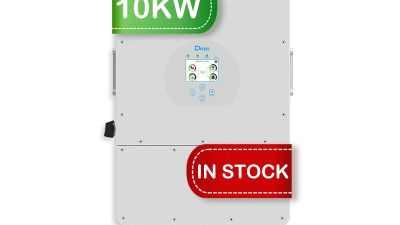
China-made 10kW three-phase hybrid inverters are becoming an attractive option for households, farms, and small businesses seeking greater control over energy costs and supply. Reflecting trends highlighted by the IEA and Wood Mackenzie, rising solar deployment, battery adoption, and demand for grid flexibility are increasing interest in reliable systems that can manage multiple energy sources. A commercial-grade 10,000W continuous output supports substantial loads, while efficiency rates of up to 98.2% help reduce conversion losses during daily operation.
These hybrid inverters feature advanced MPPT tracking to optimize solar production under changing sunlight conditions and support high-voltage battery storage for improved self-consumption. Their three-phase design is well suited to large residences, agricultural facilities, workshops, and small commercial buildings with balanced power requirements. IP66 protection adds resistance to dust and water, making the equipment appropriate for demanding indoor or outdoor installations when correctly mounted and maintained.
Sourcing directly from established Chinese factories can provide access to competitive pricing, scalable procurement, and configurable solutions for different project requirements. Buyers should assess battery compatibility, monitoring functions, communication protocols, certification, warranty coverage, and the availability of local technical support before purchasing. Full manufacturer warranties and dependable after-sales service can further simplify installation, commissioning, troubleshooting, and long-term maintenance.
: A pure sine wave inverter suits LED lights, refrigerators, and sensitive electronics. Keep capacity above the refrigerator’s starting surge.
Motors and compressors may briefly demand twice their running power. Peak watts alone can mislead.
Yes. They are compact and efficient for small cabins, mobile offices, and monitoring stations.
Choose one for pumps, compressors, and workshop tools. Its transformer adds weight but usually improves surge handling.
Lithium batteries need accurate charging communication and voltage limits. Lead-acid batteries need wider charging control and careful ventilation.
A built-in MPPT controller can simplify changing solar input. Confirm its voltage range matches the solar array.
Request load profiles, surge calculations, wiring diagrams, temperature limits, and sample test reports. “Custom” should include engineering evidence.
Compare shipping, commissioning, spare parts, repairs, and technician time. A cheaper unit may cost more after one control-board failure.
Check coverage length, exclusions, labor responsibility, spare-part locations, response times, and escalation rules. Read the exclusions.
Test noise, heat, cable length, standby consumption, battery compatibility, and nighttime losses. I would still retest after installation.
Choosing the right Off Grid Inverter is essential for building a stable and efficient independent energy system. This article explains how off-grid inverters convert and manage power from solar panels, batteries, and other energy sources, while comparing suitable inverter types for homes, farms, remote facilities, and small commercial applications. It also highlights how to assess power capacity, conversion efficiency, waveform quality, battery compatibility, overload protection, temperature control, and other safety features.
When selecting a Chinese manufacturer, buyers should examine production experience, technical capability, quality management, and product testing procedures. Important certifications and compliance standards should be verified according to the target market. The article also discusses how to compare pricing, customization options, warranty terms, spare-parts availability, communication, and after-sales support. By evaluating technical performance, documented quality, delivery reliability, and long-term service together, buyers can identify a suitable manufacturer and reduce operational risks.