DAWNICE
14 years of production experience

To Strive Forward No Energy Waste

Leave Your Message
0%

Choosing a reliable domestic solar battery manufacturer isn’t just about comparing advertised capacity — there’s a lot more to think about. For buyers around the world, it’s really important to look into things like the chemistry of the cells, how consistently they’re produced, warranty details, and their experience in exporting. All these factors can impact safety, how long it takes to install, and your long-term savings on energy.

Big names in China like BYD, CATL, EVE Energy, Gotion High-Tech, and Pylontech each serve different market needs. Some are geared towards large-scale commercial storage solutions, while others make modular batteries suitable for homes or small businesses. Many of these products use lithium iron phosphate chemistry, which is known for good thermal stability and a long cycle life. But, here’s the thing — quality can vary a lot depending on the model, the factory, or even the regional distributor, so don’t just assume a brand is always top-notch.

When you’re shopping, pay close attention to the usable capacity, continuous power output, the battery management system, and all the safety features. It’s also smart to ask if they can provide test reports, support with firmware updates, spare parts, and clear warranty processes. An experienced installer can help double-check whether the battery’s compatible with your inverter and local grid conditions — doing this early on can save you from some costly surprises down the line.

Honestly, the real proof is in the actual projects; brochures and marketing stuff only tell part of the story. Make sure to ask for recent references, production audits, and shipment records. But keep in mind — just because a manufacturer was highly rated last year doesn’t mean it will stay that way. Suppliers can change their partners, pricing, or export policies pretty quickly, so it’s worth staying updated. Certifications like UN 38.3, IEC standards, and regional compliance docs can boost your confidence, but don’t rely solely on them — it’s always wise to verify independently.

This guide walks through some of the top domestic solar battery manufacturers based on practical buyer-friendly criteria. We look at their technology, reliability, service support, and international reach. No one’s perfect, of course, so taking the time to do your homework before signing any contracts or planning a big setup is really crucial.
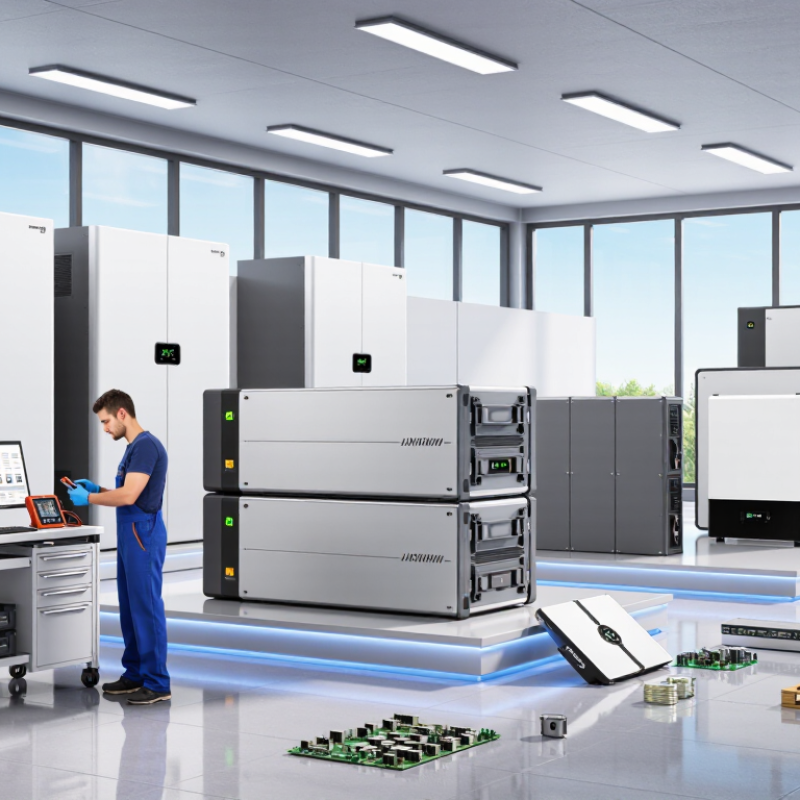
Top Domestic Solar Battery Manufacturers for Global Buyers

Defining Domestic Solar Battery Manufacturers and Their Global Role

Domestic solar battery manufacturers are companies that design, assemble, or produce storage systems within a defined national market. The term is not always precise. Some source battery cells abroad, then complete module assembly, software integration, and safety testing locally. Others manufacture cells, racks, inverters, and monitoring equipment through one domestic supply chain. For global buyers, the key question is not location alone. It is the depth of local production and documented quality control.

These manufacturers support homes, farms, commercial sites, and microgrids needing energy after sunset or during outages. A credible supplier should provide cycle-life data, usable capacity, temperature ranges, warranty conditions, and maintenance procedures. Factory experience matters here. Engineers who test batteries in cold rooms, inspect busbar connections, and review management alarms understand problems brochures often miss. Yet published figures can differ from field results. Buyers should request independent test reports and installation references.

Their global role extends beyond exporting finished cabinets. Domestic producers can adapt enclosures, communication protocols, and grid settings for different markets. They may also shorten service response times through regional technicians and spare-parts inventory. This value is not automatic. A supplier may promise global support without trained partners near the project. Ask who replaces a failed module, protects remote data, and manages recycling at end of life. Field data can disappoint. Buyers should examine shipping damage procedures, currency exposure, and long-term software support.

Mapping the Main Types of Solar Batteries and Storage Systems

Top Domestic Solar Battery Manufacturers for Global Buyers

Solar storage systems differ by chemistry, voltage, connection method, and operating environment. Lead-acid batteries remain familiar and affordable, but they need ventilation, regular maintenance, and deeper installation space. They also lose usable capacity faster under frequent cycling. Lithium-ion systems are more compact and efficient. Within this group, lithium iron phosphate cells usually offer strong thermal stability and long cycle life. Nickel-based cells can provide higher energy density, yet they demand careful temperature and protection controls.

Flow batteries use liquid electrolytes stored in external tanks. They suit large installations requiring long discharge periods, although their pumps and larger footprint complicate smaller projects. Buyers should also compare low-voltage and high-voltage systems. Low-voltage designs can simplify residential servicing. High-voltage systems often reduce current losses in larger installations, but they require stricter electrical integration.

The connection architecture matters as much as chemistry. AC-coupled storage can be added to an existing solar array with fewer changes. DC-coupled systems may capture more solar energy before conversion losses occur. Hybrid units combine battery management, inverter functions, and monitoring in one cabinet. Convenient, but replacement options may be limited. A reliable supplier should provide cycle-test data, usable-capacity figures, temperature limits, warranty conditions, and independent safety documentation. Ask how the system performs at five degrees Celsius, not only in ideal laboratory conditions. Specifications can look polished. Site reality is less forgiving.

Evaluating Leading Domestic Manufacturers by Product Capabilities

Domestic solar battery manufacturers are increasingly judged by measurable product capabilities, not factory size alone. Global buyers should inspect cell quality, usable capacity, cycle life, and thermal controls. A 5 kWh unit may suit evening lighting, refrigeration, and network equipment, but household loads vary. Ask for tested capacity at the stated temperature and discharge rate. Marketing figures can look generous.

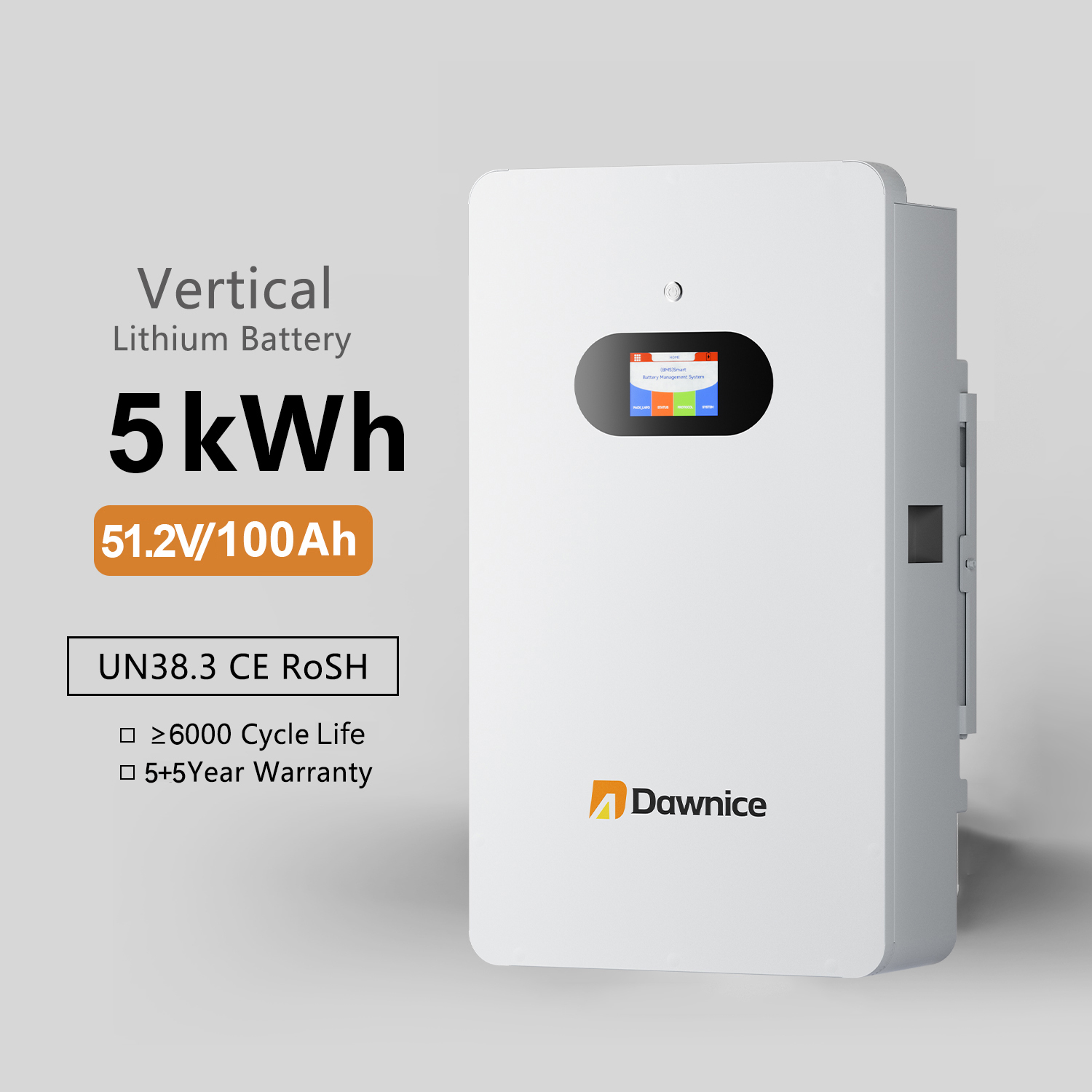
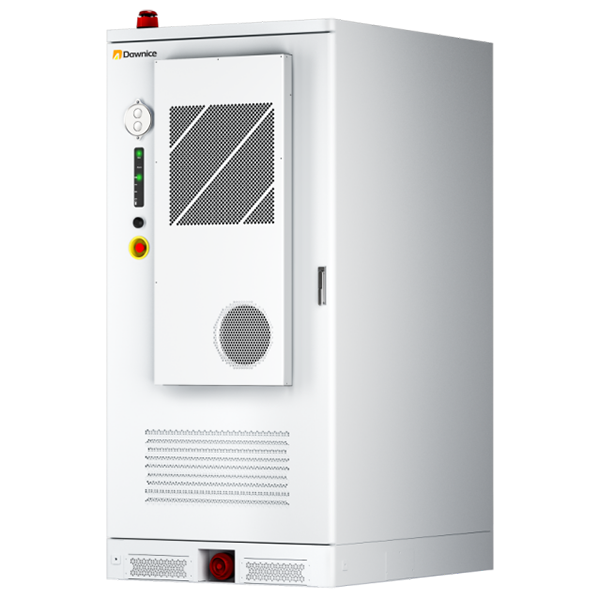
The Dawnice 5kWh Lithium Battery Home Solar Energy Storage System highlights the specifications buyers should examine closely. Check nominal and usable energy, continuous output, peak power, and inverter compatibility. Lithium iron phosphate cells can improve thermal stability and service life when the battery management system is properly configured. Request protection data for overcharge, over-discharge, short circuit, and temperature events. Also verify enclosure ratings, operating temperatures, and installation clearances. Small details matter.

Reliable domestic manufacturers provide traceable test reports, serial records, firmware procedures, and responsive technical support. Their warranties should explain capacity retention, service conditions, and replacement handling. Ask whether remote monitoring works with local networks and settings can be adjusted safely. Field experience often reveals issues brochures omit, including noisy cooling, delayed communication, or difficult commissioning. I would not approve a supplier after one sample alone. Repeated testing is slower, but it exposes inconsistencies before shipment.

Top Domestic Solar Battery Manufacturers for Global Buyers

Evaluating leading domestic manufacturers by product capabilities. The chart uses representative, publicly published specification benchmarks for lithium iron phosphate (LFP) energy-storage systems rather than company- or brand-specific data.

Typical benchmark values: round-trip efficiency of approximately 95%, usable depth of discharge near 95%, end-of-warranty capacity retention around 70%, and system availability near 98%. Actual specifications vary by system design, operating conditions, and warranty terms.

Comparing Battery Chemistry, Performance, Safety, and Lifespan

For global buyers, battery chemistry is the clearest starting point, but not the whole decision. Lithium iron phosphate (LFP) usually offers strong thermal stability and a long cycle life. It suits daily solar storage in homes and small commercial sites. Nickel manganese cobalt (NMC) can provide higher energy density, which helps where installation space is limited. However, its thermal management demands closer engineering attention. Lead-acid systems remain familiar and sometimes cost-effective. Their heavier weight and lower usable depth of discharge can reduce practical value.

Performance should be checked through usable capacity, round-trip efficiency, charging speed, and inverter compatibility. A battery rated at 10 kilowatt-hours may deliver less energy after reserve limits and conversion losses. Ask manufacturers for test conditions, not only headline figures. Safety depends on cell quality, enclosure design, thermal sensors, and battery management software. Independent testing against recognized international standards adds credibility. Site conditions matter too. A battery installed in a hot, poorly ventilated room may age faster than laboratory data suggests.

Lifespan claims require careful reading. Cycle ratings often assume controlled temperature, moderate current, and a specific depth of discharge. Real homes experience cloudy weeks, sudden loads, and irregular charging. Request capacity-retention data, warranty terms, service procedures, and replacement-part availability. Factory audits and sample testing can reveal consistency between production batches. Yet no document removes every risk. Even experienced buyers can overvalue price or efficiency while overlooking installer training and remote monitoring. That is an uncomfortable, but useful, limitation.

Reviewing Certifications, Quality Control, and Export Readiness

A reliable domestic Solar Battery manufacturer should provide more than attractive specifications. During supplier reviews, check certificates against the exact model, cell type, and production site. Relevant evidence may include IEC 62619, IEC 62133-2, UN 38.3, and market-specific safety approvals. A certificate alone can mislead. Its validity, testing laboratory, and scope require careful verification.

Quality control becomes visible in factory records. Ask how incoming cells are graded, matched, and stored. Review battery management system tests, insulation checks, thermal testing, and end-of-line capacity results. Traceability should connect each battery to a batch number and inspection report. Physical details matter, too: clean busbar welds, firm terminals, readable labels, and sealed cartons. Some suppliers still provide incomplete data. That weakness deserves a written corrective plan.

Tips: Request recent test reports, sample serial numbers, and a factory audit before ordering. Confirm export packaging, dangerous-goods documentation, safety data sheets, manuals, warranty terms, and customs information. Check whether the supplier can support your destination’s voltage, grid rules, and recycling requirements. Small omissions can delay a container. A pre-shipment inspection is inexpensive protection, although it cannot replace ongoing quality monitoring.

Assessing Pricing, Supply Capacity, Warranties, and After-Sales Support

For global buyers, a Solar Pv Battery quote is only the opening number. BloombergNEF’s 2024 Battery Price Survey placed average lithium-ion pack prices at $115 per kWh, down 20% year on year. Factory pricing still varies with cell grade, order volume, Incoterms, and certifications. Ask for a line-item quotation. It should separate cells, inverter, enclosure, freight, commissioning, and spare parts. Supply capacity also needs proof. Review monthly output, confirmed lead times, loading records, and quality-control staffing. A large annual claim means little if your 500-unit order waits behind larger contracts.

Tips: Compare usable, not nominal, capacity. Request a five-year degradation curve and round-trip efficiency at 25°C. Warranty language deserves forensic attention. Check whether cycle counts have throughput limits. Confirm if labor, shipping, and replacement units are included. Wood Mackenzie’s 2024 Global Energy Storage Outlook forecasts a fifteen-fold market expansion by 2030, but rapid growth can strain service networks. Ask for regional repair stock, remote diagnostics, response times, and escalation contacts. Test the support process before signing.

A credible supplier provides serial-level traceability, installation manuals, firmware procedures, and incident reporting. The IEA reported that global battery storage additions reached 42 GW in 2023, nearly doubling from 2022. That momentum improves availability, yet it can encourage rushed procurement. I would treat unusually cheap offers cautiously. One overlooked detail can erase the saving: a proprietary replacement module, unclear warranty exclusions, or no nearby technician. References from comparable climates matter more than polished factory videos. Pricing is measurable; after-sales reliability is experienced under pressure.

Choosing the Right Domestic Solar Battery Supplier for Global Projects

Choosing a domestic solar battery supplier for a global project requires more than comparing prices. The supplier must understand export procedures, regional grid conditions, and installation practices. Ask for factory audit records, production capacity, and recent project references. A clean workshop matters, but traceable quality records matter more.

Check the battery architecture carefully. A 48v Solar Battery may suit small commercial systems, remote telecom sites, or residential storage. Confirm usable capacity, cycle life, operating temperature, and enclosure protection.

Request test reports for thermal performance, overcurrent protection, and communication compatibility. Some suppliers provide impressive figures without explaining testing conditions. That deserves a second look.

Reliable communication is equally important. During one project, delayed wiring diagrams caused avoidable installation changes. The supplier later improved its document process, but the mistake still cost time. Ask whether technical staff can support different time zones and languages. Clarify warranty response times, spare-part storage, and replacement procedures before signing. Packaging should protect terminals and connectors during long sea transport. Also review software access, battery monitoring, and firmware update controls. A supplier may be technically strong yet weak in after-sales support. That weakness becomes expensive when hundreds of units operate across several countries.-vesm

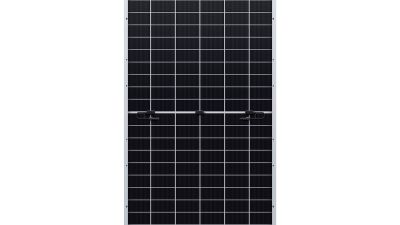
600–620W High-Power Solar Panels: Comparing Jinko, JA, LONGi, Trina, Sungrow & MEIKE

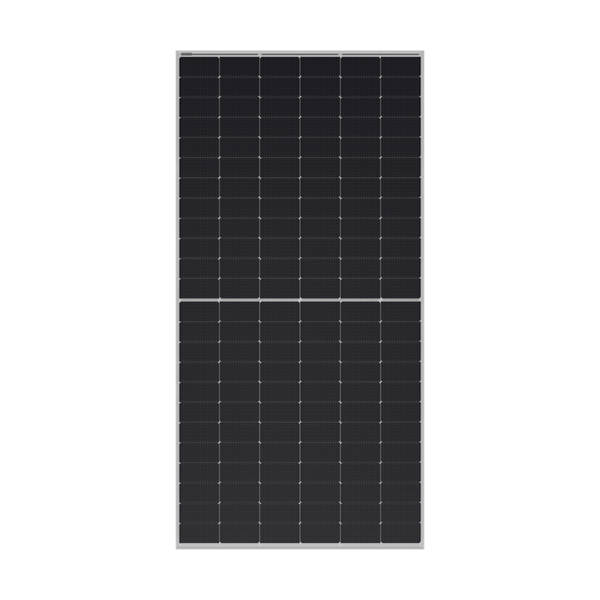
High-power solar panels in the 600–620W range are designed for projects that require strong output from a limited installation area. Built with large-format G12 wafers and advanced multi-busbar technology, these modules can reach efficiencies of up to 22.4%, helping commercial rooftops and utility-scale ground-mount systems generate more electricity with fewer panels. Their low-voltage design also supports efficient system planning and simplified installation.

For demanding solar applications, these modules offer a practical balance of performance, durability, and compatibility. Enhanced anti-hotspot protection helps maintain safe operation under challenging conditions, while 1500V system compatibility supports modern large-scale photovoltaic designs and can reduce balance-of-system costs. The 600–620W range is particularly suitable for projects seeking higher power per module without compromising long-term reliability.

Customers can select from a portfolio supplied by established global manufacturers, with each panel supported by comprehensive manufacturer warranties and responsive local technical assistance. This combination of high efficiency, robust construction, and dependable service makes the range suitable for commercial energy projects, industrial facilities, and utility-scale solar installations.

FAQS

What product capabilities should buyers compare in domestic solar batteries?

Compare cell quality, usable capacity, cycle life, thermal controls, and output power. Factory size alone proves little. Test the details.

Is a 5 kWh battery suitable for every household?

Not necessarily. It may support evening lights, refrigeration, and network equipment. Actual suitability depends on household demand and discharge conditions.

Which capacity figures should buyers request?

Request nominal and usable energy at a stated temperature and discharge rate. Marketing figures may appear generous. Verify tested results.

What technical protections should a battery include?

Check protection against overcharge, over-discharge, short circuits, and abnormal temperatures. Review enclosure ratings, operating temperatures, and installation clearances.

How can buyers assess battery management quality?

Ask for battery management system tests, insulation checks, thermal results, and end-of-line capacity records. Firmware procedures should be clear. Small gaps matter.

Which certificates and records require verification?

Match each certificate with the exact model, cell type, and production site. Confirm validity, testing laboratory, and certification scope. A certificate alone is insufficient.

What factory quality-control details should buyers inspect?

Review cell grading, matching, storage, busbar welds, terminal strength, labels, and carton sealing. Traceability should connect every battery with its batch and inspection report.

What export documents and support should a supplier provide?

Confirm packaging records, safety data sheets, manuals, warranty terms, customs information, and destination-grid compatibility. Check local network monitoring and recycling requirements. Missing paperwork causes delays.

Is one sample enough for supplier approval?

No. Repeated testing can reveal inconsistent capacity, noisy cooling, delayed communication, or difficult commissioning. I would still hesitate after one sample.

What should happen before shipment?

Request recent test reports, sample serial numbers, a factory audit, and pre-shipment inspection. Inspection helps, but ongoing quality monitoring remains necessary. No shortcut.

Conclusion

Domestic Solar Battery manufacturers play an important role in helping global buyers access dependable energy storage for homes, businesses, and renewable energy projects. This article explains the main battery types and storage systems, including differences in chemistry, capacity, efficiency, safety, cycle life, and operating conditions. It also outlines how to evaluate manufacturers according to product range, system integration, quality control, certifications, testing procedures, and export readiness.

For international projects, product performance is only one part of the decision. Buyers should also compare pricing, production capacity, delivery reliability, warranty terms, technical documentation, installation guidance, and after-sales support. A suitable supplier should be able to provide consistent quality, scalable production, clear communication, and solutions matched to local grid requirements and project goals. By reviewing these factors together, global buyers can select a Domestic Solar Battery supplier that offers reliable long-term value, supports efficient project deployment, and reduces operational and maintenance risks.
Sophia

Sophia

Sophia is a dedicated marketing professional with a deep understanding of energy storage technology and its vital role in achieving a sustainable future. With a strong commitment to promoting safe and efficient solutions, she ensures that every battery system not only meets performance standards......
Previous 7 Best Solar Tubular Batteries for Home Use