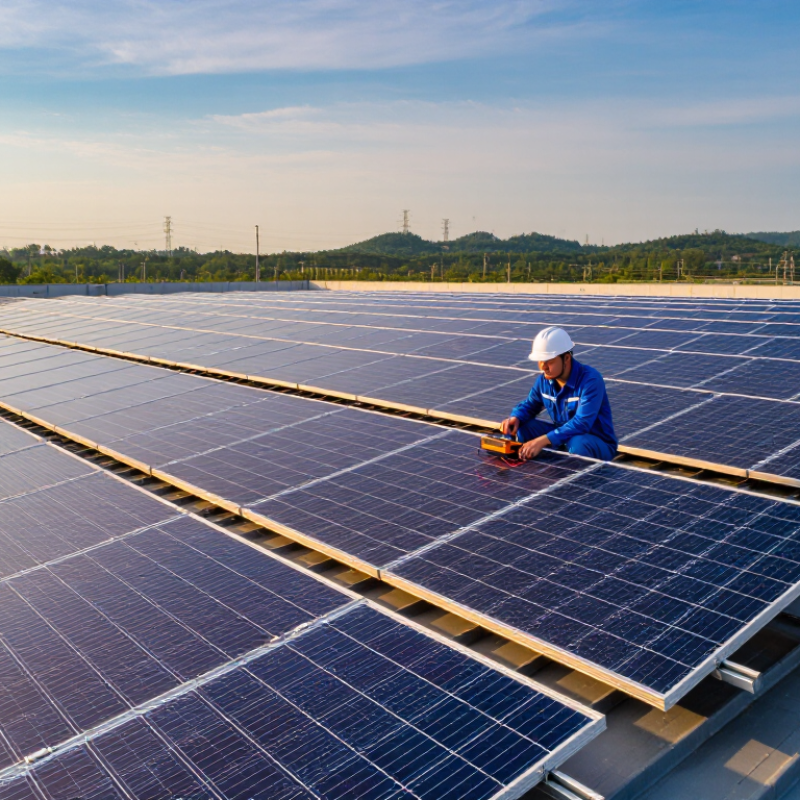
Picking out a solar panel system isn’t just about helping the environment anymore. For folks around the world, it’s more like a practical choice—thinking about energy costs, reliability, how the climate plays into it, and what kind of long-term value you’re really getting.
A good system that’s properly designed can help you cut down on relying on unpredictable grid prices. Plus, it’s a real game-changer for farms, warehouses, homes, or remote businesses where reliable electricity isn’t always a given. But here’s the thing—how well your panels perform isn’t just about how much sunlight they see. Things like roof direction, temperature swings, dust, shading, local rules, and how well everything’s installed all come into play. A panel that works like a champ in California might need a totally different setup if you’re in Kenya or Norway.
Details really do matter.
When shopping around, it’s smart to compare efficiency ratings, temperature coefficients, warranties, and what kind of degradation you can expect over time. Make sure to check certifications and pick installers who have a solid track record. A cheap price can sometimes turn into a real headache down the line if replacement parts or support aren’t available—something lots of people forget to think about.
Abigail Ross Hopper, who’s the President and CEO of the Solar Energy Industries Association, once said, “Solar is one of the fastest-growing sources of energy in the world.” It’s true that the market is booming, but just because it’s growing doesn’t mean you’re automatically making a smart choice.
Let’s be real—no solar panel is perfect.
Even top-of-the-line equipment can be affected by cloudy days, dirt buildup, aging, or a few bugs. When you’re making a decision, don’t just buy into impressive marketing stories—look at real-world production estimates. Independent reviews, transparent company info, and clear policies on after-sales support can really make a difference. And keep in mind, there’s always some level of uncertainty—conditions can change, and your savings might not match your expectations.
The best option? It’s a mix of proven technology, expert design, responsible suppliers, and realistic expectations. Solar energy has huge potential to make a difference, but doing your homework is key to making a good investment and truly benefiting from it.
Solar PV’s Global Role: 1.4 TW of Capacity Installed by 2023 (IRENA)
Solar PV’s Global Role: 1.4 TW of Capacity Installed by 2023 (IRENA)
Solar power has become a practical energy choice for buyers across diverse markets. IRENA’s Renewable Capacity Statistics 2024 recorded 1,419 GW of global solar PV capacity by the end of 2023. This was the largest renewable capacity base worldwide. It was not a forecast. It represented installed projects, visible rooftops, utility fields, and operating equipment.
That scale supports stronger supply chains and more familiar installation practices. A Solar Panel 700w can produce substantial output in suitable sunlight, but wattage alone is not enough. Temperature, shading, mounting angle, and inverter design affect daily generation. Buyers should request tested performance data, not rely on attractive labels. The International Energy Agency also identifies solar PV as a major driver of recent renewable expansion.
In practical terms, global adoption creates useful experience. Engineers can compare performance across hot deserts, humid coasts, and colder inland regions. However, capacity statistics can hide uneven results. Some projects face grid delays, dust losses, or weak maintenance planning. That detail matters. A well-designed system may deliver more dependable energy than a larger system installed without local assessment. Buyers should examine degradation figures, safety certifications, installation records, and long-term service arrangements before committing. The numbers are impressive, but the site still decides the outcome.
Falling Costs: Utility-Scale Solar at $24–96/MWh (Lazard 2024)
Utility-scale solar became a serious cost contender as equipment prices and project financing improved. The 2024 Levelized Cost of Energy analysis places utility-scale solar between $24 and $96 per MWh. That range equals $0.024–$0.096 per kWh before site-specific adjustments. It is wide. Local sunlight, land, grid access, and financing can change the result sharply. The International Renewable Energy Agency reported a global weighted-average solar photovoltaic cost of about $44 per MWh in 2023. This figure was approximately 90% lower than in 2010.
For global buyers, falling generation costs can improve long-term electricity planning. A 600-watt module may produce strong output, but panel rating alone does not determine project value. Temperature, shading, inverter losses, and installation quality matter. Solar Panel 600w systems also need suitable roof space or mounting structures. A single dusty surface can reduce daily production. Small details become expensive across thousands of panels. The International Energy Agency continues to identify solar photovoltaics as one of the lowest-cost new electricity sources in many markets. Still, cost reports use assumptions. They may not reflect curtailment, transmission upgrades, import duties, or weak local maintenance. Buyers should request site-specific yield studies, degradation estimates, and realistic financing scenarios. Cheap energy on paper can disappoint in the field.
Energy Yield and Lifespan: Panels Typically Degrade About 0.5% Yearly (NREL)
For global buyers, solar value depends on energy delivered over decades, not only rated wattage. A Solar Panel 550w can look impressive on a specification sheet. Yet its lifetime yield depends on sunlight, temperature, installation quality, and maintenance. NREL reports a typical degradation rate of about 0.5% per year for many crystalline-silicon modules. That figure is a useful planning reference, not a promise for every project.
After ten years, a panel operating near that rate may produce roughly 95% of its original output. After twenty-five years, the simple calculation reaches about 88%. Actual results can differ. Dust on a dry roadside array, repeated heat cycles, shading, and poor drainage may reduce production faster. In field assessments, yield estimates often become too optimistic when they ignore afternoon shadows from nearby structures. Small details matter.
Buyers should compare degradation warranties, temperature coefficients, test conditions, and installation records. Ask for measured operating data, not just laboratory figures. A panel lasting 25 years still needs a sound roof and accessible wiring. I would question any forecast that assumes perfect cleaning and constant sunshine. Real projects are messier than spreadsheets. Even the 0.5% estimate deserves regular review as climate, maintenance, and site conditions change.
Why Choose Solar Panels for Global Buyers? - Energy Yield and Lifespan: Panels Typically Degrade About 0.5% Yearly (NREL)
| Performance Dimension |
Typical Value |
What It Means for Global Buyers |
| Annual module degradation |
Approximately 0.5% per year |
Solar panels generally lose capacity gradually rather than suddenly. Actual degradation can vary with climate, technology, installation quality, and operating conditions. |
| Estimated retained output after 25 years |
About 88.2% of initial output* |
A well-maintained system can continue producing most of its original energy yield over a typical long-term project period. |
| Estimated retained output after 30 years |
About 86.0% of initial output* |
The gradual decline supports long-term energy planning, although maintenance, inverter replacement, weather, and system design also affect total production. |
| Typical useful service life |
Approximately 25–35 years |
Long service life can spread the initial investment across many years of electricity generation. |
| Annual energy yield |
Roughly 900–1,800 kWh per kWp per year |
Yield depends mainly on solar irradiation, system orientation, tilt, shading, temperature, dust, snow, and electrical losses. Local feasibility studies are essential. |
| Typical solar capacity factor |
Approximately 10%–25% |
This reflects the variable nature of sunlight and differs substantially by location, season, tracking configuration, and system losses. |
| Temperature effect on power |
Typically about −0.3% to −0.4% per °C above the rated cell temperature |
Hot climates may reduce instantaneous output, making ventilation, suitable mounting, and accurate local modeling important. |
| Key factors affecting lifetime yield |
Climate, humidity, wind, hail, snow, salt exposure, dust, shading, and maintenance |
Selecting appropriate designs, installation practices, cleaning schedules, and monitoring systems helps protect long-term performance across different regions. |
Calculation note: *Retained output estimates use compound degradation: (1 − 0.005)n, where n is the number of years. Energy-yield and service-life figures are broad, technology-neutral ranges; actual results depend on site conditions and system design.
Reference: National Renewable Energy Laboratory (NREL), photovoltaic degradation research and reliability assessments; U.S. Department of Energy guidance on photovoltaic system performance.
Climate Benefits: Solar’s Lifecycle Emissions Are Far Below Fossil Fuels (IPCC)
Why Choose Solar Panels for Global Buyers?
Climate performance is solar’s strongest global argument. The IPCC’s Sixth Assessment Report estimates median lifecycle emissions at about 48 grams of CO2-equivalent per kilowatt-hour for solar power. Coal reaches approximately 820 grams, while natural gas reaches about 490 grams. These figures include mining, manufacturing, transport, construction, operation, and decommissioning. The difference remains substantial, even before considering local air pollution.
A Solar Panel 500w module can produce useful electricity for homes, farms, or small businesses, depending on sunlight and installation quality. Its real output changes with heat, dust, shading, inverter losses, and roof direction. Small details matter. A dusty panel is not an efficient panel. The International Energy Agency reports that solar photovoltaic electricity has among the lowest lifecycle emissions of major power technologies. Still, production requires energy, minerals, and industrial chemicals. Recycling systems also remain uneven across markets.
Buyers should examine lifecycle data, product durability, warranty conditions, and end-of-life arrangements. The IPCC notes uncertainty in lifecycle estimates because manufacturing regions and system designs differ. That uncertainty deserves attention. Solar is cleaner, not impact-free. A responsible purchasing decision compares local sunlight, expected electricity demand, transport distance, and future recycling access. Overlooking these details can turn an apparently low-carbon project into a weaker investment.
Global Market Fit: Record Annual PV Growth Confirmed by IEA PVPS Data
Why Choose Solar Panels for Global Buyers?
Global solar demand is no longer a niche trend. It is becoming basic energy infrastructure. The IEA PVPS Trends 2024 report estimates that about 447 GW of photovoltaic capacity was added worldwide in 2023. Cumulative capacity reached roughly 1.4 TW. This record expansion shows strong market fit across homes, factories, farms, and utility projects.
Regional conditions still matter. A rooftop in southern Europe may receive over 1,500 annual sunlight hours. A project in Southeast Asia may face heavier rain, humidity, and salt exposure. Buyers should check temperature coefficients, ingress protection, mechanical load ratings, and local certification requirements. These details affect actual output more than attractive laboratory figures.
The IEA Renewables 2024 analysis expects solar PV to drive most renewable capacity growth through 2030. IRENA’s Renewable Capacity Statistics 2024 recorded more than 345 GW of new solar capacity during 2023. The different figures reflect reporting methods and project coverage. That deserves attention.
Not every panel performs equally in every climate. Heat losses, dust, shading, and weak maintenance can reduce field results. I have seen projections look impressive until a humid site revealed poor cable protection. Buyers should compare measured degradation data, warranty terms, installation records, and independent test results. Long-term reliability is harder to photograph, but it matters more than a perfect brochure.
Buyer Due Diligence: Compare Efficiency, Warranties, Certifications, and Recycling
For global buyers, solar panel due diligence begins with comparable evidence, not attractive efficiency figures.
Request the datasheet, test conditions, temperature coefficient, and annual degradation rate. A panel rated at 23% efficiency may perform differently under heat, dust, or weak sunlight. Compare products under identical conditions, then check independent test reports.
Certification marks should identify recognized safety and performance standards, such as IEC 61215 and IEC 61730.
Still, a certificate alone is not proof of consistent factory quality. Ask for the certificate number, issuing body, scope, and validity date.
Small details matter.
Warranty review deserves equal attention.
Separate the product warranty from the performance warranty, because they cover different risks. Check exclusions for salt mist, installation errors, transport damage, and unauthorized modifications. Confirm who handles claims, where replacement panels are stored, and how labor costs are treated.
A ten-year product warranty may sound strong, but its remedy can be limited.
Recycling requires the same practical care. Ask whether a collection route exists in the destination country and whether recycling fees are included. Keep serial numbers, invoices, and installation records for future traceability.
I would not rely on brochure language alone; real documentation can be incomplete or confusing.
That weakness deserves discussion before payment.
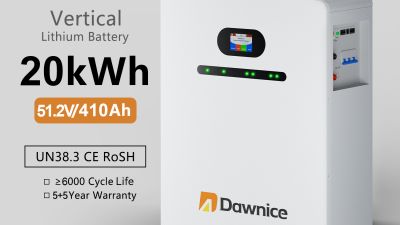
20 kWh Solar Storage Outlook: IEA and BloombergNEF Insights for Dawnice Home & Commercial Systems
The global outlook for solar storage points toward rapid growth in flexible, reliable energy systems as households and businesses seek greater energy independence. Falling battery costs, rising electricity demand, and the expansion of renewable power are making 20 kWh storage an attractive capacity for large homes, workshops, farms, and light commercial facilities. A system in this range can capture excess daytime solar generation and provide dependable power during evening peaks, outages, or periods of limited sunlight.
Designed for these applications, the HZEB-LCT-20 uses durable LiFePO4 battery cells with more than 6,000 cycles at 90% depth of discharge. Its high-efficiency design helps users increase solar self-consumption while reducing dependence on grid electricity. The integrated multi-protocol battery management system supports communication through RS232, RS485, and CAN, enabling compatibility with a broad range of inverter architectures and allowing intelligent monitoring, protection, and energy control.
Manufactured in China, the system offers scalable storage for changing energy needs and supports professional installation in residential and commercial environments. IEC, CE, and UN38.3 certifications contribute to transport and operational confidence, while the IP54 enclosure provides protection against dust and water splashes in suitable indoor or sheltered locations. With advanced safety controls and long-term cycle performance, this 20 kWh platform is suited to customers planning a practical transition toward resilient, solar-powered energy management.
FAQS
Global solar PV capacity reached about 1,419 gigawatts by the end of 2023. This figure represents installed projects and operating equipment. It was not a forecast.
Large-scale adoption creates broader supply chains and more familiar installation methods. Engineers can compare systems in deserts, coastal areas, and cold regions. However, experience does not remove local risks.
No. Wattage alone cannot predict daily energy production. Heat, shading, dust, mounting angle, and inverter design also matter. Request tested performance data before choosing equipment.
Dust can cover the glass and reduce incoming light. High temperatures may lower performance. Poor roof direction, partial shade, and inverter losses also reduce generation. Small details matter.
Solar has estimated median lifecycle emissions of about 48 grams of carbon dioxide equivalent per kilowatt-hour. Coal is about 820 grams, while natural gas is about 490 grams. The gap is substantial.
No. Manufacturing uses energy, minerals, transport, and industrial chemicals. Recycling access also differs between markets. Solar is cleaner, not impact-free.
Check degradation data, safety certifications, installation records, and warranty terms. Review long-term service arrangements and end-of-life plans. A cheap purchase can become expensive later.
Yes, if it has better sunlight, orientation, maintenance, and grid access. A larger system may underperform with dust or poor planning. Bigger is not automatically better.
Electricity demand, sunlight, roof direction, transport distance, and recycling access affect project value. Grid delays can also weaken results. Global statistics cannot describe every site accurately.
Conclusion
Solar panels have become a practical energy solution for buyers worldwide, supported by more than 1.4 terawatts of installed global capacity by 2023. Their costs have continued to decline, with utility-scale solar offering increasingly competitive electricity prices. A quality Solar Panel can provide reliable energy for decades, while typical annual degradation of around 0.5% helps preserve long-term performance. Solar power also produces significantly lower lifecycle emissions than fossil-fuel-based generation, making it an important option for reducing environmental impact.
As photovoltaic markets continue to expand, buyers should evaluate products carefully before making a purchase. Key considerations include conversion efficiency, expected energy yield, product and performance warranties, safety certifications, resistance to local weather conditions, and available recycling solutions. Comparing these factors can help global buyers select systems that deliver dependable output, strong value, and better long-term sustainability.

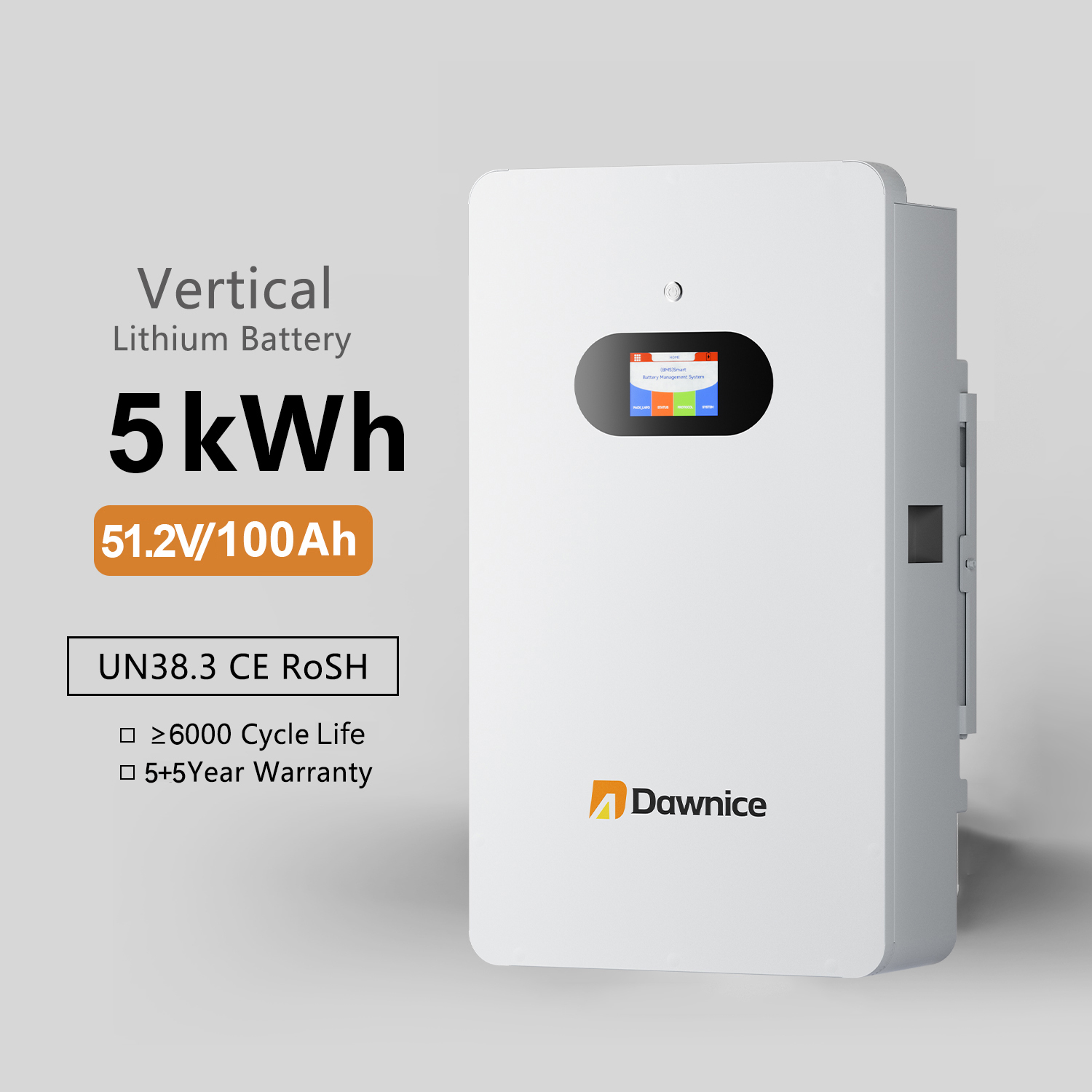 HZEB-LCT-5
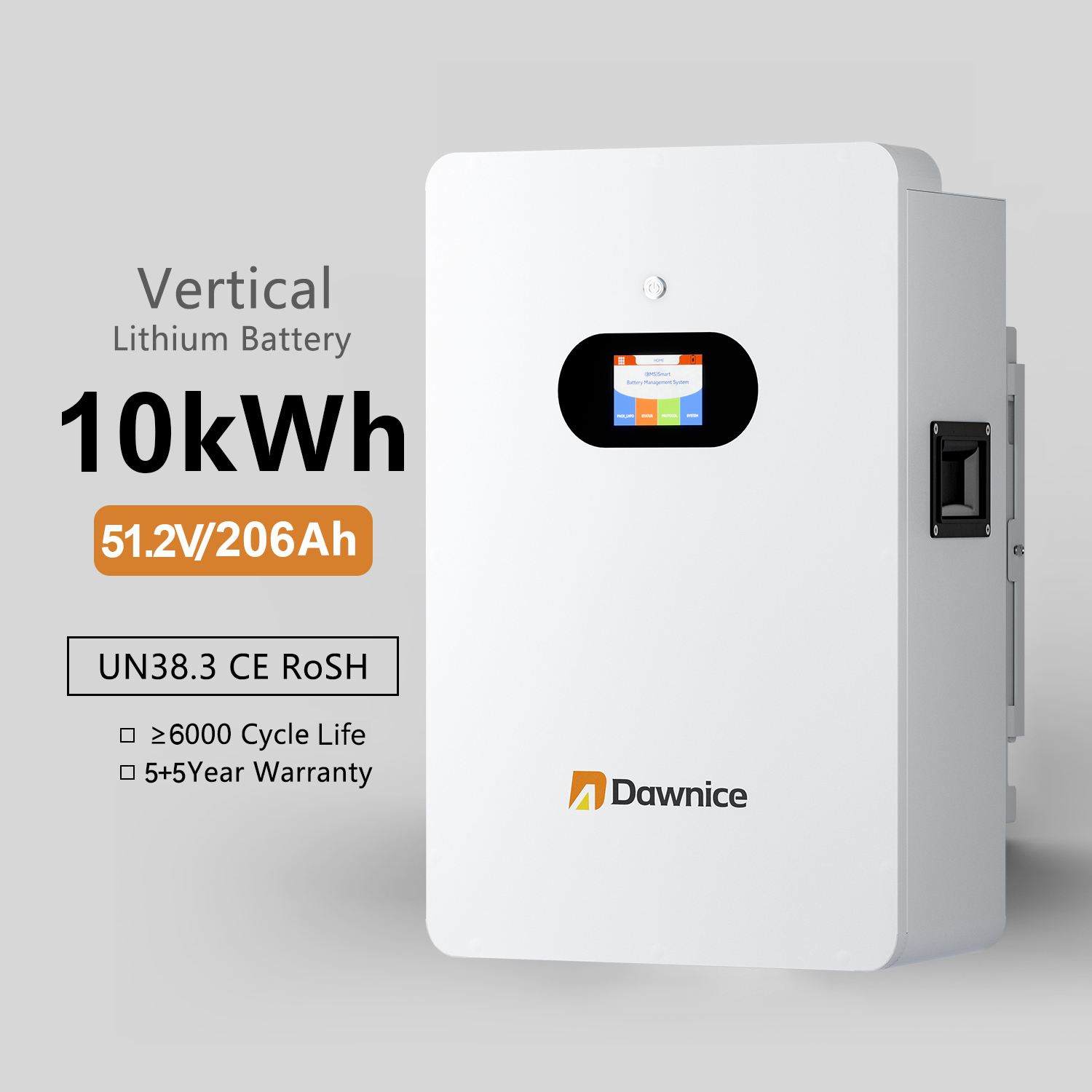 HZEB-LCT-10
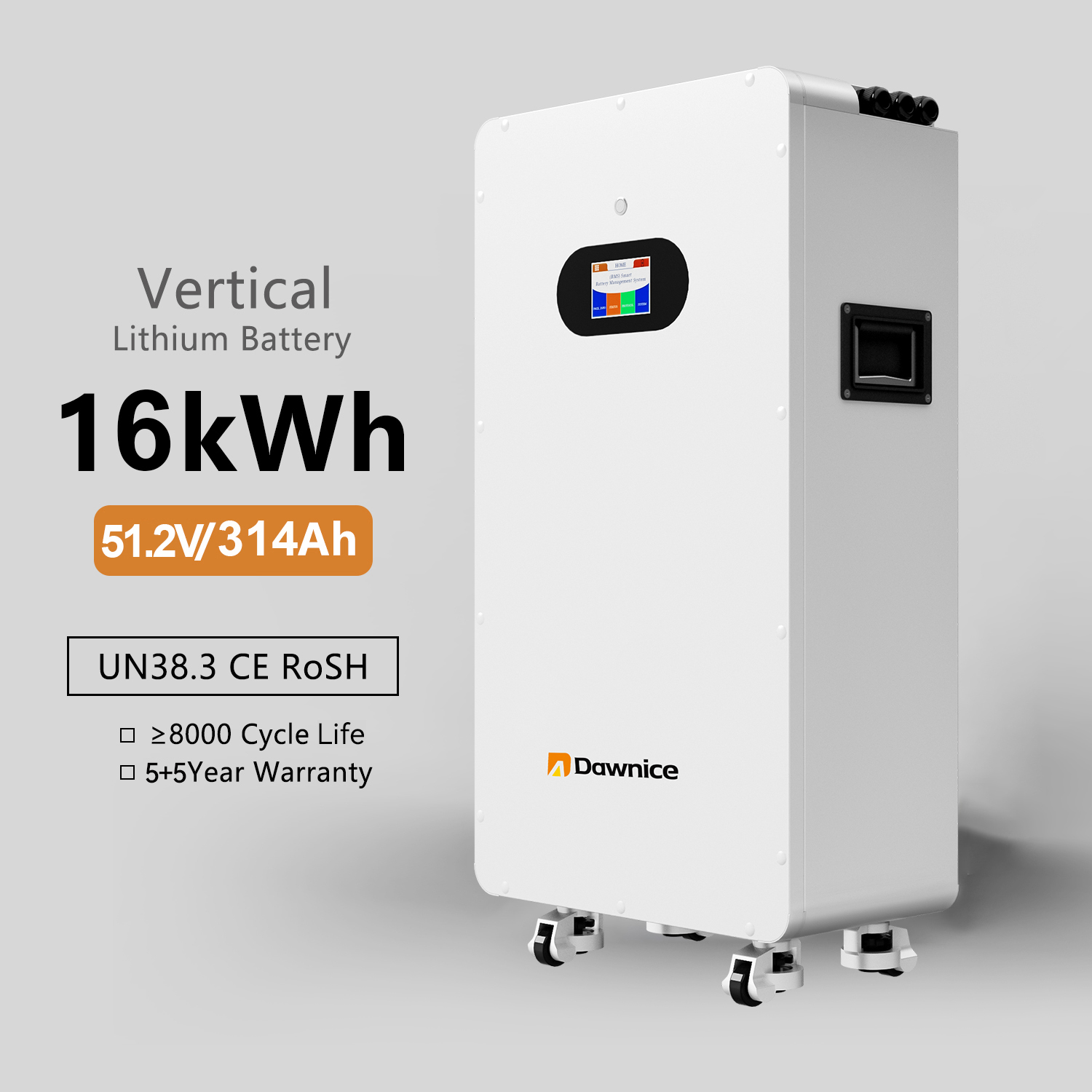 HZEB-LCT-16
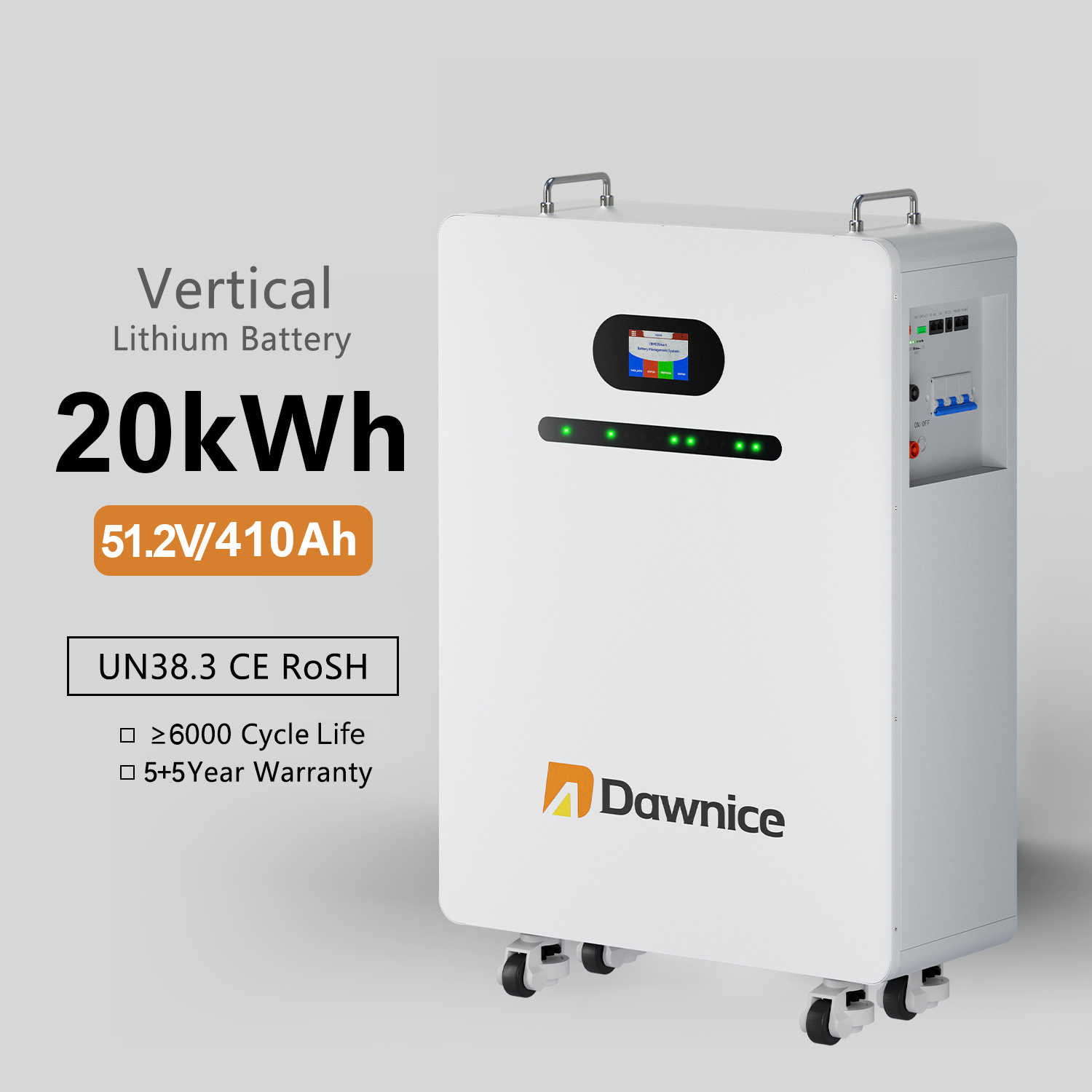 HZEB-LCT-20
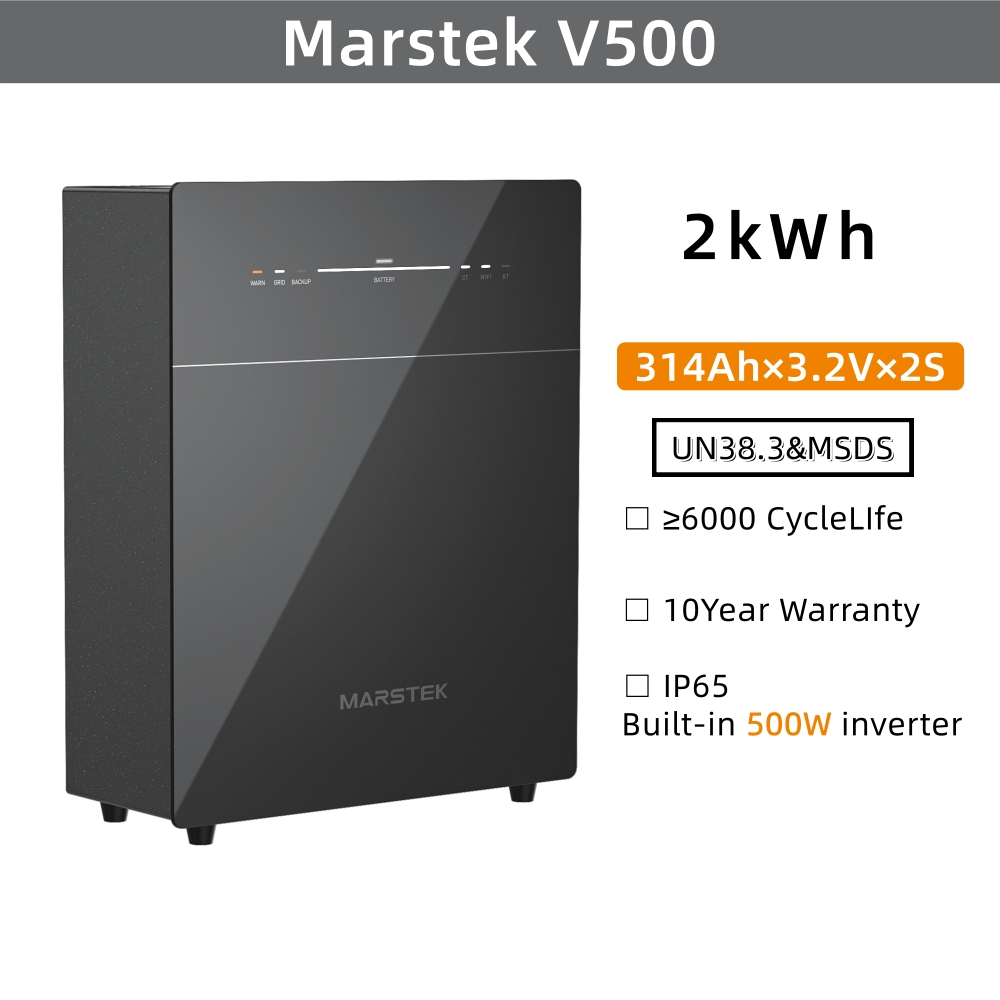 Msrstek V500
 SixUltra BS06-SSeries
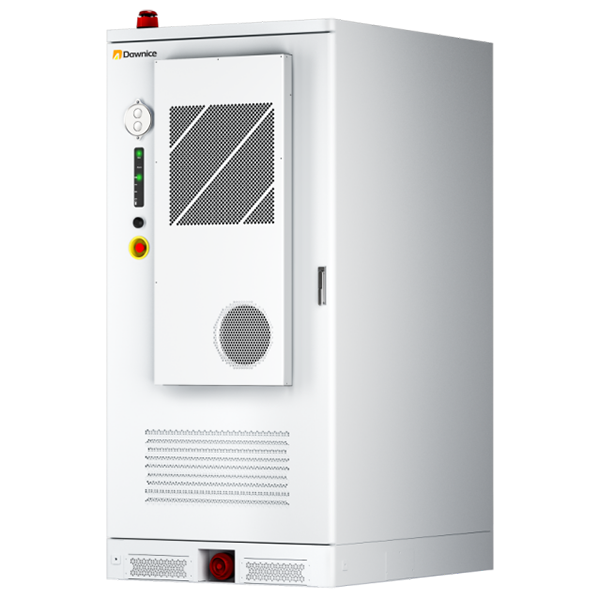 HZEB-HCT-125/522
 PrimeSun-265K
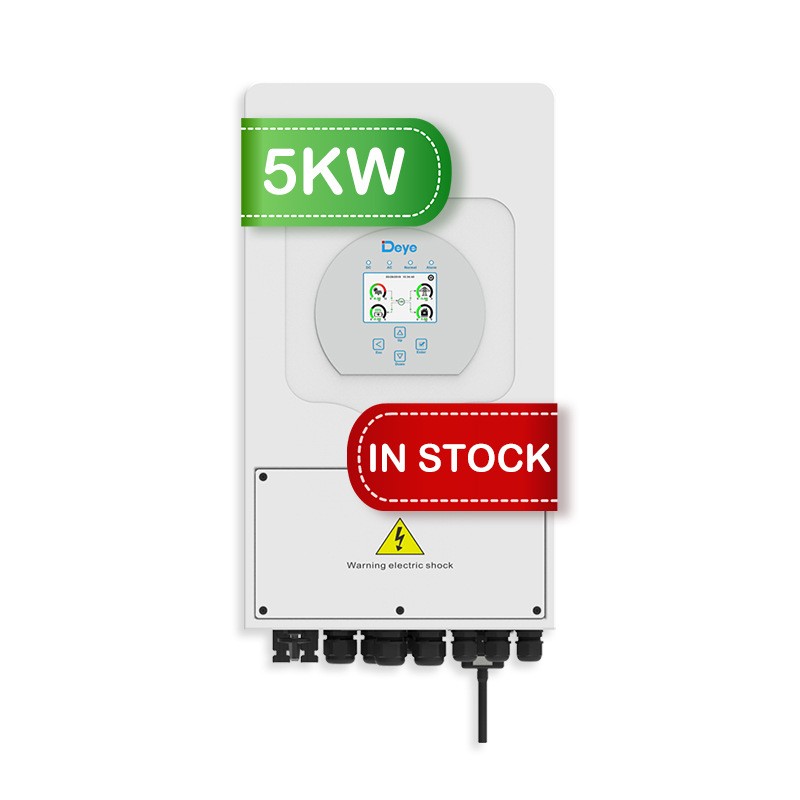 5kW Solar Inverter
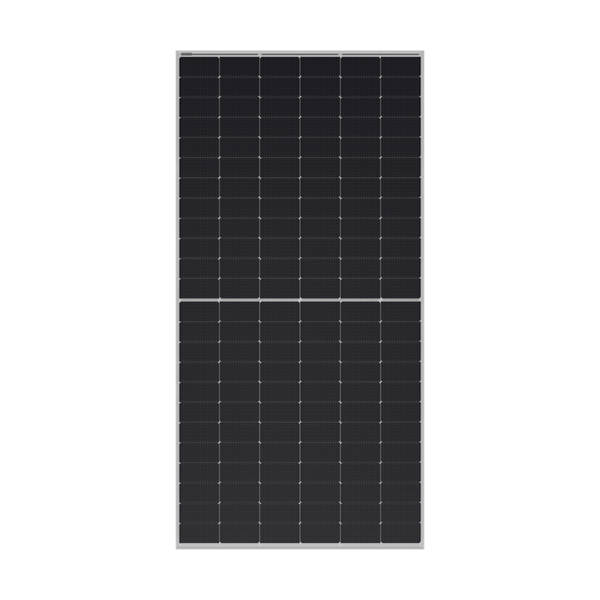 700-720W