
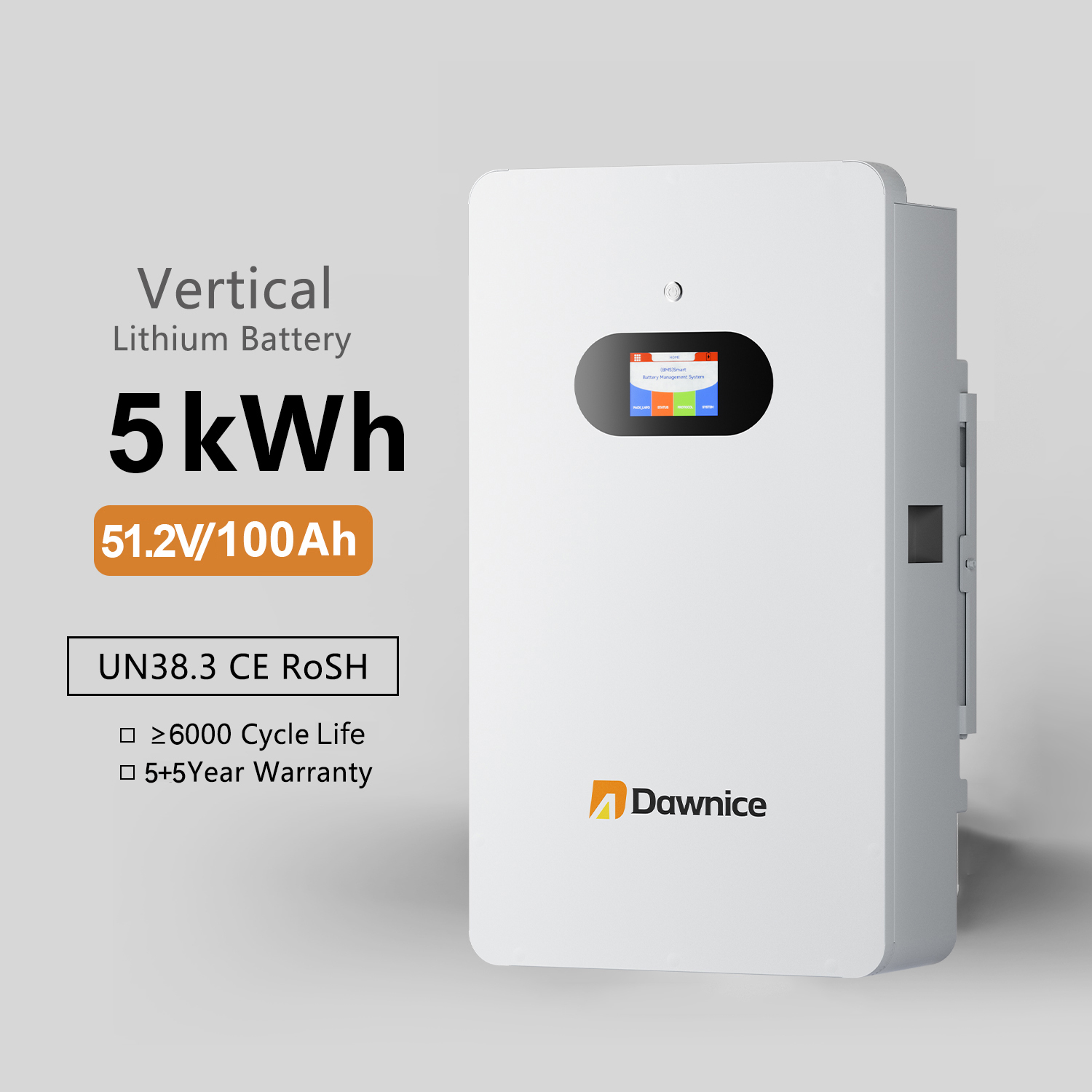
 HZEB-LCT-5
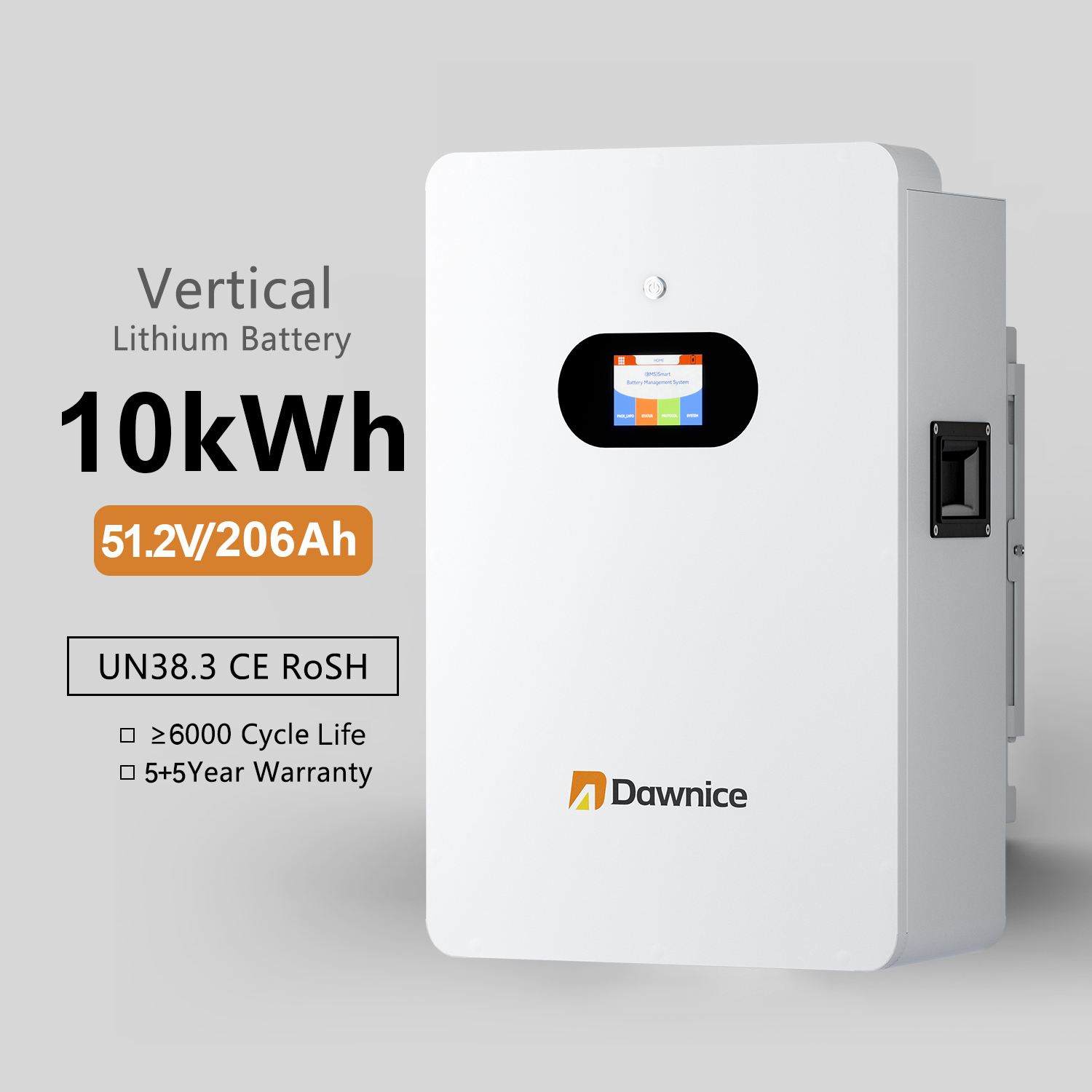 HZEB-LCT-10
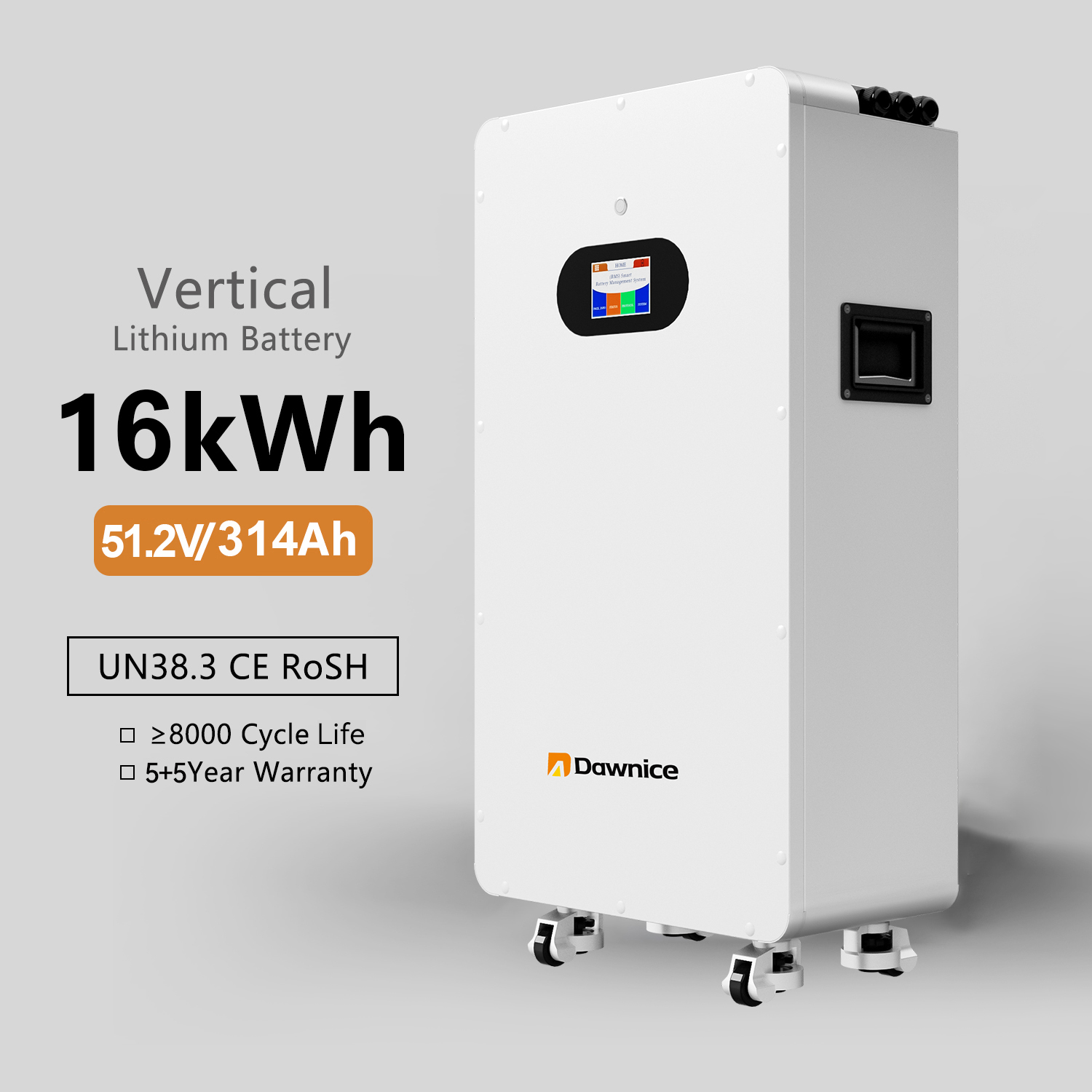 HZEB-LCT-16
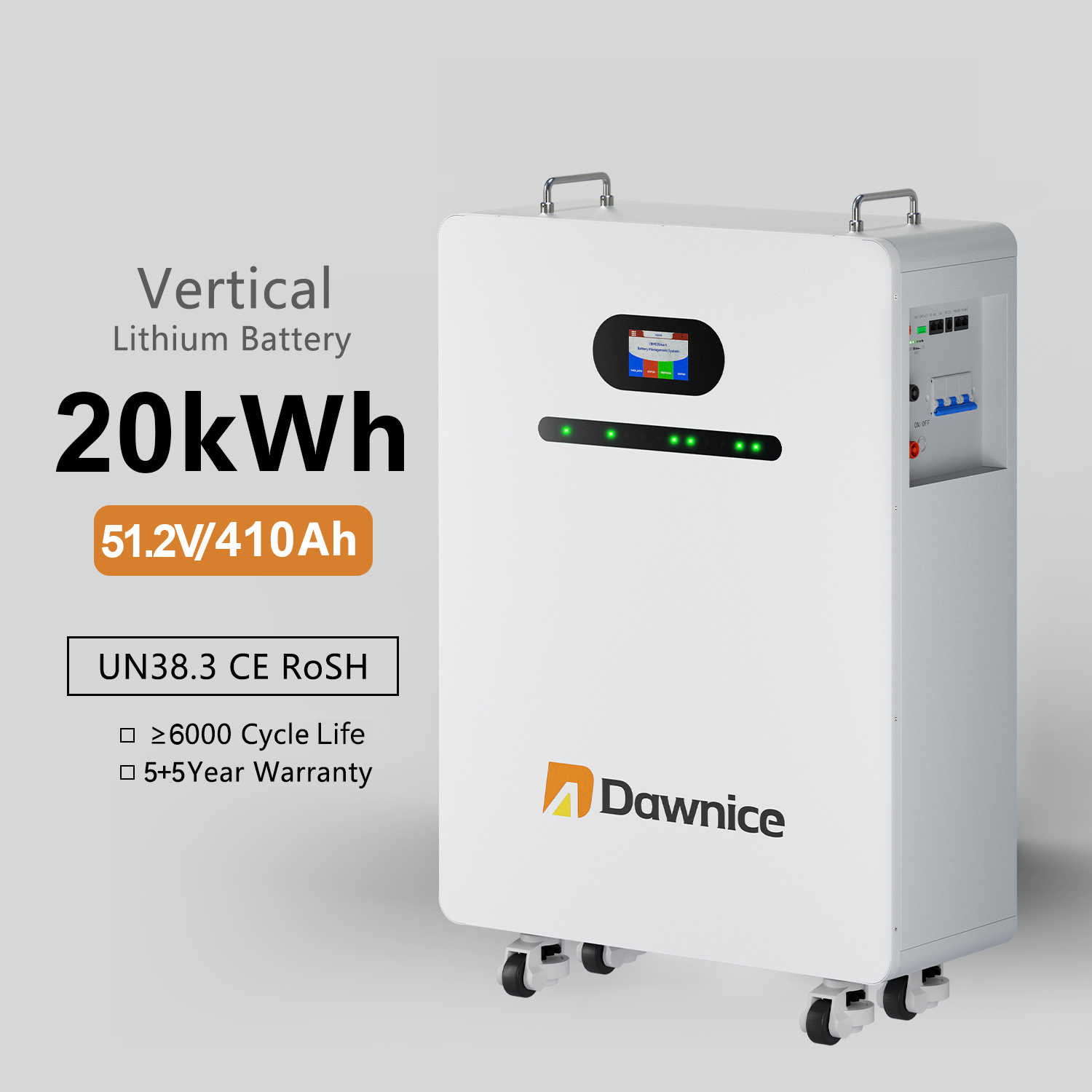 HZEB-LCT-20
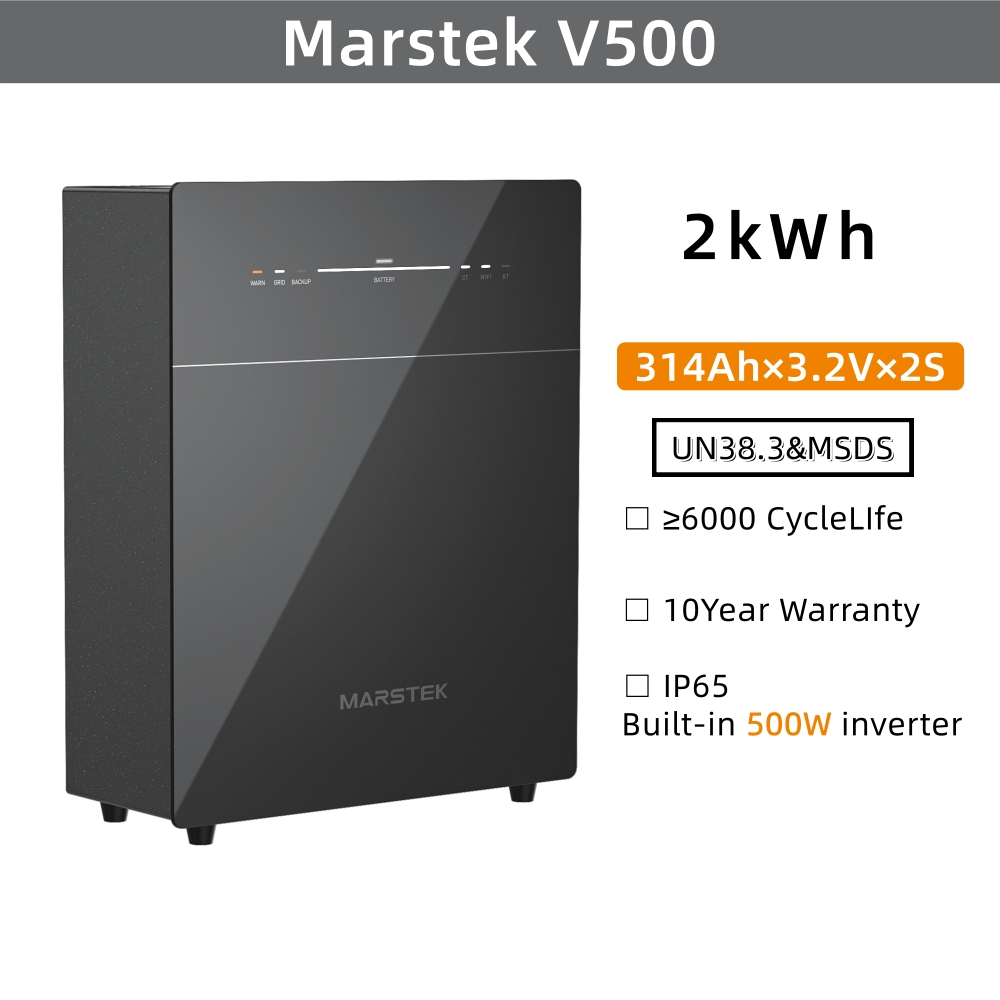 Msrstek V500
 SixUltra BS06-SSeries
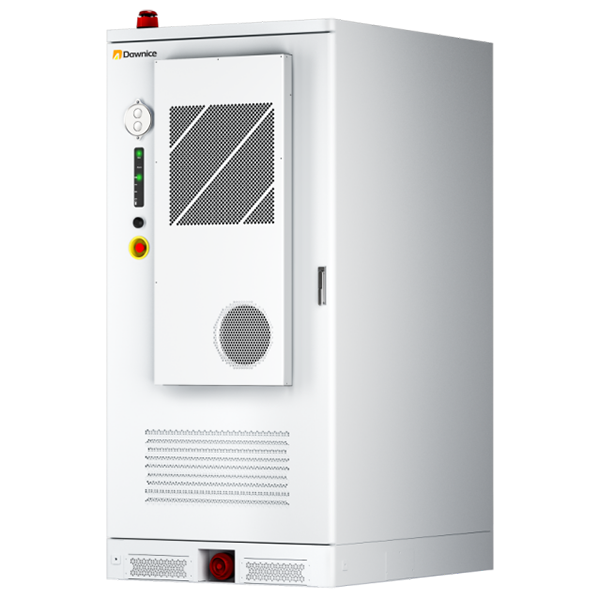 HZEB-HCT-125/522
 PrimeSun-265K
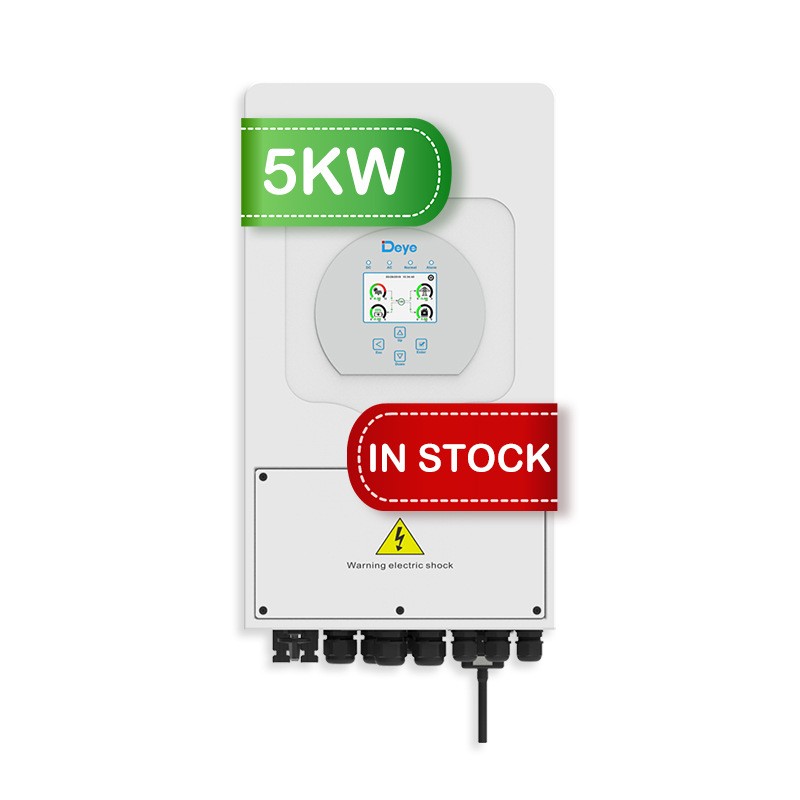 5kW Solar Inverter
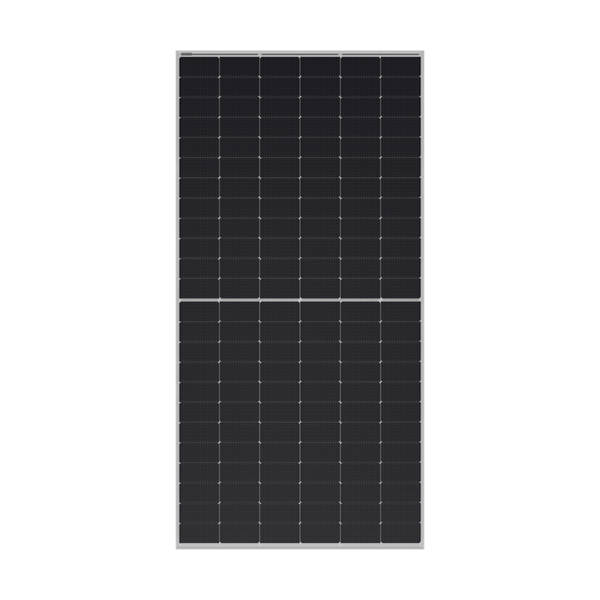 700-720W




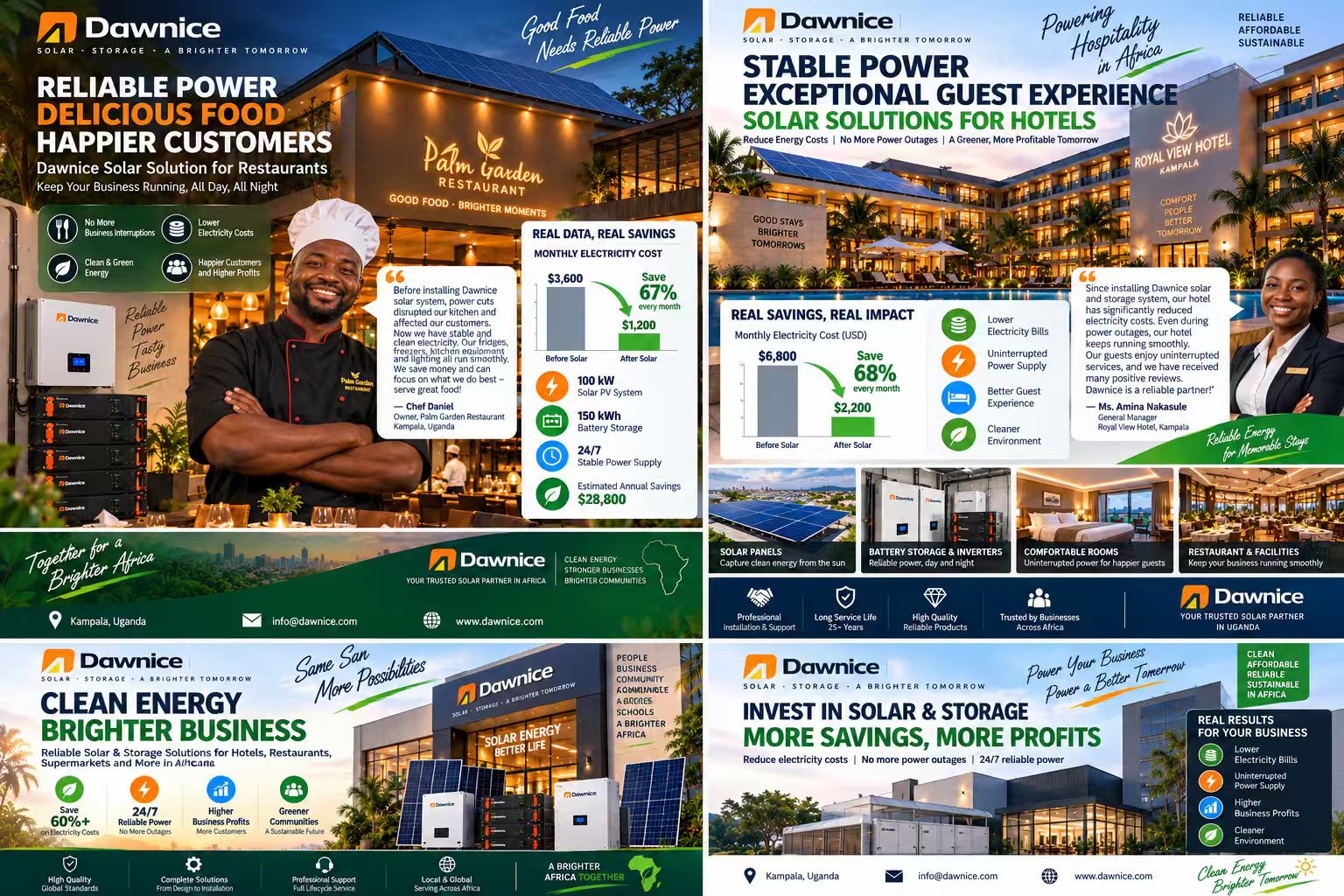



The future of Africa-Dawnice here

DAWNICE COMMERCIAL SOLAR & BATTERY STORAGE
EAST AFRICA MARKETING & SOLUTIONS GUIDE
Based in Kampala, Uganda · Serving East Africa · Connecting with Customers Worldwide
Solar Panels · Battery Storage · Inverters · Commercial Energy Solutions
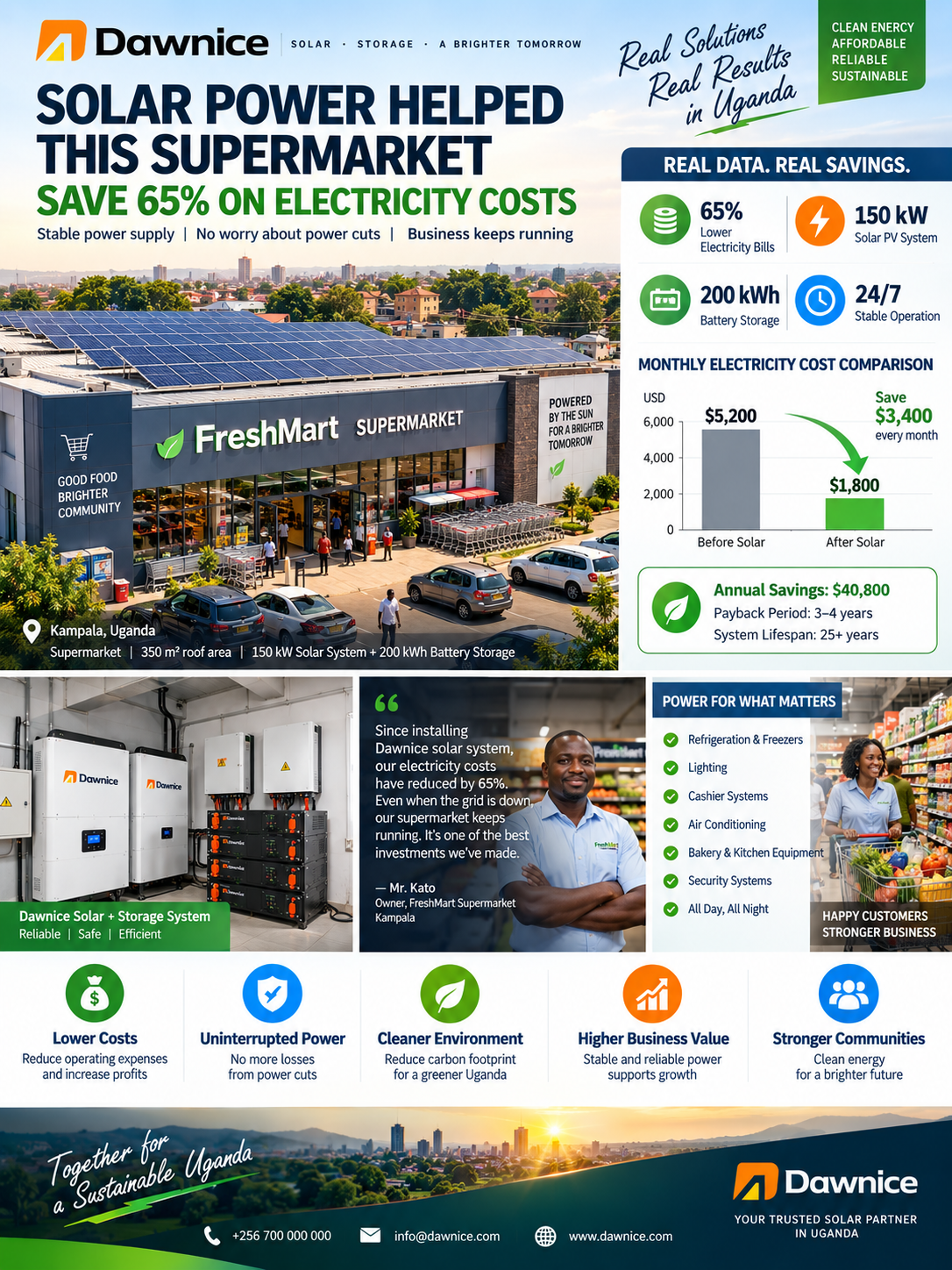
Dawnice helps businesses turn solar energy and battery storage into lower operating costs, stronger power resilience and long-term business value.
Official Website: www.energydawnice.com
|
|
SOLAR · STORAGE · A BRIGHTER TOMORROW |
1. Dawnice: From Kampala to the East African Market
KAMPALA HUB · EAST AFRICA SERVICE · GLOBAL CONTACT
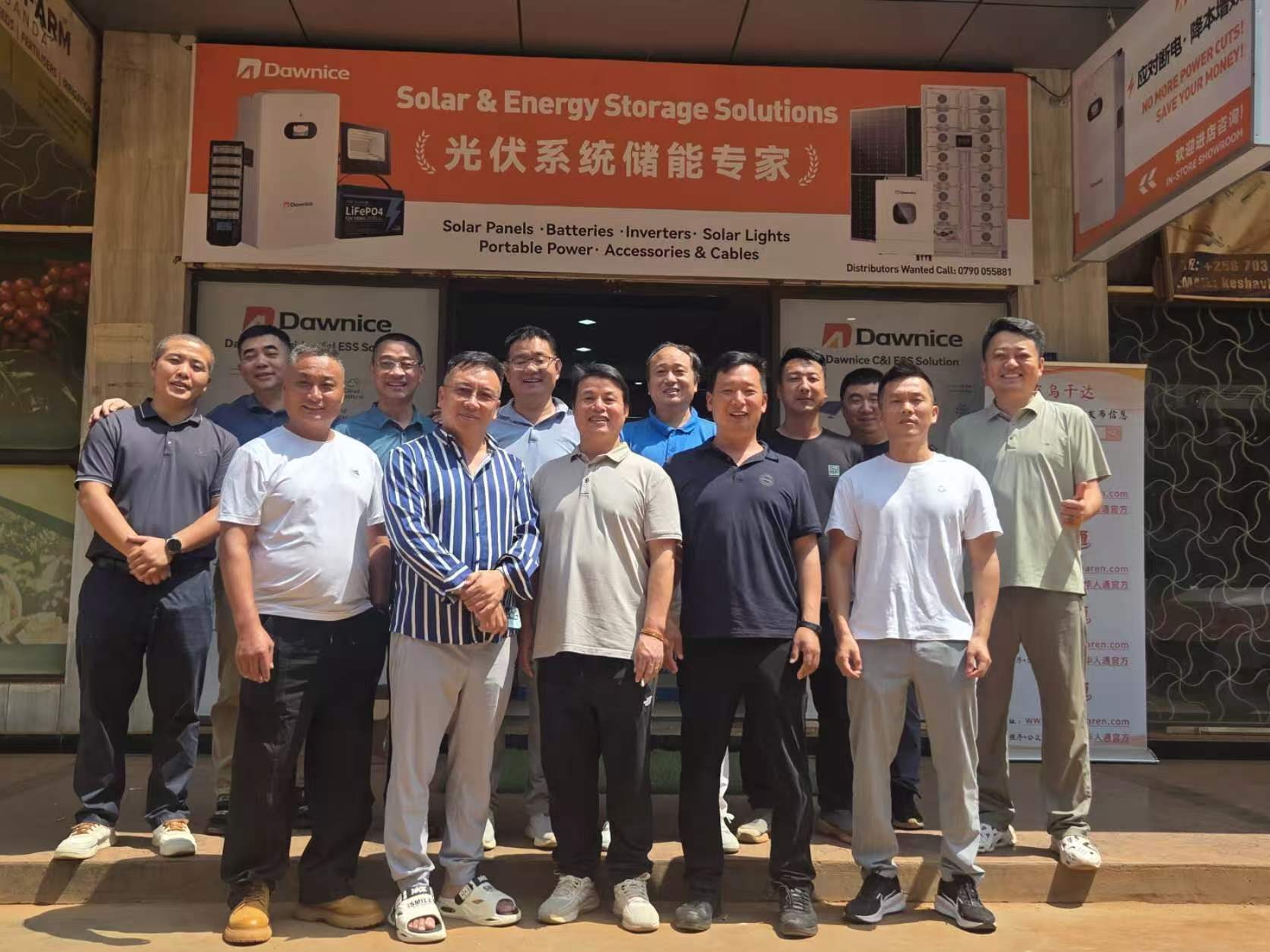
Dawnice focuses on solar PV panels, inverters and battery energy storage systems. We provide commercial customers with an integrated energy solution that starts with understanding the customer's electricity demand and continues through system configuration, installation support and after-sales coordination. With business operations in Kampala, Uganda, we can communicate more closely with local and regional customers and help them select a solar-plus-storage configuration that matches the size and operating pattern of each project.
Our goal is not simply to sell solar panels or batteries as separate products. We aim to solve three practical business problems: reducing long-term electricity expenditure, keeping critical equipment powered when the grid is unavailable or unstable, and giving businesses greater control over how and when they use energy. These benefits are relevant to supermarkets, hotels, restaurants, offices, factories, schools, clinics and many other commercial facilities.
Kampala is our East African business base, but our service reach is broader. Customers throughout East Africa can contact us to discuss products and projects. Customers in other parts of Africa and in other continents are also welcome to visit the Dawnice website, send their project requirements, load information and electricity data, and contact us for product and solution discussions.
|
|
SOLAR · STORAGE · A BRIGHTER TOMORROW |
2. Why Businesses Need Solar + Battery Storage
SOLAR GENERATION + BATTERY STORAGE
Solar PV converts sunlight into electricity during the day. Battery storage keeps part of that energy available for later use, such as at night, during periods of high demand or when the utility grid is interrupted. When solar and storage are designed as one system, the customer receives more than a source of generation: the business gains a flexible energy platform that can respond to its operating schedule and load profile.
Commercial electricity demand is continuous. Hotels depend on lighting, air conditioning, hot water, Wi-Fi and front-desk systems. Restaurants need refrigeration, freezers, kitchen equipment, lighting and point-of-sale systems. Supermarkets require checkout systems, cooling, security and communications. Factories depend on machinery and control systems. A power outage can therefore cause much more than the loss of a few kilowatt-hours; it can mean lost sales, spoiled food, production delays, dissatisfied guests and idle staff.
Dawnice therefore begins with the critical loads that cannot easily stop. We then consider inverter power, solar capacity and battery capacity. A system can start at a practical size and be expanded as the customer's business grows, helping the investment remain closely aligned with real operating needs.
|
|
SOLAR · STORAGE · A BRIGHTER TOMORROW |
3. How Solar Can Reduce Electricity Purchases
TURN SUNLIGHT INTO DAILY OPERATING SAVINGS
For businesses that operate mainly during daylight hours, solar generation can match a meaningful part of the daily electricity demand. PV panels installed on rooftops, carports or suitable open areas can supply lighting, office equipment, refrigeration, air conditioning, pumps, network equipment and selected production loads, reducing the amount of electricity purchased from the grid during those hours.
There is no single savings percentage that applies to every customer. Actual savings depend on local electricity tariffs, solar resources, available installation area, PV system size, load profile, self-consumption ratio and battery operating strategy. A professional assessment should therefore begin with several months of electricity bills, operating hours and the power ratings of major equipment, followed by a comparison of the expected energy balance before and after installation.
In marketing, it is appropriate to emphasize lower electricity costs, higher solar self-consumption and reduced dependence on the grid. Final savings figures, however, should be based on project calculations and actual operating data. This approach communicates commercial value while maintaining credibility with long-term customers.
|
|
SOLAR · STORAGE · A BRIGHTER TOMORROW |
4. Convenience and Reliability During Power Outages
KEEP CRITICAL LOADS RUNNING
One of the strongest commercial benefits of battery storage is the ability to support selected critical loads when the grid fails. A business does not necessarily need every appliance and every circuit to operate during an outage. Instead, essential loads can be prioritized, such as checkout systems, basic lighting, Wi-Fi, CCTV, servers, refrigerators, freezers, reception equipment, pumps and selected production equipment.
This approach creates a better balance between budget, system capacity and backup duration. With the same battery capacity, a system supporting only critical loads can normally provide a longer backup period. If the customer expects air conditioning, large kitchen equipment or heavy industrial machinery to operate continuously during an outage, the inverter and battery system must be sized accordingly.
For the customer, convenience means less waiting and fewer manual interventions when power is interrupted, continued operation of the most important business functions, and clearer visibility of battery status and energy flow through monitoring tools. Energy becomes a resource that the business can actively manage rather than an external condition it can only react to.
|
|
SOLAR · STORAGE · A BRIGHTER TOMORROW |
5. Business Returns: Electricity Savings Are Only the First Layer
SAVINGS · CONTINUITY · CUSTOMER EXPERIENCE · GROWTH
The value of a solar-plus-storage system can be divided into direct and indirect returns. Direct returns are primarily associated with lower grid electricity purchases and more efficient use of stored energy. Indirect returns may include reduced downtime, less food or material spoilage, continuity of customer service, improved operating reliability and lower dependence on other forms of backup power.
For a hotel, stable electricity can protect reception, Wi-Fi, room lighting, selected air conditioning and food-service operations. For a restaurant, reliable refrigeration and critical kitchen equipment can protect food quality and service. For a supermarket, continued checkout and refrigeration can reduce the business losses associated with an outage. In many cases, the value of losses avoided can be as important as the electricity bill reduction itself.
Payback should always be calculated using real project inputs. Dawnice can discuss a financial model that considers system investment, expected solar generation, local tariffs, storage strategy, maintenance and the business impact of outages. This gives customers a clearer view of the cash-flow effect of different system sizes without relying on a single universal payback claim.
|
|
SOLAR · STORAGE · A BRIGHTER TOMORROW |
6. Supermarkets and Retail: Save by Day, Keep Trading During Outages
SUPERMARKETS & RETAIL
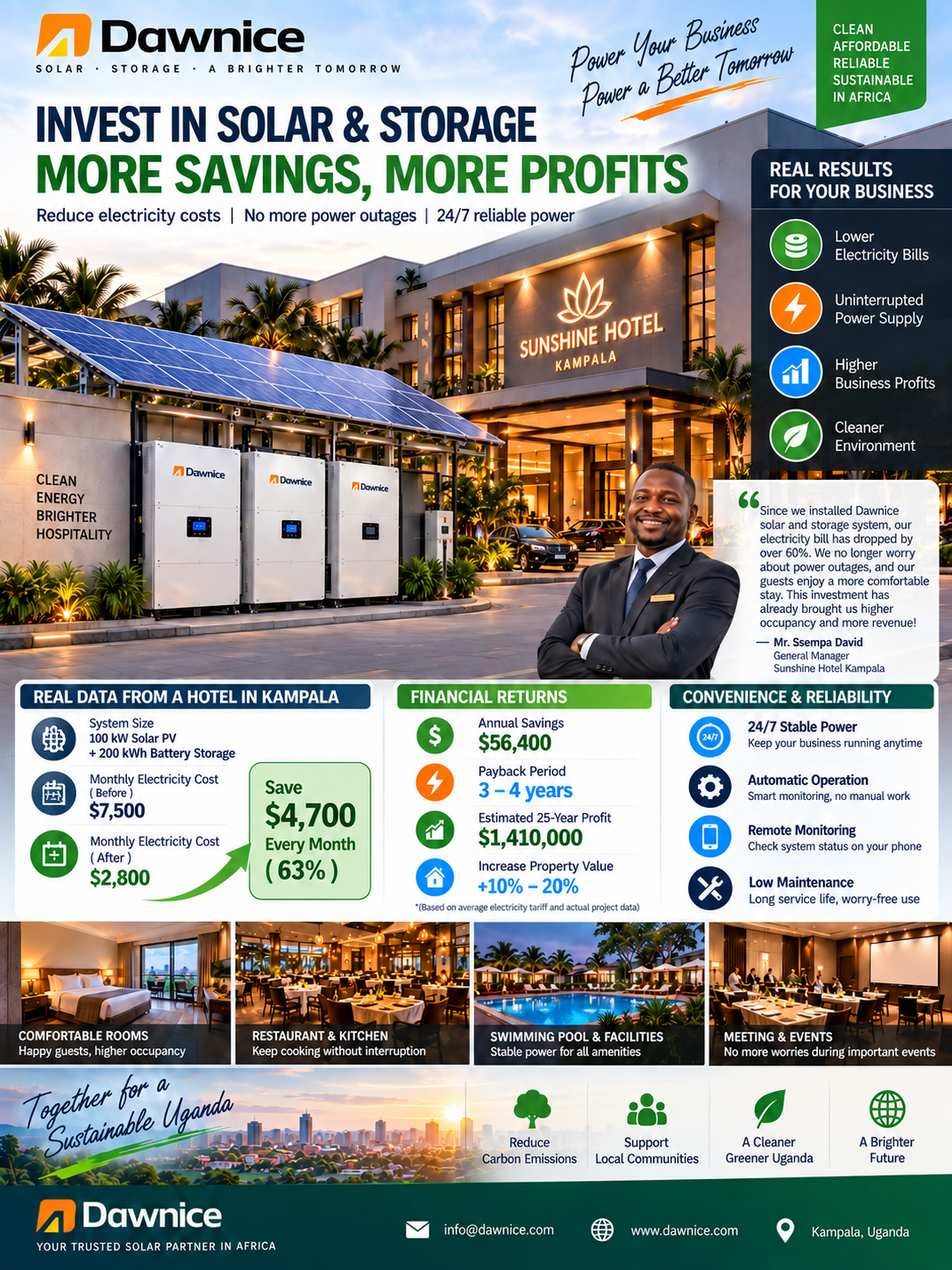
Supermarkets and retail stores are strong candidates for solar-plus-storage because they often operate for long hours and continuously use lighting, checkout systems, internet, CCTV, refrigerators and cold-storage equipment. Solar can serve a portion of these daytime loads directly, while available surplus energy can be stored according to the operating strategy of the system.
During an outage, the battery can prioritize checkout, basic lighting, communications, security and essential refrigeration. This can help reduce store closures, food losses and customer disruption. Supermarkets with large roofs can also make productive use of otherwise unused building space by turning it into a distributed generation asset.
A useful sales conversation begins with three questions: What is the approximate monthly electricity bill? What are the power ratings of the refrigerators, freezers and air-conditioning systems? Which equipment must remain operational during an outage, and for how many hours? These answers quickly establish the framework for an initial system proposal.
Commercial application concept: solar and storage can address both daytime electricity purchases and critical-load backup for supermarkets.
|
|
SOLAR · STORAGE · A BRIGHTER TOMORROW |
7. Hotels: Reliable Energy Is Part of the Guest Experience
HOTELS & HOSPITALITY
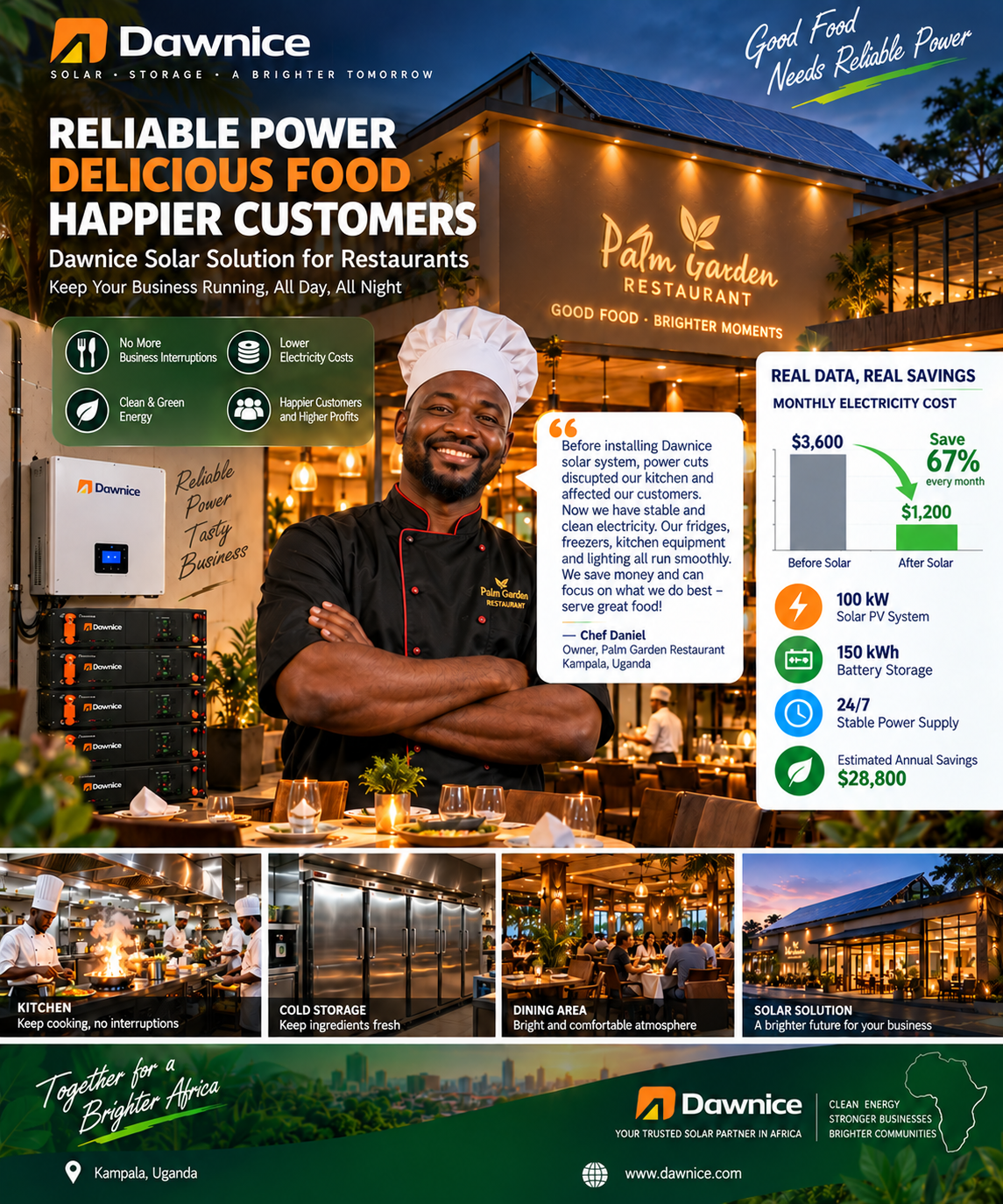
Hotels sell comfort, continuity and predictable service. Guests do not reduce their expectations simply because the local grid is unstable. Reception, lighting, internet, hot water, refrigeration, selected air conditioning, restaurant operations and security systems all influence reviews, guest satisfaction and repeat business.
Solar can support part of the daytime consumption of common areas, rooms, offices, kitchens and facility equipment. Battery storage can protect predefined critical circuits when the grid is interrupted. Resort hotels, city hotels, serviced apartments and conference hotels can all use solar and storage, but the system should be configured around their individual operating patterns.
The value proposition for a hotel should therefore go beyond lower electricity bills. It should include fewer service interruptions, better guest experience, greater confidence during important events and a stronger sustainability image. When the energy system becomes part of the hotel's service infrastructure, the investment becomes easier to understand.
Hotel application concept: reliable energy can support guest rooms, reception, restaurants, communications and essential facilities.
|
|
SOLAR · STORAGE · A BRIGHTER TOMORROW |
8. Restaurants: Keep the Kitchen Running and Food Protected
RESTAURANTS & FOOD SERVICE
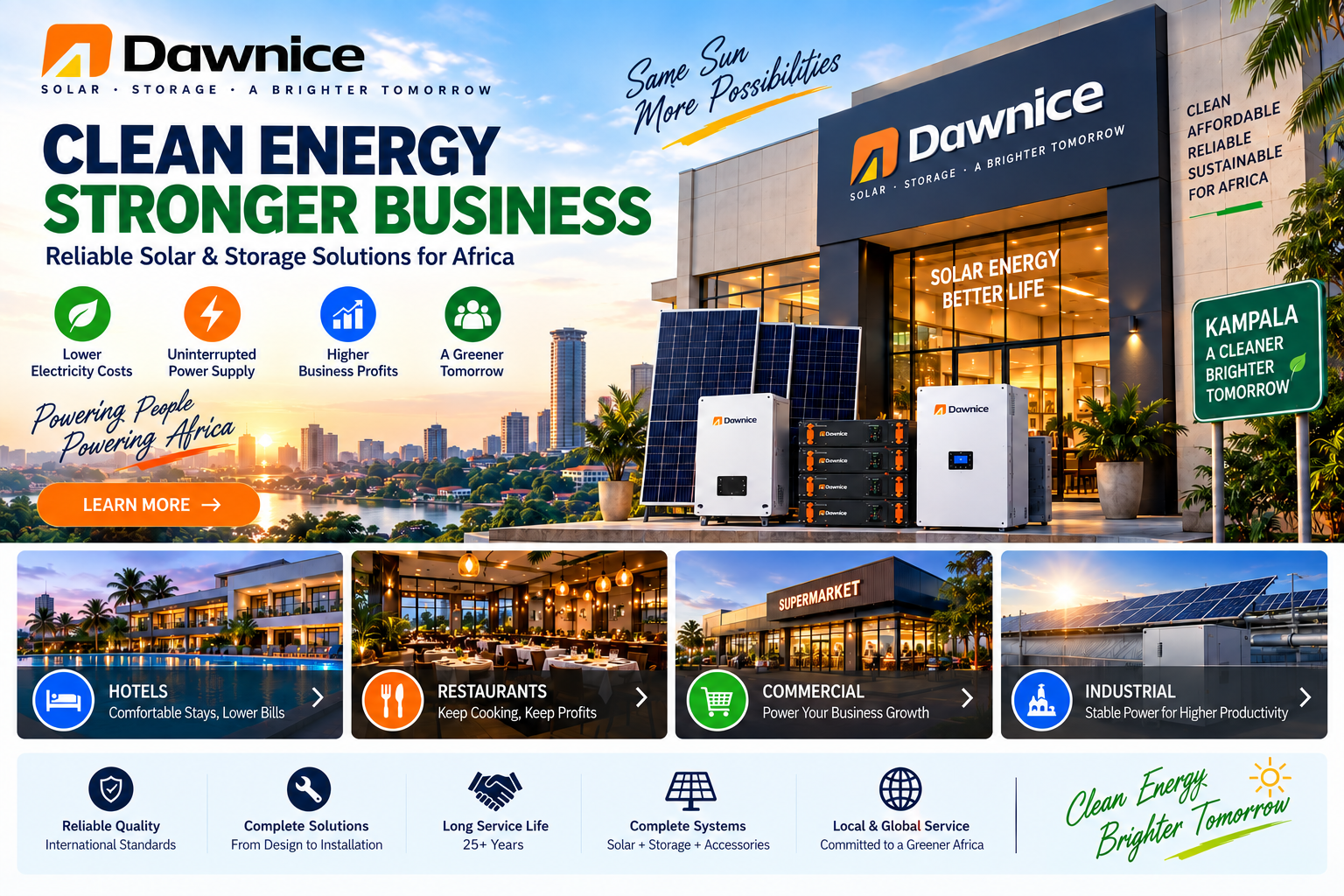
Restaurant electricity demand is concentrated around refrigeration, freezers, kitchen equipment, lighting, air conditioning, point-of-sale systems, internet and ventilation. A sudden outage can interrupt food preparation, increase refrigerator temperatures, delay customers and affect an entire trading period.
A practical Dawnice solar-plus-storage solution can prioritize refrigerators, freezers, lighting, checkout and internet first, then add more kitchen equipment according to the available budget and required backup duration. Solar helps reduce grid purchases during operating hours, while storage provides an energy buffer for evening use or grid outages.
For a restaurant owner, the message is simple: stable electricity supports a stable kitchen, and a stable kitchen supports better service and more reliable revenue. We recommend calculating the actual equipment loads so the customer understands which appliances the system can support and approximately how long the available stored energy can sustain them.

Restaurant application concept: refrigeration, kitchen operations, checkout systems and lighting are common critical loads.
|
|
SOLAR · STORAGE · A BRIGHTER TOMORROW |
9. Factories, Schools, Clinics and Offices
INDUSTRIAL · EDUCATION · HEALTHCARE · OFFICES
Industrial customers are especially sensitive to downtime. A sudden power interruption may stop equipment, delay orders, leave employees idle, damage work in progress and create additional restart costs. Large industrial roofs can also provide useful space for substantial PV installations, making commercial and industrial solar-plus-storage particularly relevant.
Schools depend on computers, lighting, internet and administration systems. Clinics require reliable lighting, information systems, refrigeration and selected essential equipment. Offices rely on computers, servers, communications and security. These facilities frequently operate during daylight hours, creating a natural overlap between solar generation and electricity demand.
Projects can also be developed in stages. The first stage can protect critical loads and address outage problems; the second can add PV capacity to reduce electricity purchases; later stages can expand battery storage as the organization grows. A modular strategy can reduce initial capital pressure while keeping a clear path for future expansion.
Multi-sector application concept: industrial and institutional projects should be designed from real load data and operating priorities.
|
|
SOLAR · STORAGE · A BRIGHTER TOMORROW |
10. The Dawnice System: From PV Panels to Storage and Smart Control
A COMPLETE SOLAR + STORAGE SOLUTION
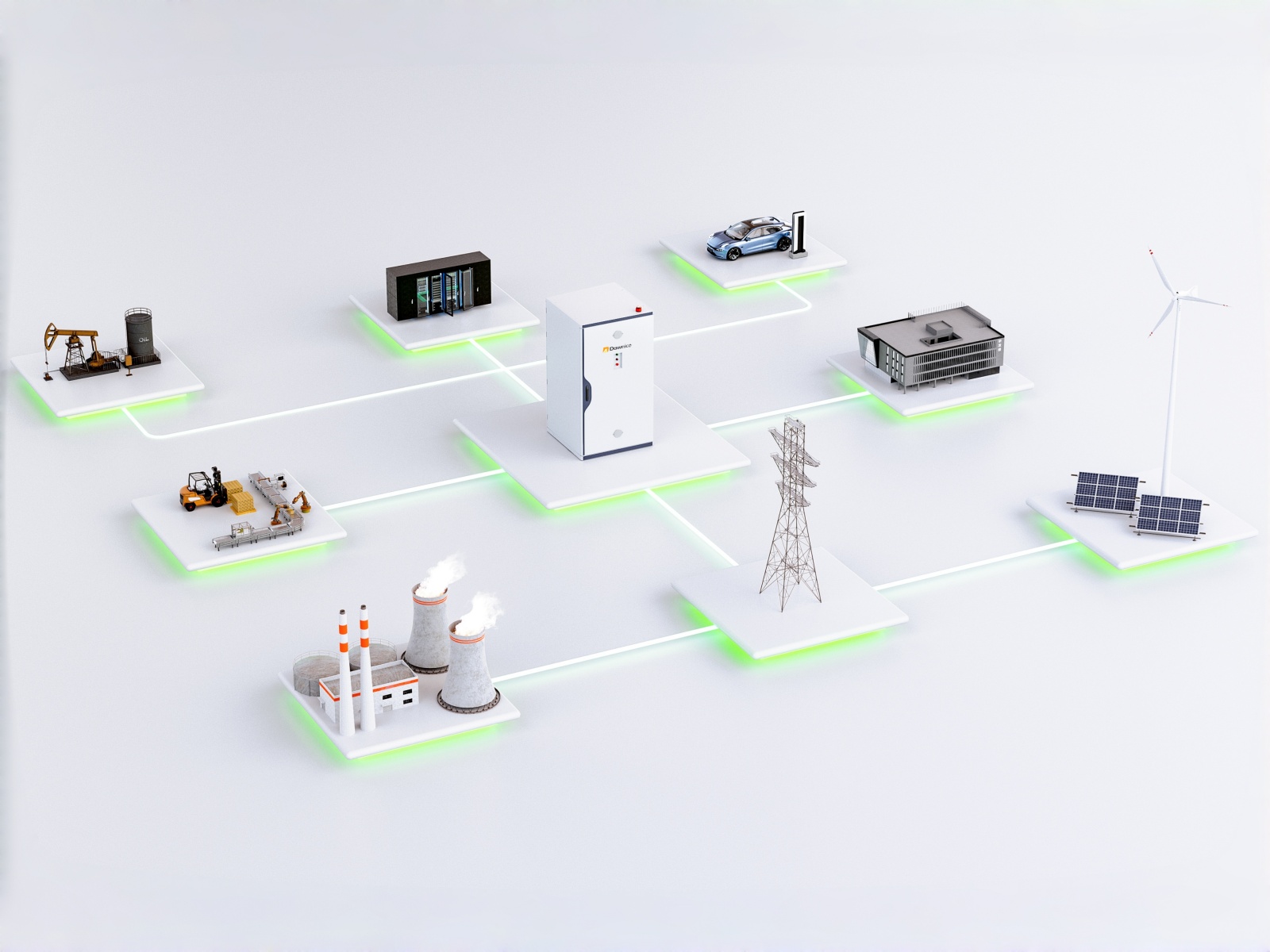
A complete commercial solar-plus-storage system normally includes PV modules, inverters, battery energy storage, distribution and protection equipment, mounting structures, cabling and monitoring. Solar panels generate electricity, inverters convert and coordinate energy, batteries store and release energy, and protection equipment helps keep the electrical system operating safely.
Dawnice solutions can be configured for different project sizes. Smaller commercial applications can use flexible modular combinations, while larger commercial requirements may call for higher-capacity battery arrangements and more powerful inverter configurations. The final architecture should reflect the customer's actual load, backup objective, installation conditions and future expansion plans.
Project performance depends on the compatibility of the entire system, not on one product specification alone. An undersized inverter, insufficient battery capacity or a PV array that does not match the load profile can all reduce the expected result. System design, installation quality, commissioning and after-sales support are therefore as important as the equipment itself.

Commercial solution concept: system performance depends on matching PV, inverter, battery, protection and monitoring as one solution.
|
|
SOLAR · STORAGE · A BRIGHTER TOMORROW |
11. How We Build a Proposal: Five Steps from Need to Configuration
DISCOVER → CALCULATE → DESIGN → INSTALL → SUPPORT
Step one is data collection: three to six months of electricity bills, daily operating hours, a list of major equipment, outage frequency and the desired backup duration. Step two is load classification, separating critical loads, deferrable loads and high-power loads.
Step three is system sizing. Daytime energy demand and available roof area help determine PV capacity; maximum simultaneous load helps determine inverter power; critical-load power and desired backup hours help determine battery capacity. Step four is to compare options, such as an entry configuration, a balanced configuration and a higher-resilience configuration, so the customer can evaluate cost and performance.
Step five covers installation, commissioning and operating support. After the system begins running, generation, battery charging and discharging, changing loads and business growth should be reviewed. Where appropriate, the system can be expanded or its operating strategy optimized. The objective is to make the energy solution serve the business rather than simply complete an equipment delivery.
|
|
SOLAR · STORAGE · A BRIGHTER TOMORROW |
12. Illustrative Model: Savings, Backup Time and Business Value
ILLUSTRATIVE MODEL — ACTUAL RESULTS VARY
Consider a commercial customer whose original monthly electricity expenditure is represented as 100 units. After load analysis, a suitably designed PV system might cover a meaningful share of daytime consumption, while storage can increase the usable share of solar energy and protect critical loads during outages. The actual reduction will vary with weather, operating hours, tariffs, system size and energy-management strategy.
If the critical loads total 20 kW and the customer wants them to operate for five hours during an outage, the simple energy requirement is approximately 100 kWh. Real system design must also account for usable battery capacity, conversion efficiency, safety margin and equipment starting power, so the final battery capacity would normally include appropriate engineering headroom.
Financial analysis should not stop at the electricity bill. If outages cause lost trading hours, spoiled food, idle employees or service disruption, those costs should also be considered. This broader view of business value is often more useful for decision-making than a simple comparison of electricity charges.
Business-value concept: electricity savings, backup capability and financial return should be calculated from actual project conditions.
|
|
SOLAR · STORAGE · A BRIGHTER TOMORROW |
13. East Africa Service: Kampala as Our Regional Business Base
UGANDA HUB · EAST AFRICA REACH
Dawnice operates in Kampala, Uganda, giving East African customers a convenient point for product discussions, project communication and local business support. In Uganda, we can discuss commercial, residential, off-grid and battery-storage requirements. For neighboring markets, service and delivery arrangements can be discussed according to project location, logistics and installation needs.
Our business is open to customers across East Africa, including markets such as Kenya, Tanzania, Rwanda, Burundi, South Sudan and Ethiopia. Electricity conditions, regulations, tariffs and installation environments differ from country to country, so delivery, installation and technical support for each project should be confirmed individually.
Customers outside East Africa are equally welcome. Businesses and distributors in other parts of Africa, Asia, Europe, the Americas, Oceania and other regions can visit the Dawnice website to contact us regarding solar panels, battery storage, inverters and complete energy solutions.
|
|
SOLAR · STORAGE · A BRIGHTER TOMORROW |
14. Why Dawnice: Building Long-Term Energy Partnerships
PRODUCTS + SOLUTIONS + SUPPORT
For an energy project, customers ultimately need dependable long-term operation. Dawnice aims to build a cooperation model that includes early-stage needs analysis, product selection, system design support, installation coordination, user guidance and after-sales communication rather than focusing only on a one-time equipment transaction.
Different customers require different system sizes. We can discuss solutions ranging from smaller storage configurations to commercial applications, combined with PV modules and inverters. As project size increases, accurate load data, system protection, installation conditions and future maintenance become increasingly important, which is why we emphasize professional configuration.
Our brand promise can be summarized in four ideas: use solar to reduce daily energy costs; use storage to reduce the impact of outages; use intelligent energy systems to improve business continuity; and make clean energy part of the infrastructure that supports long-term business development.
|
|
SOLAR · STORAGE · A BRIGHTER TOMORROW |
15. A Message to Prospective Customers: Start with Your Electricity Bill
START WITH YOUR ELECTRICITY BILL
If you operate a hotel, restaurant, supermarket, factory, office, school, clinic or another commercial facility and are dealing with high electricity costs, frequent outages or expensive backup power, start by sharing your monthly electricity bill and major equipment information with Dawnice.
Tell us the country and city of the project, approximate monthly electricity consumption or cost, the major daytime and nighttime loads, which equipment absolutely must continue during an outage, the desired backup duration and whether the site has suitable roof or ground space for PV installation.
With this information, we can have a more productive discussion about PV capacity, inverter power and battery capacity and develop an option that is closer to the actual operating requirement and budget. International customers can also contact us through the official website and begin the project with a bill, a load list and a clear business objective.
|
|
SOLAR · STORAGE · A BRIGHTER TOMORROW |
16. Dawnice Vision: Clean Energy, Stronger Business
POWERING EAST AFRICA · CONNECTING GLOBAL CUSTOMERS
We believe clean energy is not only about sustainability; it is also about stronger business resilience. Solar turns an abundant natural resource into useful daily electricity. Battery storage turns electricity from something that must be used immediately into an energy resource that can be stored and managed. Together, they help businesses respond more confidently to electricity costs and grid instability.
From supermarkets, hotels and restaurants in Kampala to factories, schools and commercial buildings across East Africa, Dawnice aims to help more businesses reduce unnecessary energy expenditure, limit the operational impact of power outages and gradually build a more sustainable energy structure.
Whether your project is in Uganda, another East African country or another region of the world, you are welcome to contact Dawnice through our official website. Tell us about your electricity demand, and we will discuss the products, capacity and application approach that can best support your project.
|
|
SOLAR · STORAGE · A BRIGHTER TOMORROW |
Contact Dawnice: Let the Project Start with Your Electricity Bill
CONTACT DAWNICE
If you are located in Uganda or another East African country, contact Dawnice to discuss solar PV panels, inverters, battery energy storage and complete commercial energy systems. Our East African business is based in Kampala, Uganda, and we welcome project discussions from across the region.
If you are located outside East Africa, you are also welcome to contact us through the Dawnice official website. Please provide the project country and city, monthly electricity bill, major equipment, critical loads, required backup hours and available solar installation space whenever possible. This information helps us understand the project faster.
Our objective is straightforward: use a more suitable combination of solar generation and battery storage to help businesses control energy costs, reduce the operational impact of power outages and make clean energy a practical part of long-term business growth.
www.dafasolar.com
Dawnice · Solar · Battery Storage · A Brighter Tomorrow