DAWNICE
14 years of production experience

To Strive Forward No Energy Waste

Leave Your Message

Blog

10 Solar Panel Buying Tips for Global Buyers

10 Solar Panel Buying Tips for Global Buyers

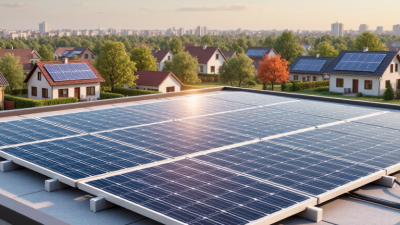
Buying solar equipment from another country can seem pretty straightforward at first—until the specs actually have to meet local conditions. You might look at a solar panel that’s rated great on a sunny test site, but put it on a hot rooftop or under some serious cloud cover, and the output can tell a totally different story. Even the installation angle matters. So for global buyers, it’s not just about grabbing the lowest price or the most impressive wattage figure—you need to dig a little deeper. Honestly, they need to wrap their heads around how this equipment fits—not just the project, but also the climate and the market they're targeting. It's all connected, you know? Alright, so this guide is all about ten practical buying tips – you know, the kind that actually matter. We're talking about comparing panel efficiency, temperature coefficients, and also digging into the warranty language and supplier docs. And hey, don't just skim the datasheet – give it a proper read. You'll want to check out the model number, rated output, dimensions, and what test conditions they used. Then, and this is key, compare all those details across different offers. Makes a big difference, trust me. Hey, so here's the thing – certification rules aren't one-size-fits-all. What works in one place might totally flop in another, so before you assume that fancy label is good to go everywhere, it's worth your time to chat with a local pro who actually knows the ropes. Yeah, I know it sounds like a hassle, but trust me, the fine print is where you'll get burned if you skip it. Honestly, shipping can be a sneaky one – it can totally change what you think you're paying. You've got freight, packaging, insurance, customs fees, even delivery timing – all of that can shift the final quote around. So here's a smart move: ask who takes the hit if something gets damaged in transit, and make sure you get that answer in writing. Also, check if they'll provide traceable product docs and actually stick around after delivery. I mean, no checklist is flawless, right? Even seasoned buyers can miss something when they're juggling multiple suppliers. And let's not forget – online specs are nice, but they don't replace physically verifying things yourself. You know, when you actually take the time to compare, it makes a world of difference – you see things clearer, dodge a few surprises along the way, and end up with panels that genuinely fit what you're working on.
Read more »
Sophia By:Sophia - November 9, 2026
China Top 10 Three Phase Inverter Manufacturers?

China Top 10 Three Phase Inverter Manufacturers?

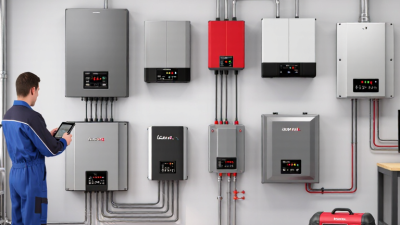
So, China's inverter industry is really picking up steam, mostly because the solar market over there is booming like crazy. According to the IEA PVPS report called Snapshot of Global PV Markets 2024, at least 407 gigawatts of new solar capacity got installed worldwide back in 2023. That's a ton of panels! And of course, with all that solar going up, you need reliable gear to convert the power—so inverters are in high demand, which makes total sense. You know, a three-phase inverter isn't just about flipping DC into AC. It's gotta handle balanced power output, keep the grid connection stable, manage heat, and cope with loads that are constantly shifting. Honestly, that's a lot more than meets the eye. China Top 10 Three Phase Inverter Manufacturers? That's a fair question, but you know, any "top ten" list really hinges on your criteria. Shipment volume, product range, certifications, warranty terms, even local service – all of those can shift the rankings around. The IEA PVPS figure is more about the broader solar market, not a ranking of inverter suppliers. So bottom line: buyers need to compare datasheets and test conditions carefully. And small details can trip you up – like the operating temperature range if you're dealing with a hot equipment room. So, there's this power-electronics expert named Frede Blaabjerg, and in one of his IEEE papers, he basically calls power electronics “the key technology for renewable energy systems.” That kinda sets the stage for why inverter design is such a big deal as we ramp up renewable generation. But here's the thing—no single brand is a one-size-fits-all solution. When you're putting together a solid shortlist, you really need to weigh things like rated power, efficiency, grid-support capabilities, monitoring features, and how good their after-sales support is. Sure, specs might look great on paper, but real-world performance can be a whole different story, you know? So when you're checking out the comparison below, don't take whatever the manufacturers claim as the final word—it's more of a starting point, really. You've got to separate the hard data that's actually been verified from all the marketing fluff they sprinkle on top.
Read more »
Sophia By:Sophia - November 4, 2026
What Is the Best Solar Pump Inverter in China?

What Is the Best Solar Pump Inverter in China?

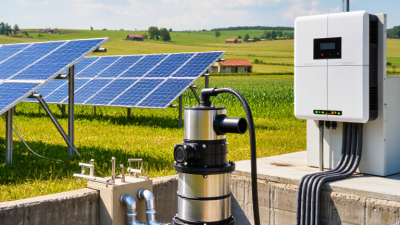
Picking the right solar pump inverter in China is trickier than you'd think. It's not just about what the box says – you've got to look at your actual water setup. Like, a pump that works great for a flat farm might totally choke if you've got a deep well, extra-long cables, or if the sun's playing hide-and-seek behind clouds a lot. When you're comparing options, you gotta start with the nitty-gritty: pump power, motor type, voltage, daily water use, and how much sun the site actually gets. Even tiny mismatches can throw things off. So, if you're looking at Chinese suppliers, this guide's got your back. It's all about the specs you can actually verify—like MPPT performance, how it starts up, dry-run protection, overload response, enclosure rating, and making sure it matches the pump you have in mind. Then there's the warranty, manuals, spare parts, and how responsive their technical support is. But here's the thing: don't just take their word on efficiency. Ask for test records and written limits, because vague claims don't really hold up. So, before you commit to buying, it's a good idea to double-check that the protections they list are actually built into the model you're eyeing. Look, field conditions are all over the place. A pump might run like a dream in the showroom, but once you install it – throw in heat, dust, and sunlight shifting throughout the day – and suddenly it's a completely different story. There's no single brand that's the best for every project, you know? So when you're putting together a shortlist, you've got to compare units at similar power ratings, and make sure to confirm the details with the manufacturer or the installer. And honestly, some information might still be missing – that's fine, just note it instead of trying to hide it. In the sections ahead, we're going to keep things real. We'll show you a practical way to compare your options and zero in on a solar pump inverter that matches your water needs, your budget, and honestly, how much maintenance you're actually willing to handle.
Read more »
Sophia By:Sophia - October 30, 2026
2026 Best Solar PV Inverter for Global Buyers?

2026 Best Solar PV Inverter for Global Buyers?

Picking the best solar PV inverter for 2026 isn't just about staring at efficiency numbers. Honestly, a good inverter has to survive real-world stuff—extreme heat, dust, wobbly grids, and all kinds of installation quirks. Plus, you want it to handle maximum power point tracking properly, work with batteries, let you monitor it remotely, and not be a total nightmare to maintain. And let's be real: no ranking is perfect. Alright, so this guide isn't just some list of specs—it actually digs into the top players in the solar game, like SMA, Huawei Digital Power, Sungrow, Fronius, and SolarEdge. We're looking at the stuff that really matters: efficiency, how they handle startup, cooling design, safety, warranty, software, and whether you'll still get support years down the road. Sure, a 98% efficiency rating sounds amazing, but let's be real—that number doesn't always tell you how it performs on a blazing 45°C afternoon or when the grid keeps tripping. Real-world projects? They're a lot messier than the marketing brochures suggest. So, Francesco La Camera—he’s the Director-General of the International Renewable Energy Agency—put it pretty simply: “Renewables are the backbone of the energy transition.” And honestly, that observation gets at something bigger. The quality of your inverters doesn’t just impact energy yield. It can make or break grid stability, mess with asset value, and even shake the confidence of installers and investors. That’s a pretty big deal, right? If you’re sourcing these from another country, don’t just compare specs — dig into local certifications, communication protocols, whether spare parts are actually available, and how well installers are trained. That cheap upfront price can bite you later when you’re waiting weeks for a replacement part. And honestly, field experience counts for a lot. Spec sheets won’t tell you how noisy the fan is in real life, how flaky the firmware can get, or whether support actually picks up the phone. So here’s the thing—this isn’t just another list of specs. We’re looking at a practical, evidence-based way to figure out which solar inverter actually makes sense in 2026. And honestly, the best pick might not be the most powerful one out there. Sometimes it’s the quieter model that just does its job safely, steadily, and without fuss for years that turns out to be the real winner.
Read more »
Isabella By:Isabella - October 27, 2026
China Top 10 Off Grid Inverter Manufacturers?

China Top 10 Off Grid Inverter Manufacturers?

China’s Off Grid Inverter industry is used in all sorts of places—homes, farms, telecom sites, and remote workshops. In this guide, we’re taking a look at ten Chinese manufacturers worth noting, plus the tech behind their products. The goal? Focus on how these things actually perform in the real world, not just the usual marketing talk. When picking an inverter, there are a few things worth looking at: efficiency, surge capacity, battery compatibility, monitoring tools, warranty terms, and after-sales support. We also check whether manufacturers actually publish clear specs and back them up with credible testing info. And then there's the brand landscape—companies like Sungrow, Huawei, Growatt, Sineng Electric, MUST, SRNE, and MPP Solar all sit in different spots in the market. Some are mainly focused on residential systems, while others go after commercial or more specialized applications. Product availability? Yeah, it can vary by region. Real-world installs, though, tend to reveal the details that actually matter. A solid inverter has to start pumps, handle motor loads, and stay steady when the sun isn't charging much. In dusty rooms, heat management is a big deal. So is clear fault reporting. And those little differences? They can add up over years of operation. Of course, a ranking is never permanent. Models change, prices move, and local service quality can vary quite a bit. That's a weak spot worth paying attention to. So this overview is really about comparing manufacturers on things you can actually verify—specs, real-world stuff that matters in the field, and documented support policies. Before you buy, though, it's worth double-checking certifications, grid requirements, battery communication protocols, and what your installer recommends. Truth is, no single brand is going to be the perfect fit for every project. What ends up being a reliable choice depends on your load behavior, climate, battery chemistry, and how easy maintenance will be. Those details are what make this comparison more useful than just some popularity list.
Read more »
Isabella By:Isabella - October 24, 2026
10 Solar Panel Buying Tips for Global Buyers

10 Solar Panel Buying Tips for Global Buyers

Choosing a Solar Panel for a global project requires more than comparing wattage and online prices. Climate, roof design, grid standards, and local service can change the right decision. A panel that performs well in a dry climate may lose efficiency in humid, dusty, or snowy conditions. This guide presents ten practical buying tips for international buyers. It examines power output, temperature performance, product warranties, degradation rates, certifications, and installer experience. Buyers should also check inverter compatibility, shipping protection, spare parts, and after-sales support before signing a contract. A clear datasheet matters. So does the supplier’s track record. Small details often decide long-term value. Ask how the panel was tested, where replacement units are stored, and whether warranty claims can be handled across borders. Compare the full project cost, including freight, taxes, mounting hardware, labor, monitoring, and maintenance. The cheapest quotation may not remain the cheapest after installation. No single panel suits every market. That is easy to forget. Early assumptions can fail when roof orientation, shade, or local weather is ignored. Reliable buyers verify performance claims through independent documentation and realistic production estimates. They also review contract language carefully, especially delivery dates and warranty responsibilities. With disciplined research and practical questions, global buyers can reduce avoidable risks and select solar equipment that supports dependable energy production for many years.
Read more »
Sophia By:Sophia - October 20, 2026
China Top Solar Battery Generator Suppliers for Global Buyers

China Top Solar Battery Generator Suppliers for Global Buyers

Global demand for reliable off-grid power is really reshaping the portable energy market. These days, the Solar Battery Generator isn’t just for camping—it’s being used for emergency backup, outdoor jobs, telecom sites, and even small commercial setups. And the numbers back that up: according to the IEA’s Renewables 2024 report, global renewable capacity additions hit almost 510 gigawatts in 2023. Solar made up nearly three-quarters of that growth. That kind of surge puts a lot more pressure on suppliers to offer safer, more efficient storage products—and to actually support them after the sale. China is still a huge manufacturing hub for solar modules, lithium batteries, power electronics, and portable energy systems. The IEA’s Solar PV Global Supply Chains report points out China’s dominant role across several PV manufacturing stages. Brands like EcoFlow, BLUETTI, Jackery, ALLPOWERS, and Zendure have built products for international buyers. But let’s be honest: a big brand name alone doesn’t prove a supplier is reliable. Buyers should dig into battery chemistry, usable capacity, inverter output, charging speed, thermal protection, and warranty terms. Independent testing and traceable certification matter way more than flashy packaging. Data matters, too. The IEA’s Batteries and Secure Energy Transitions report shows battery demand rising fast across mobility and stationary storage. Still, advertised capacity doesn’t always match real-world output. Temperature, conversion losses, and battery aging can all chip away at performance. Field conditions are messy, after all. This guide compares China Top Solar Battery Generator Suppliers for Global Buyers through a practical E-E-A-T lens. It looks at manufacturing experience, technical documentation, safety certifications, after-sales support, and export readiness. No supplier is perfect. Some published specs need closer checking, too. Before placing large orders, buyers should ask for current test reports, IEC or equivalent compliance evidence, UN 38.3 transport docs, and realistic cycle-life data.
Read more »
Ethan By:Ethan - October 15, 2026
Top 10 Off Grid Inverter Brands for Global Buyers in 2026?

Top 10 Off Grid Inverter Brands for Global Buyers in 2026?

So, the global push for more resilient electricity is quietly reshaping the Off Grid Inverter market. According to the International Energy Agency, about 685 million people still didn’t have electricity access back in 2022. That’s a huge number. Many of them live far from any reliable grid. These days, solar panels, batteries, and smart inverters often come together as practical power systems for homes, farms, clinics, and remote businesses. Then there’s the growth side: IRENA recorded 585 gigawatts of new renewable capacity in 2024. That kind of expansion means we need gear that can handle unstable generation and shifting battery loads. An Off Grid Inverter isn’t just converting DC into usable electricity. It also has to balance voltage, protect batteries, support backup generators, and keep working in heat, dust, and weak-network conditions. SMA Solar Technology founder Günther Cramer once said, “The energy transition is not a question of technology, but of political will.” That still rings true. Hardware matters, sure—but so do installation quality and long-term service. This Top 10 Off Grid Inverter Brands for Global Buyers in 2026 guide looks at manufacturers like Victron Energy, SMA Solar Technology, Schneider Electric, Growatt, and OutBack Power. It compares efficiency, surge capacity, monitoring tools, warranty support, battery compatibility, and regional availability. Data from the IEA, IRENA, and World Bank helps frame the broader market context. Product specs come from manufacturer docs and field-oriented evaluation. And no ranking is perfect—not this one, not anyone else’s. A powerful inverter can still fail in a poorly designed system. A cheaper model might end up costing more after repeated maintenance. So buyers should question every shortlist, including this one.
Read more »
Isabella By:Isabella - October 12, 2026
2026 Best Hybrid Inverter Types for Global Buyers?

2026 Best Hybrid Inverter Types for Global Buyers?

So, choosing the right Hybrid Inverter in 2026? It’s not just about who has the flashiest efficiency number. For buyers working across global markets, the real questions start with battery chemistry, grid conditions, solar capacity, and how installers actually do things on the ground. A small home setup might be happiest with an all-in-one inverter, while a commercial site could need modular three-phase gear. If you already have solar panels, AC-coupled designs can be a smart upgrade. DC-coupled systems, on the other hand, often cut conversion losses while charging batteries. This guide walks through the main hybrid inverter types that are likely to shape international purchasing decisions. It looks at off-grid, grid-tied, and grid-forming models through practical selection points—things like surge capacity, backup switching time, monitoring features, thermal performance, and warranty support. Certification rules vary from market to market, too. So before placing orders, buyers should check the paperwork with qualified installers and recognized testing bodies. And honestly? There’s no universal “best” model. Worth keeping that in mind. A high efficiency rating can look great on paper, but if low-temperature performance is poor, real-world value drops. A cheaper unit might also become a headache if software support is limited and replacement parts get hard to find. A solid evaluation should include load testing, battery communication checks, and a look at service response records. Data sheets can leave things out, and marketing claims sometimes smooth over tough conditions. That’s why this article treats specs as a starting point, not final proof. It also weighs supplier experience, spare-part access, and long-term system compatibility. Those details tend to matter a lot when a remote project is dealing with heat, dust, unstable voltage, or shipping delays.
Read more »
Ethan By:Ethan - October 9, 2026
Why Choose Solar Panels for Global Buyers?

Why Choose Solar Panels for Global Buyers?

Picking out a solar panel system isn’t just about helping the environment anymore. For folks around the world, it’s more like a practical choice—thinking about energy costs, reliability, how the climate plays into it, and what kind of long-term value you’re really getting. A good system that’s properly designed can help you cut down on relying on unpredictable grid prices. Plus, it’s a real game-changer for farms, warehouses, homes, or remote businesses where reliable electricity isn’t always a given. But here’s the thing—how well your panels perform isn’t just about how much sunlight they see. Things like roof direction, temperature swings, dust, shading, local rules, and how well everything’s installed all come into play. A panel that works like a champ in California might need a totally different setup if you’re in Kenya or Norway. Details really do matter. When shopping around, it’s smart to compare efficiency ratings, temperature coefficients, warranties, and what kind of degradation you can expect over time. Make sure to check certifications and pick installers who have a solid track record. A cheap price can sometimes turn into a real headache down the line if replacement parts or support aren’t available—something lots of people forget to think about. Abigail Ross Hopper, who’s the President and CEO of the Solar Energy Industries Association, once said, “Solar is one of the fastest-growing sources of energy in the world.” It’s true that the market is booming, but just because it’s growing doesn’t mean you’re automatically making a smart choice. Let’s be real—no solar panel is perfect. Even top-of-the-line equipment can be affected by cloudy days, dirt buildup, aging, or a few bugs. When you’re making a decision, don’t just buy into impressive marketing stories—look at real-world production estimates. Independent reviews, transparent company info, and clear policies on after-sales support can really make a difference. And keep in mind, there’s always some level of uncertainty—conditions can change, and your savings might not match your expectations. The best option? It’s a mix of proven technology, expert design, responsible suppliers, and realistic expectations. Solar energy has huge potential to make a difference, but doing your homework is key to making a good investment and truly benefiting from it.
Read more »
Ethan By:Ethan - October 4, 2026
Top Domestic Solar Battery Manufacturers for Global Buyers

Top Domestic Solar Battery Manufacturers for Global Buyers

Choosing a reliable domestic solar battery manufacturer isn’t just about comparing advertised capacity — there’s a lot more to think about. For buyers around the world, it’s really important to look into things like the chemistry of the cells, how consistently they’re produced, warranty details, and their experience in exporting. All these factors can impact safety, how long it takes to install, and your long-term savings on energy. Big names in China like BYD, CATL, EVE Energy, Gotion High-Tech, and Pylontech each serve different market needs. Some are geared towards large-scale commercial storage solutions, while others make modular batteries suitable for homes or small businesses. Many of these products use lithium iron phosphate chemistry, which is known for good thermal stability and a long cycle life. But, here’s the thing — quality can vary a lot depending on the model, the factory, or even the regional distributor, so don’t just assume a brand is always top-notch. When you’re shopping, pay close attention to the usable capacity, continuous power output, the battery management system, and all the safety features. It’s also smart to ask if they can provide test reports, support with firmware updates, spare parts, and clear warranty processes. An experienced installer can help double-check whether the battery’s compatible with your inverter and local grid conditions — doing this early on can save you from some costly surprises down the line. Honestly, the real proof is in the actual projects; brochures and marketing stuff only tell part of the story. Make sure to ask for recent references, production audits, and shipment records. But keep in mind — just because a manufacturer was highly rated last year doesn’t mean it will stay that way. Suppliers can change their partners, pricing, or export policies pretty quickly, so it’s worth staying updated. Certifications like UN 38.3, IEC standards, and regional compliance docs can boost your confidence, but don’t rely solely on them — it’s always wise to verify independently. This guide walks through some of the top domestic solar battery manufacturers based on practical buyer-friendly criteria. We look at their technology, reliability, service support, and international reach. No one’s perfect, of course, so taking the time to do your homework before signing any contracts or planning a big setup is really crucial.
Read more »
Sophia By:Sophia - October 1, 2026
7 Best Solar Tubular Batteries for Home Use

7 Best Solar Tubular Batteries for Home Use

You know, during noon, solar panels can produce way more electricity than a typical home needs. That extra juice can be stored in a battery—perfect for evening lights, fans, and those essential appliances. If your home faces power outages or you're in an area with weak grid supply, picking the right battery can really make a difference—and save you a lot of hassle. According to the International Energy Agency’s Renewables 2024 report, global capacity for renewables added up to nearly 510 gigawatts in 2023. Pretty impressive, right? Most of that—about three-quarters—came from solar PV. Now, keep in mind, that's about new solar capacity, not specifically battery sales. Still, it shows why having reliable home storage options is becoming more and more important. One option you might come across is a Solar Tubular Battery, especially if you’re into tried-and-true lead-acid tech and want something readily available. Just a heads-up though—these batteries tend to be pretty heavy, and they often need good ventilation plus some regular maintenance. Honestly, there’s no one perfect choice out there. In this guide, I’ll compare seven different home battery models, focusing on things you can easily check yourself—like capacity ratings, how many cycles they claim to last, warranty details, charging compatibility, and how easy it is to get service. Make sure to verify if the capacity’s rated at C20, and ask how it performs with deeper discharges. Also, don’t forget to read the manufacturer’s instructions about ventilation, watering, and temperature requirements since those can vary quite a bit. Sure, a battery might look affordable at first glance, but don’t forget to think about future replacement costs. Some listings also mention test conditions, which is good to know—just take a closer look to be sure. Use this comparison as a starting point, and then pick a battery that fits your daily power needs and local support options. It’s all about finding the right balance for your home.
Read more »
Sophia By:Sophia - September 26, 2026
Top 10 Hybrid Solar Battery Manufacturers Worldwide?

Top 10 Hybrid Solar Battery Manufacturers Worldwide?

Hybrid solar battery systems are really starting to move beyond just niche setups and are becoming a pretty common part of mainstream energy planning. Basically, they combine solar panels, battery storage, and smart power management into one package. This combo can help cut down reliance on the grid, especially during those evening rush hours when everyone’s still pumping energy into their homes. Plus, they boost resilience — like, when the sun goes down, you’re still good to go. According to the International Energy Agency, global renewable capacity got a big boost in 2023 — adding nearly 510 gigawatts, with about three-quarters of that coming from solar panels. Their latest Batteries and Secure Energy Transitions report also highlights that battery deployment needs to speed up A LOT within this decade. On top of that, BloombergNEF keeps showing that lithium-ion battery pack prices are dropping—though, of course, prices can still differ quite a bit depending on where you are and what chemistry you’re talking about. That’s why companies making hybrid solar batteries aren’t just competing on cell capacity anymore. Factors like safety track record, inverter compatibility, clear warranties, quality software, and good after-sales support are just as important. Fatih Birol, the head of the IEA, famously said, “Batteries are a key technology for the clean energy transition.” Honestly, that really captures how vital storage is to the whole system — it’s not just about having hardware but about creating a reliable, efficient system. We’ve looked into ten top manufacturers worldwide, including Tesla, BYD, Sungrow, Huawei, and Enphase. We considered things like how big they can scale, their residential and commercial projects, battery chemistry types, efficiency, certifications, and how reliable they’ve proven to be in real-world use. But, you know, what works well in a lab doesn’t always translate perfectly in real life. Just because a battery has more capacity doesn’t necessarily mean it performs better at home. Sometimes, the installer’s support and service matter even more than a shiny product specs sheet. Plus, comparing these brands isn’t straightforward, since they all report different data. So, always double-check warranties, local grid rules, and recycle policies before you buy. The biggest or the most capacity doesn’t automatically mean it’s the best choice. The real winner is the system that is safe, dependable, and transparent when used daily — that’s what counts most in the end.
Read more »
Isabella By:Isabella - September 22, 2026
How to Choose a Hybrid Solar Battery in 2026?

How to Choose a Hybrid Solar Battery in 2026?

Picking a hybrid solar battery in 2026 isn't just about looking at storage capacity or the price tag. You really need a system that lines up well with your solar setup, inverter, household energy needs, and backup plans. And honestly, in real-world installations, it’s often those small details that count the most. For example, a battery might advertise 10 kWh of capacity, but after adjusting for reserve settings and efficiency losses, you're probably only getting around 8 kWh to use. That little difference really shows up late at night when you need it most. Energy storage guru Dr. Imre Gyuk once said, ‘Energy storage is the key to enabling the next generation of energy systems,’ and honestly, that still hits home today, especially as more homes combine rooftop solar, electric vehicles, heat pumps, and backup power. When you're looking at a hybrid solar battery, it’s smart to check things like how much of the capacity is actually usable, the overall round-trip efficiency, cycle life, operating temps, and warranty details. Lithium iron phosphate batteries are often a solid pick because they stay stable in heat and last a long time. But let’s be real—just because they’re popular doesn’t mean they’re the best fit for every single home. And don’t forget to look beyond just the battery. Make sure your inverter supports a smooth backup switch, handles generator connection, and can grow with your needs down the road. Check its continuous output—don’t just go for the power boost during a quick spike. A big capacity battery can seem impressive, but if it can’t handle your well pump or AC, it’s kind of pointless. Want to be sure? Ask your installer to run a model of your evening energy load based on your actual bills—guesswork might save some money upfront, but it rarely pays off long-term. And honestly, admitting that bigger isn’t always better can be a tough pill to swallow. Oversizing might cost more without giving you much extra benefit, while undersizing could mean you’re always plugging back into the grid. The perfect solar hybrid battery should really match your habits, local climate, roof solar production, and your resilience goals. After installation, keep an eye on the monitoring data—sometimes real-world performance throws a curveball compared to those initial plans, and paying attention to that feedback is key. In the end, it’s all about making a choice that suits your lifestyle—and not just chasing the biggest or cheapest option out there.
Read more »
Sophia By:Sophia - September 18, 2026
2026 Best Off Grid Inverter for Solar Systems?

2026 Best Off Grid Inverter for Solar Systems?

Picking out the best Off Grid Inverter for 2026 isn’t just about grabbing the one with the highest wattage listed. Honestly, it’s more about matching your equipment to what you really need day-to-day, considering your battery chemistry, the climate you’re in, and how much maintenance you’re willing to do. Let’s be real — a remote cabin might need to power a fridge, a well pump, a Wi-Fi router, and some workshop tools. Each of those things draws a different kind of surge when they start up. So, your system needs to handle those spikes without failing or wasting your stored energy. Hugh Piggott, who’s pretty much an expert on off-grid renewable energy, always stresses a simple but solid rule: “Keep it simple, and make it repairable.” And honestly, that advice still applies when you’re checking out modern inverter options. Sure, fancy monitoring features are nice, but all those complex settings can become a headache—especially if your power goes out in winter and you’re trying to troubleshoot. A good Off Grid Inverter should give you clean sine wave power, charge batteries efficiently, sip power when idle, and show clear fault messages. It should also play nicely with your solar controllers, generators, and different types of batteries—be they lithium or lead-acid. In this guide, we’re going to look at some of the top models for 2026, but we’re focusing on real-world use, not just marketing talk. We’ll consider things like how much continuous power they can deliver, surge capacity, how fast they transfer power, compatibility with different battery voltages, how they handle heat, warranty options, and how easy they are to install. And real-life experience counts — what works great in a controlled lab might not hold up in a dusty shed at 40°C. That part’s easy to overlook. Same with how easy it is to get to the service ports or swap out parts. There’s no one-size-fits-all inverter that beats everything. A small, modest system can actually punish a big, oversized inverter with unnecessary energy losses when it’s just sitting idle. On the flip side, an undersized model might trip when that well pump kicks on. The truth is, the perfect inverter isn’t usually the most powerful or the fancy one. It’s the one that stays dependable, isn’t overly complicated, and is pretty straightforward to fix, even once the initial excitement of setting everything up wears off.
Read more »
Isabella By:Isabella - September 13, 2026